COP31, the United Nations’ annual climate change summit, ended on Sunday without consensus on an overarching climate deal after about two days of overtime in Antalya, Türkiye.
asserted
COP31 → end → Antalya
The annual conference brings together delegates to shape and formalize an approach to combating the effects of global warming.
asserted
conference → bring → warming
This year, the main dispute was whether the agreement should explicitly call for a transition away from fossil fuels.
asserted
agreement → call → fuels
Among the countries that opposed language calling for a transition away from fossil fuels were Russia and Saudi Arabia, while the European Union, the United Kingdom, and others refused to agree to any deals that did not acknowledge the leading cause of climate change.
asserted
that → oppose → change
COP31’s President Murat Kurum announced on Sunday that a deal had not been reached.
asserted
deal → announce → Sunday
“It is clear that there are parties in this hall who oppose this text.
asserted
who → be → text
We recognize that there is no consensus on this document.
asserted
We → recognize → document
Therefore, these decisions have not been adopted,” he said.
asserted
he → adopt → ?
Australia’s Climate Change and Energy Minister Chris Bowen was a co-leader at the event, acting as President of Negotiations.
asserted
Bowen → act → Negotiations
“Unfortunately we were unable to reach agreement on a cover decision and that’s very disappointing,” he said Sunday.
asserted
he → reach → decision
Failure to reach an agreement is not unheard of, but it is uncommon; the last comparable deadlock was in Copenhagen in 2009.
asserted
deadlock → reach → 2009
At the time, an irreconcilable clash emerged over which countries should cut greenhouse gas emissions, how deep those cuts should be, and whether the commitments should be legally binding.
asserted
commitments → emerge → emissions
“Despite the range of expectations among states going into COP31, no delegation left believing it had been a win,” says Lavanya Rajamani, a professor of international environmental law at the University of Oxford who helped draft the Paris Agreement.
asserted
who → go → Agreement
For Rajamani, the impasse shows how far apart the science and the politics of climate action have become.
asserted
science → show → action
“While such divergences are not new to the process, the gap has never been wider,” she says.
asserted
she → say → process
The world is on track to imminently exceed 1.5°C of warming, Rajamani adds, just as governments are showing a “rapidly dwindling appetite” for difficult and potentially costly action.
asserted
governments → exceed → action
That puts growing strain on a summit built around consensus.
asserted
That → put → consensus
The U.N. climate summit originated in Berlin in 1995.
asserted
summit → originate → 1995
The host location typically rotates, with recent summits taking place in Dubai, United Arab Emirates (2023); Baku, Azerbaijan (2024); and Belém, Brazil (2025).
asserted
summits → rotate → Dubai
COP31 was scheduled for Nov. 9 through Nov. 20 in Antalya, but reached a record-setting overtime that kept the summit in progress through Nov. 22.
asserted
that → schedule → Nov.
Most countries sent delegations to COP31.
asserted
countries → send → COP31
Israel’s environment ministry said its officials would participate remotely, citing security concerns about sending a delegation to Antalya.
asserted
officials → say → Antalya
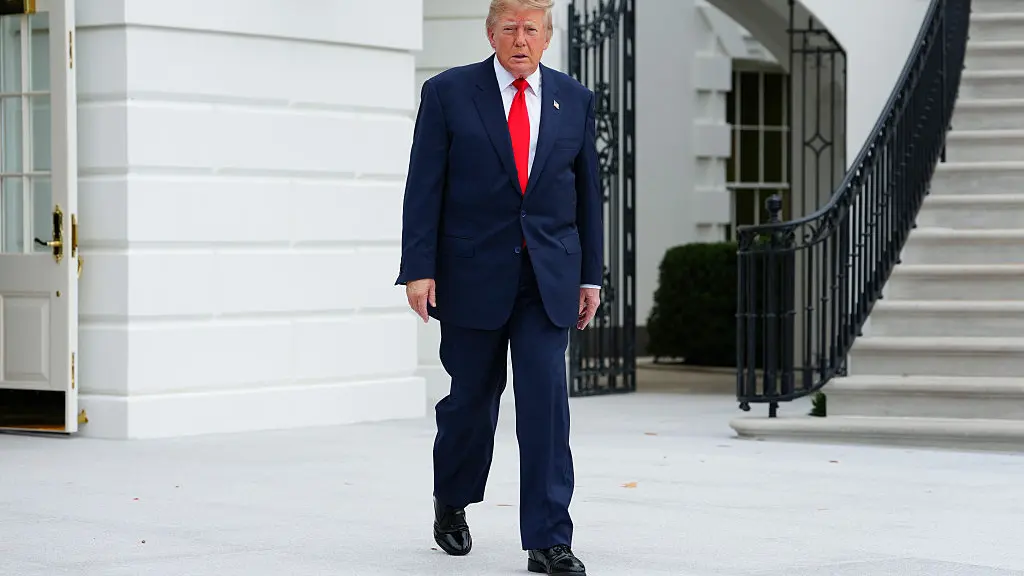
The United States did not send an official delegation for the second year in a row.
asserted
States → send → row
In January, it withdrew from the Paris Agreement.
asserted
it → withdraw → Agreement
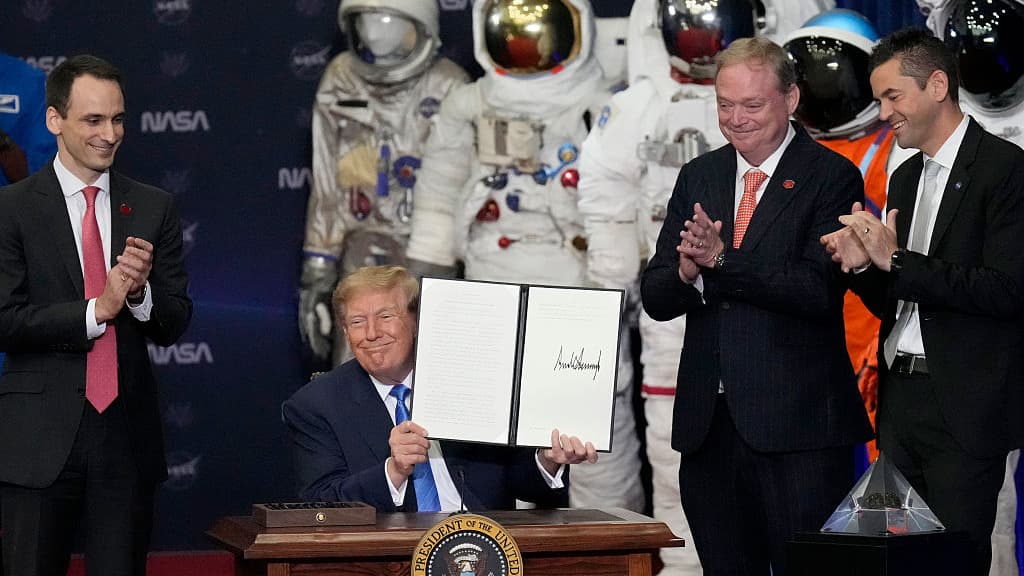
As COP31 was preparing to open in early November, a White House official told Spectrum News that the summit “rejects reality” and said the Trump Administration was pursuing an “energy dominance agenda.”
asserted
Administration → prepare → agenda
In Antalya, the countries at the table faced a different question: how to turn years of climate pledges into action.
asserted
countries → face → action
“Over the past few years, international climate negotiations have shifted from a focus on establishing rules and making promises to ensuring implementation and delivery.
asserted
negotiations → shift → implementation
This phase was always going to be challenging—it is where the rubber hits the road,” Rajamani says.
asserted
Rajamani → go → road
Broad language can smooth over disagreements, she continues, but it gets harder to find common ground when countries have to decide what to do and who will pay for it.
asserted
who → smooth → it
Why did the COP31 climate talks break down?
asserted
talks → break → ?
One of the biggest disputes at COP31 was whether the agreement should explicitly call for a shift away from fossil fuels.
asserted
agreement → call → fuels
A draft released early Sunday would have been the first U.N. climate summit agreement to acknowledge that global warming is on track to exceed 1.5°C above preindustrial levels in the coming years.
asserted
warming → release → years
It also welcomed faster development of technologies that remove carbon dioxide from the atmosphere, with the aim of eventually bringing warming back below that threshold.
asserted
that → welcome → threshold
The draft referred back to the 2023 Dubai agreement as a whole, without explicitly restating its call to transition away from fossil fuels.
Burning coal, oil, and gas is the main cause of global warming, according to the United Nations, accounting for around 68% of global greenhouse gas emissions and nearly 90% of all carbon dioxide emissions.
uncertain
Burning → refer → emissions
That warming is making heat waves more intense and causing sea levels to rise.
asserted
levels → warm → ?
“The question is not so much what an explicit mention would have accomplished, but what its absence would have implied,” Rajamani explains.
asserted
Rajamani → accomplish → what
“The 2023 UAE consensus recognized the need to transition away from fossil fuels in energy systems—yet subsequent COP decisions have failed to advance, or even reaffirm, this commitment.”
asserted
decisions → recognize → commitment
Meanwhile, the International Court of Justice (ICJ) said in its 2025 advisory opinion on climate change that failure to take appropriate action on fossil fuel production, consumption, exploration licences, and subsidies may constitute an internationally wrongful act, she points out.
uncertain
she → say → act
“The 2026 Santa Marta Initiative on transitioning away from fossil fuels is also gaining momentum,” she adds, referring to an April 2026 conference in Santa Marta, Colombia, where 57 countries gathered to discuss how to move away from fossil fuels.
asserted
countries → transition → fuels
“Against this backdrop, omitting fossil fuels from a COP cover decision would signal a retreat from the transition,” Rajamani says.
asserted
Rajamani → omit → transition
…and 27 more, not listed.

 The Aporia