The Trump administration is facing criticism for its apparent mixed messaging on the widespread tech outages of recent days, including one affecting the Federal Aviation Administration (FAA) that led to a nearly five-hour ground stop of all U.S. flights on Friday.
asserted
that → face → Friday
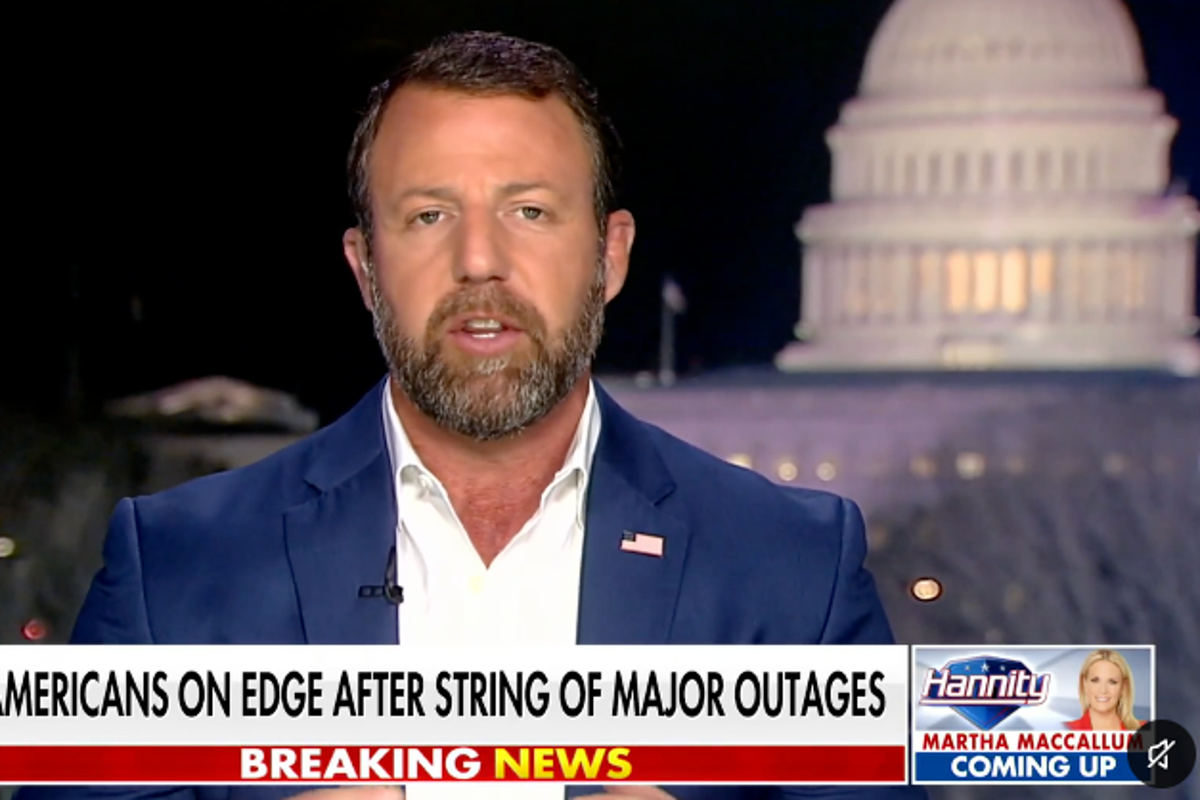
On Monday, DHS Secretary Markwayne Mullin appeared on Fox News’ “Hannity,” where he suggested that AI could have played a role in the FAA outage and others that have occurred in recent days.
uncertain
that → appear → days
He said he consulted an unnamed tech industry expert on the topic and that their explanation “kind of makes sense to me.”
asserted
explanation → say → me
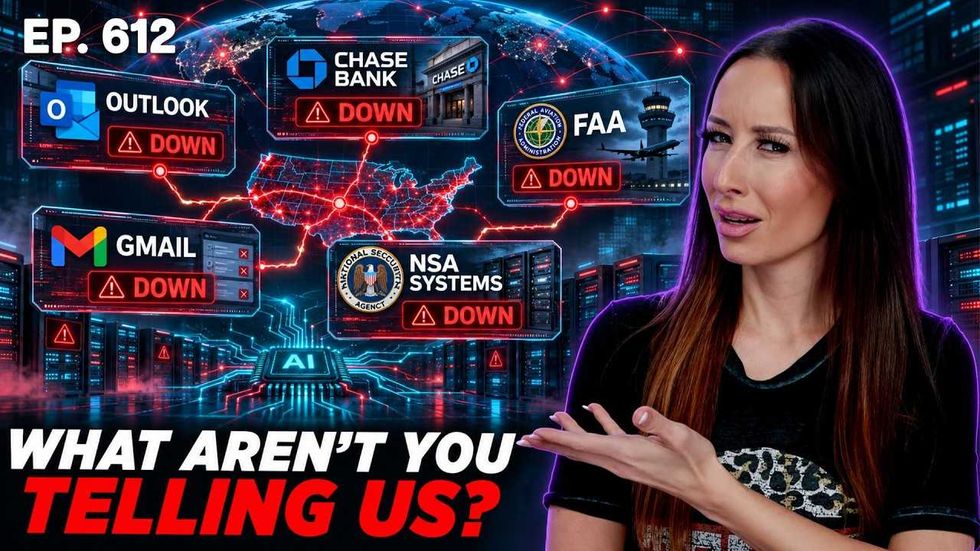
The outages in recent days have affected Microsoft, JPMorgan Chase, the National Security Agency’s classified internal network, and brokerage firm Charles Schwab, among other large organizations.
asserted
outages → affect → organizations
“When we start looking at the cyber world, I start asking CISA [Cybersecurity and Infrastructure Security Agency], ‘hey, what’s going on here?’
asserted
what → start → CISA
And they said, ‘Sir, we’re not seeing any traffic that would make us think that this was a cyberattack, they’re all individually unrelated,'” Mullin explained.
asserted
Mullin → say → traffic
“And so I started talking to the tech industry and one guy that’s very smart with tech, he asked not to mention his name, no it’s not Elon … but I said, ‘What could be causing all these separate outages?’
uncertain
What → start → outages
And he says, I believe that it’s the SI [the Trump administration’s term for Artificial Intelligence].
asserted
it → say → Intelligence
He said because these programs aren’t designed to work as fast as SI is and so when they put in a program that’s able to write code and it goes in and self fixes itself as it starts self fixing itself it’s like doing a change order on a house.
asserted
it → say → house
When you do one thing in a house, everything else starts changing that’s a ripple effect and it causes these systems to be overranned [sic] that weren’t designed to run as fast as the SI technology is today,” he said.
asserted
he → do → house
Mullin said he is “98%” certain that the outages are not related to a “cyberattack.”
asserted
outages → say → cyberattack
“That kind of makes sense to me because I can tell you with 98% certainty we’re not seeing the cyberattack,” he said of his conversation with the anonymous cyber expert.
asserted
he → make → expert
Transportation officials have maintained that the FAA outage was caused by a router issue that occurred during a system update involving a broader effort to modernize an outdated air traffic control system.
asserted
that → maintain → system
But on Tuesday, both FAA Administrator Bryan Bedford and Transportation Secretary Sean Duffy held a news conference where they rejected the AI theory.
asserted
they → hold → theory
Bedford called the claims that AI was involved in the airport outage “completely unfounded.”
uncertain
AI → call → outage
Duffy explained that air traffic’s AI system is merely “predictive” and that it is independent of its other decision-making systems.
asserted
it → explain → systems
“We’ve seen a lot of conversations about AI and how it’s gotten out and affected different parts of other companies, this is predictive analytics,” Duffy said.
asserted
Duffy → see → companies
“We have a tool that will give us predictive analytics on trajectories and on weather.”
asserted
that → have → weather
“We take a feed in, but we don’t feed anything out from this system back into our network.
asserted
we → take → network
If there is any communication from the intelligence that we get from this predictive analytic tool, actually our people in the smart lab will call our command center.
asserted
people → be → center
So, they’re not even connected,” he said, adding, “I’ve heard all of the speculation, but that is not true.”
asserted
that → connect → speculation
Steve Cortes, a former senior adviser to Trump’s 2016 and 2020 presidential campaigns, reacted to the seemingly conflicting statements, urging the administration to embrace a single message.
asserted
Cortes → react → message
“Americans are panicked right now, which is understandable,” Cortes wrote on X.
asserted
Cortes → write → X.
“The only way the Administration is going to ease concerns is by speaking with one voice and laying out the facts.”
asserted
Administration → go → facts
“The White House should lead with consistent public messaging every day until the crisis is put to bed,” he said.
asserted
he → lead → bed
This past week, multiple news outlets reported that new White House Chief of Staff Stephen Miller instructed Mullin to cease television appearances.
asserted
Miller → report → appearances
Friday, President Donald Trump confirmed that he had fired White House National Cyber Director Sean Cairncross.
asserted
he → confirm → Cairncross
In recent days, others who served in Trump world shared their advice for better messaging.
asserted
who → serve → messaging
Former White House Press Secretary Karoline Leavitt on Tuesday expressed “worry” over the situation and encouraged the White House to promote a message of “transparency.”
asserted
Leavitt → express → transparency
“What I would say to the White House is, transparency is key,” she said during a Fox News interview.
asserted
she → say → interview
“It’s going to help the country grapple with what’s going on.”
asserted
what → go → ?
She advised that when President Donald Trump returns from his overseas trip, “there should be a message directly to the American people whether it’s from him or someone at the White House saying what they know and what they believe to be true to really calm the temperature.”
asserted
they → advise → temperature
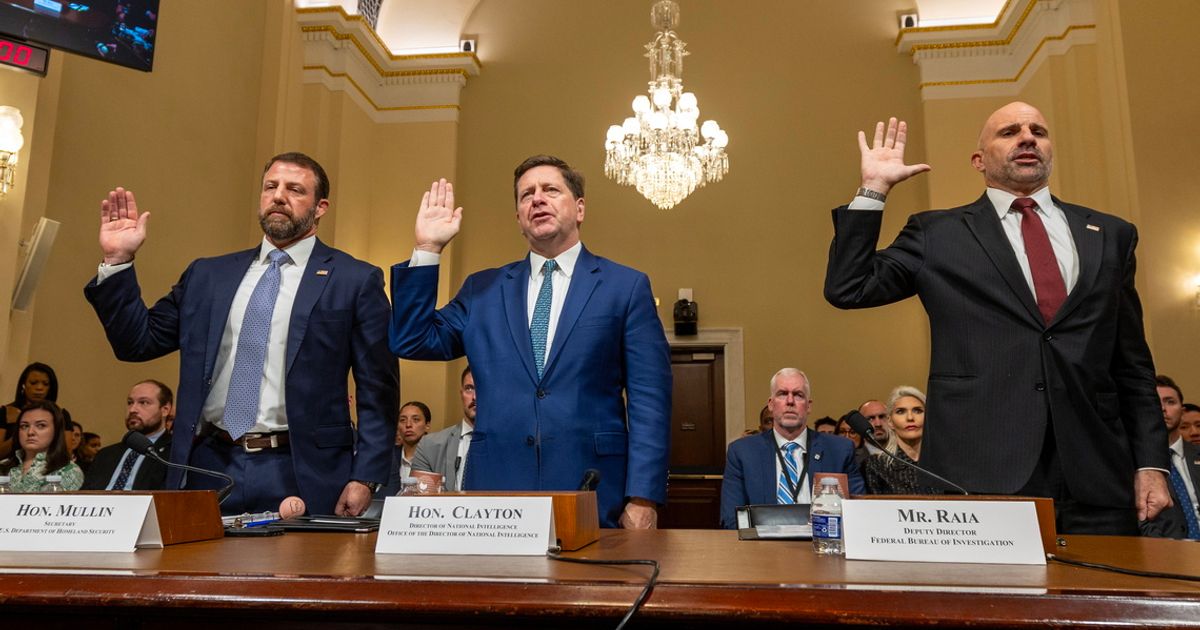
Leavitt later applauded the administration’s move to put Director of National Intelligence Jay Clayton on TV on Tuesday, when he said there is no evidence “of a coordinated attack.”
asserted
he → applaud → attack
“We do not see the indicia of a coordinated cyberattack,” Clayton said.
asserted
Clayton → see → cyberattack
“Let me just be clear about that.
asserted
me → let → that
And we do not see the indicia of state-sponsored activity here.”
asserted
we → see → activity
“We can be fairly confident in that because we know those things exist and we’ve been looking for them in the past.
asserted
we → know → past
Let me tell you what we think this is and we think that it is with confidence,” he said.
asserted
he → let → confidence

 The Aporia