That is 0 articles you have read today.
The Aporia is free and carries no advertising, so readers are the only
thing paying for it. If you are getting this much out of it, a small
donation is what keeps it independent.
You have read 0 articles today.
That is more than the 15 a day The Aporia gives away,
and well past what it can carry on nothing. Your allowance resets at
midnight.
There is no advertising here and nothing about you is sold, so readers
are the only thing paying for it. If the site is worth this much of
your day, it is worth a few dollars.
Everything else stays open: the front page, the
directory and search do
not count against this, and neither does re-opening something you have
already read today.
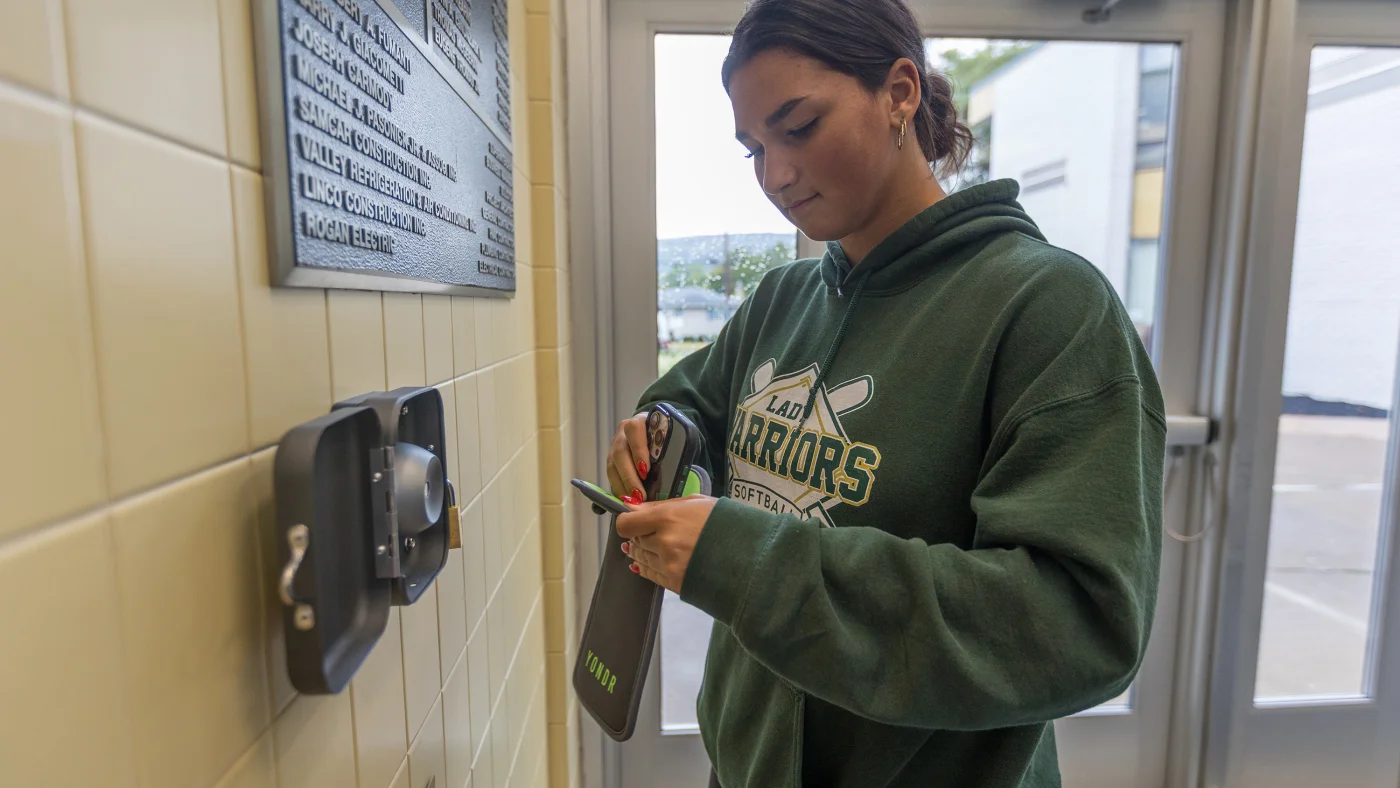
Photo via The Straits Times
US school phone bans are gradually improving test scores, new evidence shows
The Straits Times. (2026, November 21). US school phone bans are gradually improving test scores, new evidence shows. The Straits Times. https://www.straitstimes.com/world/united-states/us-school-phone-bans-are-gradually-improving-test-scores-new-evidence-shows
The Straits Times. “US school phone bans are gradually improving test scores, new evidence shows.” The Straits Times, 21 Nov. 2026, https://www.straitstimes.com/world/united-states/us-school-phone-bans-are-gradually-improving-test-scores-new-evidence-shows.
The Straits Times. “US school phone bans are gradually improving test scores, new evidence shows.” The Straits Times, November 21, 2026. https://www.straitstimes.com/world/united-states/us-school-phone-bans-are-gradually-improving-test-scores-new-evidence-shows.
Dated from the outlet's own feed. Check the original for its byline.
The Straits Times
· collected 2026-11-21 · by The Straits Times
Quick Summary
A new national analysis reveals that school phone bans are modestly improving students' academic performance in the US. Schools implementing strict bans, where students must keep their phones locked up all day, have seen math and reading test scores improve as if students had an additional one to two weeks of schooling annually.
Written by AI on 2026-11-21,
from this article's own text only (the story summary below draws on all the coverage).
A new study by Harvard University's Center for Education Policy Research finds that strict school cellphone bans, which require students to lock their phones in pouches during the entire school day, result in modest academic gains. Analyzing test scores from 3.3 million students at 4,600 schools between 2021 and 2026, the study shows these bans improve math and reading scores by the equivalent of 1-2 weeks of additional learning per year. The research indicates that such bans could help reverse roughly half of the annual learning losses observed since 2013. However, the study also notes that while these gains are statistically significant, they are small and may not be substantial enough to close the achievement gap entirely.
Written for “School Phone Bans Improve Test Scores” on 2026-11-22,
grounded in this article and the 5 other(s) covering the same event.
How they differ
6 outlets covered “School Phone Bans Improve Test Scores”.
What each outlet says
One AI summary per outlet of its latest article on this story, written from that article alone and checked against it. Open the article for the outlet's own words.
The Straits TimesThis outlet21 Nov
A new national analysis reveals that school phone bans are modestly improving students' academic performance in the US. Schools implementing strict bans, where students must keep their phones locked up all day, have seen math and reading test scores improve as if students had an additional one to two weeks of schooling annually.
US school phone bans are gradually improving test scores, new evidence shows (this article)NPR17 Nov

A new study suggests that strict cellphone bans in schools may help improve students' reading and math achievement, reversing some of the learning losses observed since around 2013. Researchers from Harvard University and Dartmouth College analyzed test scores of over 3 million students across the country before and after schools implemented locked pouches to store phones during school hours. The study found that…
A study by Harvard’s Center for Education Policy Research found that strict cellphone restrictions in US schools lead to small academic improvements, equivalent to about an additional week or two of learning over a school year. Analyzing test scores of 3.3 million students across 4,600 schools, the researchers concluded that while the gains are modest, they could accumulate over time. The study suggests that phone…
A new study from Harvard University’s Center for Education Policy Research shows that strict school cellphone bans are leading to modest academic improvements. The study, conducted between 2021 and 2026, found that students at schools with stringent phone restrictions made the equivalent of an additional one to two weeks of learning per year. Researchers compared test scores of approximately 3.3 million students…
A study from Harvard University indicates that banning cellphones in schools can enhance academic performance. Co-author Tom Kane discusses the findings, which suggest positive impacts on learning outcomes when students are not permitted to use their cellphones during school hours.
A Harvard study reveals that school cellphone bans may boost student academic performance, with gains equivalent to one to two extra weeks of learning per year. The research, conducted between 2021 and 2026, tracked 3.3 million students across 4,600 US schools, finding that strict bans, such as requiring phones to be locked away all day, led to the most significant improvements in math and reading scores. New York…
“While both articles discuss the same study on cellphone bans in schools and their impact on academic performance, they are written at different times and provide slightly different focuses and details about the study's findings.”
“While both articles discuss the positive effects of banning phones in schools, they describe different aspects and findings of the broader topic rather than the same specific event.”
Annual inflation hit 11% in October and prices are expected to rise further this year, economists say, leaving many Ukrainians feeling the pinch and less able to spend on eating out.
While no one obtained everything they might have desired, everyone can find a place for themselves within this text—that is the very essence of consensus.
At least 14 people missing after Russian drone hit building in Kyiv region, Zelenskiy says
KYIV, Nov 22 - At least 14 people may still be trapped under the rubble of a residential building that was struck by a Russian drone on Sunday morning in Ukraine's Kyiv region, President Volodymyr Zelenskiy said.
Ferguson said at a news conference that the ICE agents may have broken a state law limiting facial coverings for law enforcement, and that he was looking into how they accessed the jet bridge.
TEHRAN - Iran will impose rolling power cuts from Nov 22 as damage to key infrastructure during the Middle East war deepens an already severe energy crunch, state media reported.
Party strategists anticipate that the field of 2028 aspirants could be far wider than what was expected at the start of the administration, when Trump joked about seeking a constitutionally-barred third term.
US school phone bans are gradually improving test scores, new evidence shows
Claire Miller
AI generated
School cellphone bans are beginning to modestly improve students’ academic performance, according to the first large national analysis that compared students’ test scores before and after the bans.
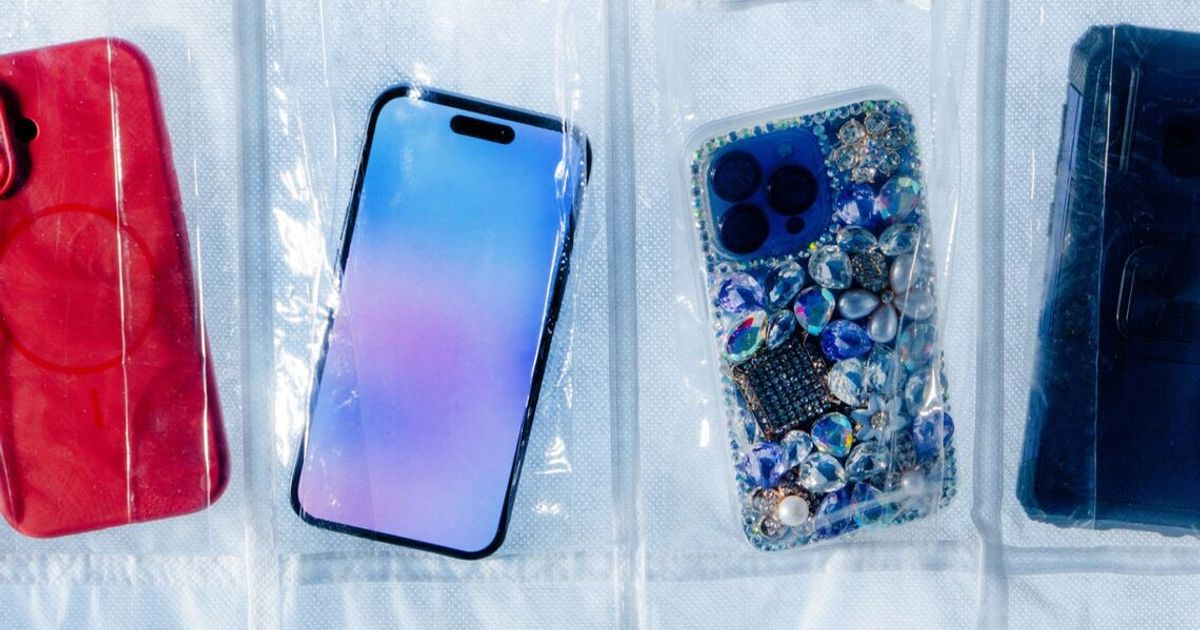
Schools with strict bans – requiring students to lock their phones in pouches all school day – saw maths and reading scores improve as if students had an additional week or two of school a year, the study found.
uncertain
study → improve → school
Give feedback · no sign-in needed
No sign-in needed for now. Your note is sent without a name, so it cannot be answered.