Claims extracted
16
sentences that state something as happening or true
Uncertain
12%
2 of 16 hedged
("reportedly", "may", "according to")
Leaning
Leans left
of the writing, not the subject · beta estimate
Publisher signals
65/100
Dawn's corrections and
hedging, across everything collected from it. Not a measure of accuracy.
Outlets on this story
1
Education
Same framing elsewhere
1
articles that frame the event the way this one does
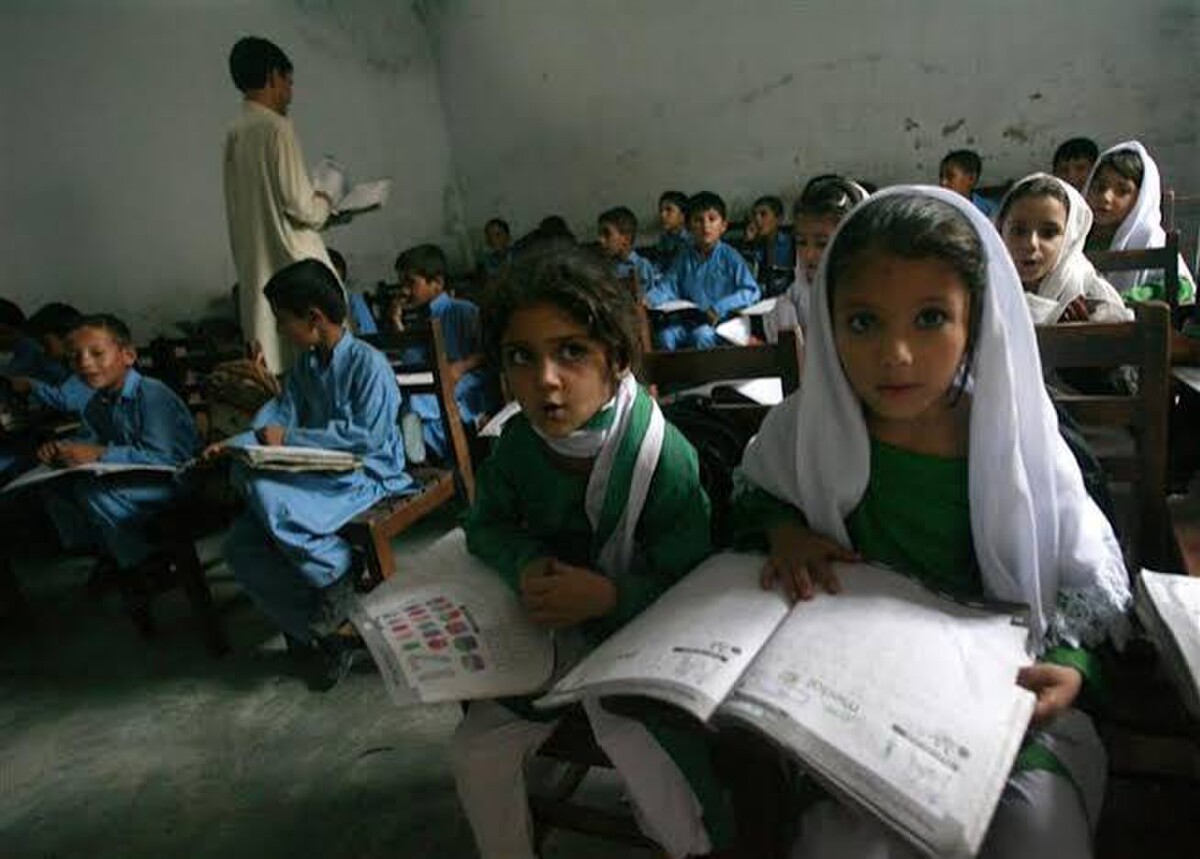
Ensuring that every child benefits from at least one year of pre-primary education by 2030 would require more than $35 billion in additional annual investment globally, according to a new Unesco report released on the World Children’s Day on Friday.
uncertain
child → ensure → Friday
Pre-primary enrolment rates have stalled over the past decade, and only 6 in 10 children entering primary school worldwide have attended at least one year of preschool, with major regional disparities.
asserted
children → stall → disparities
The report shows that growing financing gaps and persistent inequalities continue to deprive millions of young children around the world of quality care and education.
asserted
gaps → show → care
The 2026 Global Report on Early Childhood Care and Education: Financing for equity, inclusion and quality, published jointly with Unicef and OECD, highlights that underinvestment in early childhood care and education carries a steep economic price, with the cost of inaction estimated at an average of 3 per cent of GDP globally, reaching up to 7 per cent in low-income countries.
asserted
cost → publish → countries
Financing gaps, inequalities continue to deprive millions of children worldwide of quality care and education, says report
Yet, investing in this critical stage of education can deliver strong economic returns: according to the report, every $1 invested in closing childcare policy gaps could generate an estimated $3.76 in additional global GDP by 2035.
uncertain
1 → continue → 2035
This is a crucial issue, as many children are already starting school at a disadvantage.
asserted
children → start → disadvantage
Globally, only 64 per cent of children aged 24-59 months are developing as expected for their age, including in early learning, falling to 53 per cent in sub-Saharan Africa.
asserted
cent → age → Africa
Investing in quality early childhood care and education can help close these gaps before they become entrenched.
asserted
they → invest → gaps
Despite significant progress, with enrolment in early childhood education increasing from 64 per cent in 2003 to 75 per cent in 2024, growth has stalled in the past 10 years.
asserted
growth → increase → years
The report estimates that only 59 per cent of all children entering primary school received at least one year of pre-primary education.
asserted
cent → estimate → education
This proportion has barely moved since 2015, highlighting how far the world remains from achieving the Sustainable Development Goal target on education.
asserted
world → move → education
This global figure hides large regional disparities.
asserted
figure → hide → disparities
In 2024, participation one year before primary entry age exceeded 90 per cent in Europe and Northern America and Latin America and the Caribbean, while the rate remained close to 50pc in Northern Africa and Western Asia and sub-Saharan Africa.
asserted
rate → exceed → Africa
Although public investment has increased in most countries, government spending on pre-primary education remains insufficient, accounting for only around 3 to 4pc of education budgets on average in low- and middle-income countries.
This leads to overcrowded classrooms, underqualified staff and limited inclusion services, especially in low-income and crisis-affected contexts.
asserted
This → increase → contexts
New estimates by Unesco Global Education Monitoring (GEM) report show that low- and lower-middle-income countries would need to invest an average of US$69 billion each year between 2027 and 2030 to meet their targets for one year of pre-primary education while maintaining minimum quality standards.
asserted
countries → show → standards
Public financing is projected to cover only half of these needs, leaving an average annual financing gap of $35bn.
asserted
financing → project → 35bn
 The Aporia