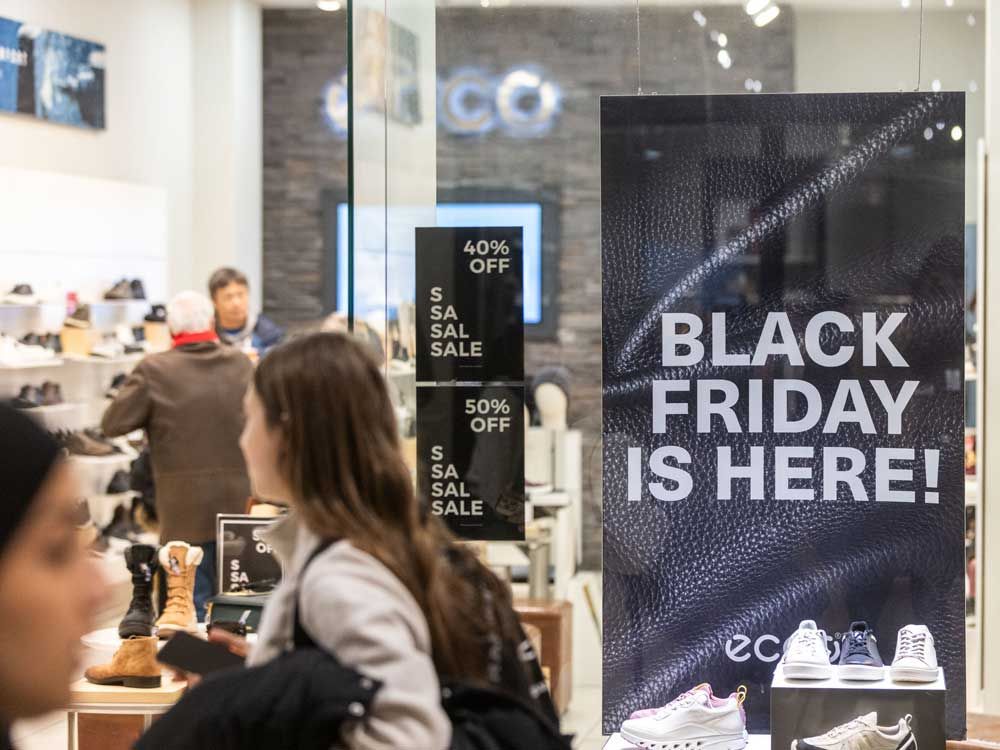
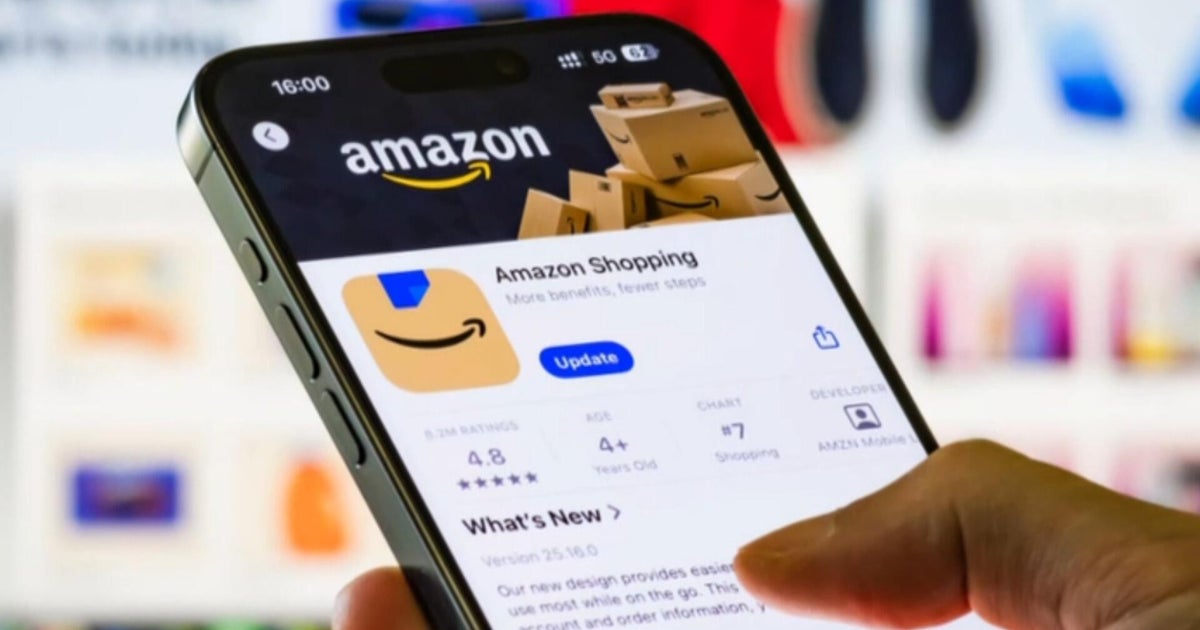
With Black Friday approaching next week, BMO is warning holiday shoppers about various scams.
asserted
BMO → approach → scams
Maenwhile, Canadians have reported $535 million in fraud losses so far this year, according to the Canadian Anti-Fraud Centre.
uncertain
Canadians → report → Centre
“We know there are a lot of scams and frauds going on,” said Larry Zelvin, head of Security Advisory at BMO.
asserted
Zelvin → know → BMO
“I think as alarming as that number is, it could be three, four, five times that, right?
uncertain
it → think → ?
One of the things I would encourage is that people report so we can get a sense of not only what is going on but how.”
asserted
what → encourage → sense
“Watch for these fraudulent websites that advertise discounts or promising things that are not normal and impersonating very familiar retailers,” Zelvin said.
asserted
Zelvin → watch → retailers
Rather than clicking an ad or promotional link, he suggests going directly to the retailer’s website and closely checking the URL before buying anything.
uncertain
he → click → anything
“The longer the URL, the more cautious you should be,” Zelvin said.
asserted
Zelvin → say → ?
“It should say amazon.com.
asserted
It → say → amazon.com
It should say canadiantire.com, bmo.com.
asserted
It → say → canadiantire.com
But if you see bmo.com backslash and then all this gibberish, be careful.”
asserted
you → see → backslash
“Where they pretend to be Canada Post, UPS and FedEx, and claim the package is delayed and requires a small payment,” Zelvin said.
uncertain
Zelvin → pretend → payment
If you haven’t ordered something, that’s something for you to be aware of.”
asserted
you → order → something
Zelvin advises people to instead go directly to the carrier’s site or app to check the package.
asserted
Zelvin → advise → package
Social media shopping can also lead to scams
Another problematic area for scams is shopping on social media.
asserted
area → lead → media
“It’s somebody coming to you and saying, ‘Hey, I’ve got this great deal on something,’ or ‘Hey, I’ve got this for you,’” Zelvin said.
asserted
Zelvin → ’ → you
“The other thing with social media is some of these are actually hosted sites.
asserted
some → host → these
And they are not vetted.
asserted
they → vet → ?
And if they’re not vetted they have a much higher probability, it’s not a certainty, of being fraudulent.
asserted
it → vet → probability
They’re looking for your credit card data, you’re debit card data, having you wire the money many ways.
asserted
you → look → money
“The best thing you can do is go to Better Business Bureau, go Google, ‘Hey has anybody ever heard of these sites?’
asserted
anybody → do → sites
See if it’s reputable,” Zelvin suggested.
uncertain
Zelvin → see → ?
And while AI can be useful for researching products and comparing prices, shoppers should independently verify sellers and be in control of the final purchase.
“Just be very careful of the AI-shopping assistance,” Zelvin said.
asserted
Zelvin → research → assistance
“AI will go out and canvas sites for you and bring you to places but it’s not necessarily telling you whether or not that site is legitimate or secure.
asserted
site → go → you
AI is (also) making the legitimacy of these sites look more and more convincing even though they’re not.”
asserted
they → make → sites
Zelvin also warned against bank, law enforcement, tech support, charity, travel and crypto currency impersonators.
asserted
Zelvin → warn → impersonators
“You be the one who seeks out (information), don’t be the one who responds to solicitations,” he said.
asserted
he → seek → solicitations
Zelvin also said QR codes can also be compromised with stickers overtop of them and once you’ve scanned, they can “in some cases take you to a malicious website.
asserted
they → say → website
Be a healthy skeptic when you see one.”
asserted
you → see → one
 The Aporia