Slowed momentum on climate action will influence how far S’pore can go to decarbonise:
asserted
S’pore → slow → action
Momentum on climate action has slowed down among countries, and this will influence how far Singapore can go to decarbonise, Minister for Sustainability and the Environment Grace Fu said on Nov 20.
asserted
Fu → slow → Nov
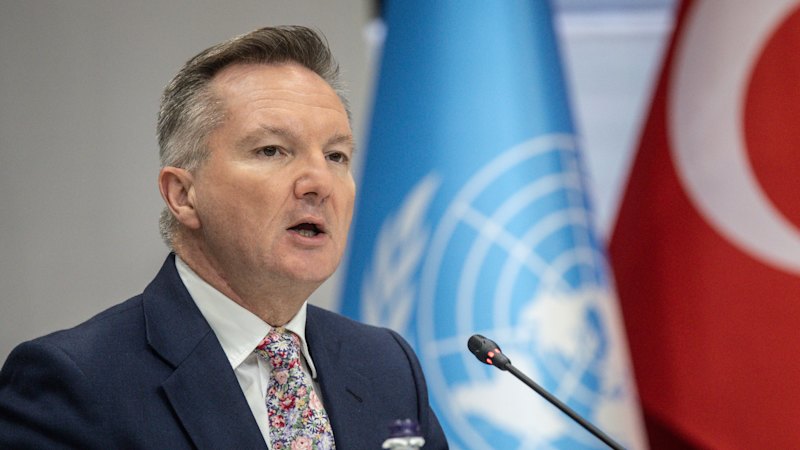
Speaking to the media on the day that the UN climate conference COP31 is due to wrap up in the Turkish city of Antalya, she said: “Our ability to move farther and faster is dependent on progress internationally and whether countries can collectively translate agreements into real action.”
asserted
countries → speak → action
This year’s climate summit is taking place against a backdrop of rising geopolitical tensions, concerns over energy security and rising costs of living.
asserted
summit → take → living
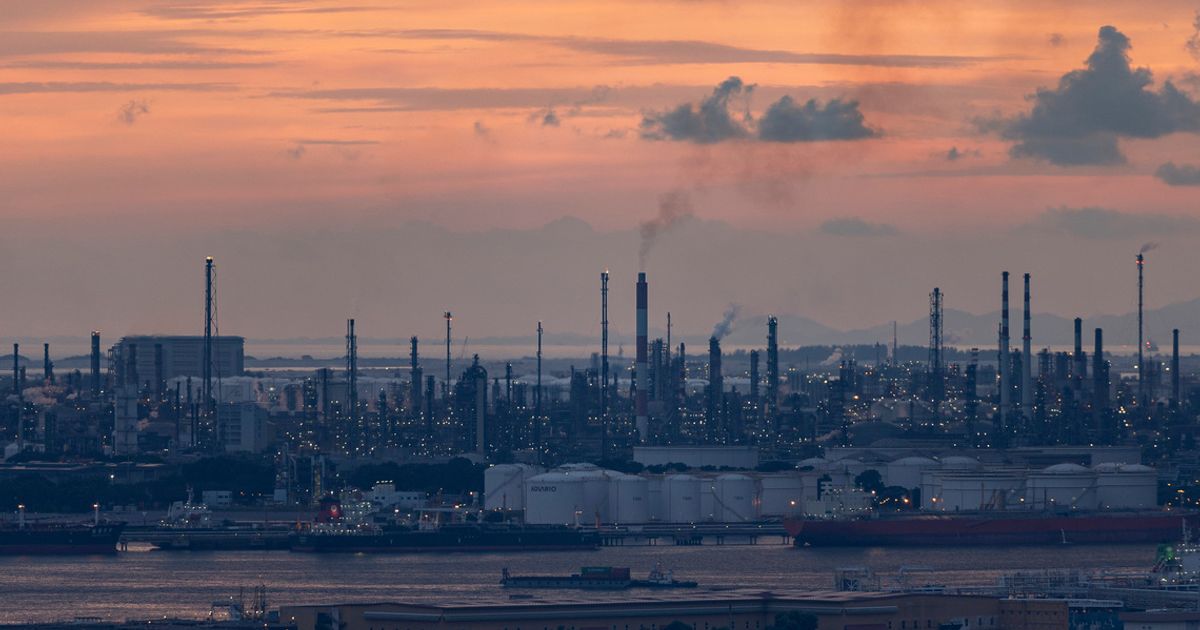
Singapore is highly dependent on international partnerships to cut its emissions, especially its energy sector, the minister said.
asserted
minister → cut → emissions
The sector currently contributes to about 40% of Singapore’s emissions.
asserted
sector → contribute → emissions
The country is trying to reduce emissions from this by tapping more solar energy domestically and pushing for a regional grid that will enable the Republic to import green electricity, among other measures.
asserted
that → try → measures
Due to this, Singapore will not be able to commit to meeting the electrification target set out by the COP31 presidency with clean energy sources, said Fu.
asserted
Fu → commit → sources
This electrification target, mooted by the Turkish presidency of the conference, refers to the goal for countries to increase the share of electricity in global energy demand from the current 20% to 35% by 2035.
asserted
countries → moot → 2035
Electrification can help cut carbon emissions when processes relying on fossil fuels are adapted to run on electricity generated from low-carbon sources instead.
asserted
processes → help → sources
For instance, switching from internal combustion engine vehicles to electric vehicles (EVs) can reduce the consumption of petroleum.
asserted
switching → switch → petroleum
But it has become a contentious issue because countries cannot agree on whether it should be explicitly stated in the final outcome document from the conference that the electricity should be generated by clean energy sources.
asserted
electricity → become → sources
The outcome text serves as a document that reflects shared political commitments and global priorities.
asserted
that → serve → commitments
It must be agreed upon by all parties.
asserted
It → agree → parties
The benefits of electrification to the climate will be reduced if it is generated by fossil fuels.
asserted
it → reduce → fuels
Fu said that Singapore is prepared to support the ‘35 by 35’ electrification goal.
asserted
Singapore → say → goal
“But we will not be able to commit to doing so with green energy because that’s not something that we have within our control at this point in time, and we don’t intend to make commitments that we don’t have a fair chance of fulfilling,” she said.
asserted
she → commit → chance
Singapore’s current share of electricity of its energy demand is around 30%, noted Fu.
asserted
Fu → note → demand
She noted that the country is already working towards phasing out internal combustion engine vehicles and investing electric charging infrastructure to support the transition to EVs.
asserted
country → note → EVs
About 95% of the country’s electricity is generated by natural gas, a fossil fuel.
asserted
% → generate → gas
In the first half of 2026, around 4% of electricity used was generated by solar power.
asserted
% → use → power
Singapore has plans to tap more green electricity through energy imports, with a goal to import 30 per cent of its needs from low-carbon sources by 2035.
asserted
Singapore → have → 2035
The Republic has also said it plans to use its chairmanship of ASEAN in 2027 to push for the set-up of the regional grid.
asserted
it → say → grid
But set-backs include having to develop grid infrastructure which requires large amount of capital, as well as the need for countries to agree on suitable prices.
asserted
countries → include → prices
An Indonesian official had also in November hinted that Jakarta may block renewable electricity exports to Singapore.
uncertain
Jakarta → hint → Singapore
She added: “When global negotiations are difficult, we will work with like-minded countries to advance at the bilateral as well as polylateral level.”
asserted
we → add → level
Fu cited Singapore’s carbon trading pacts as examples of how the Republic is pursuing bilateral action.
asserted
Republic → cite → action
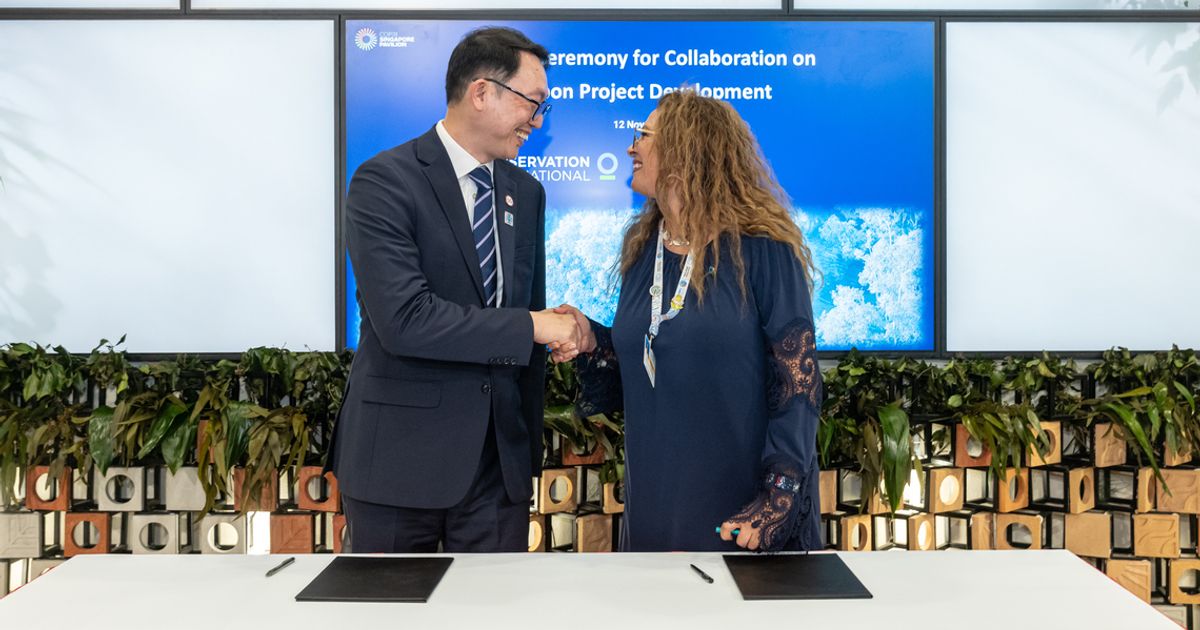
Singapore had inked agreements with Zambia and Kenya at COP31, that will pave the way for the Singapore Government and carbon tax-liable firms here to buy eligible carbon credits from these countries.
asserted
Government → ink → countries
Buyers can use these credits to offset a fraction of their planet-warming emissions, while the carbon credit revenue will go to developing climate-friendly projects in the host countries.
“It’s a kind of example of how like-minded countries could come together and work on a topic of common interest,” she said.
uncertain
she → use → interest
COP31 has also been billed as an “implementation COP”, where countries are urged to come with concrete plans to cut emissions, instead of just making new targets.
asserted
countries → bill → targets
Fu said Singapore has during the two-week summit showcased a number of these initiatives, pointing to a government-backed initiative launched on Nov 10 to help boost investments into promising agri-food adaptation projects.
asserted
Singapore → say → projects
Adaptation refers to efforts to reduce the impacts of climate change on communities.
asserted
Adaptation → refer → communities
Dubbed the Scaling Projects and Investments for Resilience in Asia Programme, or SPIRE Asia, it is Singapore’s first project that taps blended finance for adaptation measures.
asserted
that → dub → measures
Blended finance starts with capital from public or philanthropic sources to draw in the involvement of the private sector, which holds most of the world’s wealth.
asserted
which → start → wealth
This can help make agri-food adaptation projects more attractive to the commercial sector.
asserted
projects → help → sector
The lack of concrete plans by developed countries to channel climate finance to developing nations has been criticised by activists at the summit.
asserted
lack → develop → summit
While Singapore is considered a developing country by the UN, blended finance mechanisms have been cited as a solution for it to bring in other pots of money to fund critical climate initiatives in the region.
asserted
it → consider → region
Asked her views on how the summit has progressed, Fu noted that the climate negotiations are becoming more fragmented.
asserted
negotiations → ask → views
Without clear leadership from major powers to help steer talks - a role that the US used to play - countries now have to find a way forward to come to a consensus on climate action, she noted.
asserted
she → help → action
“That’s lacking now, but we have to find our own way and rely on the leadership of our COP presidencies to chaperone and to get all of us into place,” she said.
asserted
she → lack → place
…and 13 more, not listed.
 The Aporia