The Trump administration’s push to secure access to DR Congo’s critical minerals is fast becoming entangled in a political fight over President Félix Tshisekedi’s controversial efforts to change the constitution and potentially extend his rule beyond 2028 when his second term is due to end.
asserted
term → secure → 2028
Tshisekedi says implementing the US minerals pact, which gives American investors preferential access, requires constitutional changes, linking the deal to judicial reforms while raising the prospect of a third term.
asserted
which → say → term
His opponents fear that this is a pitch to claim he is the only guarantor of the agreement and they have also pledged to honor it.
uncertain
they → fear → it
Analysts said Washington will be wary of being seen to endorse the president’s political ambitions.
asserted
Washington → say → ambitions
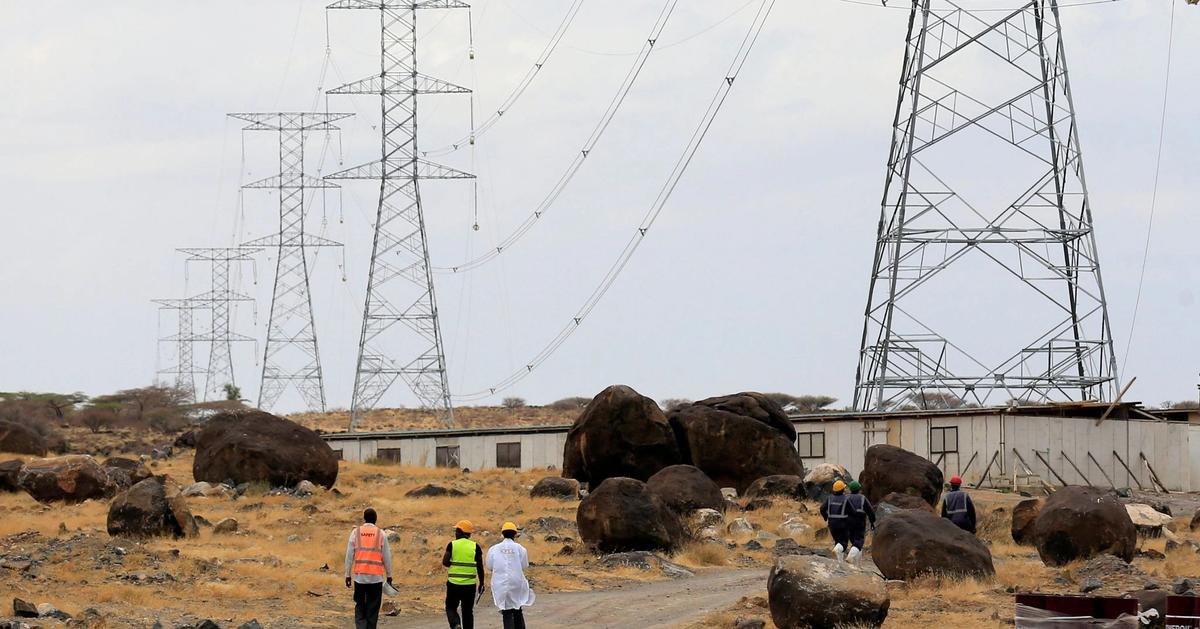
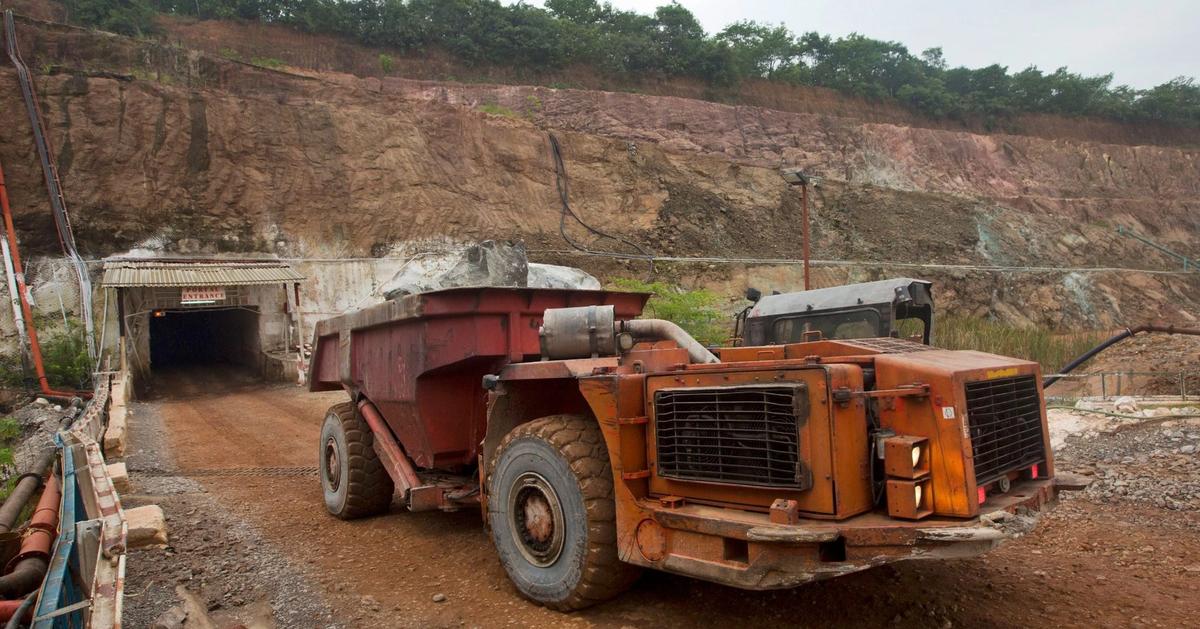
The US is seeking access to DR Congo’s vast copper and cobalt reserves, essential for electric vehicle batteries and artificial intelligence, as it tries to challenge China’s dominance of global critical mineral supply chains.
asserted
it → seek → chains
The two minerals alone generated $31.5 billion in Congolese export earnings in 2024, according to central bank data.
uncertain
minerals → generate → data
Barred from running again in 2028, Tshisekedi last week signed a law allowing a new constitution to be adopted by referendum.
asserted
constitution → bar → referendum
If approved it would reset the count, argued Christian Moleka, a Kinshasa-based political analyst: “We will no longer be talking about a third term, but about a first term under a new constitution.”
asserted
We → approve → constitution
Days after the law was signed, Frank Garcia, the State Department’s top Africa official, told a congressional hearing that the administration has “had diplomatic discussions” with Tshisekedi on constitutional changes, but despite being asked Garcia did not specifically mention the prospect of a third term.
asserted
Garcia → sign → term
Sen. Jim Risch, the outgoing Republican chair of the Senate Foreign Relations Committee, told Semafor it would be “ill advised for President Tshisekedi to take actions that would deepen the political and security crisis in his country.”
asserted
that → tell → country
Rep. Gregory Meeks, the Democrat expected to chair the House foreign affairs committee from January, said eliminating term limits would risk “threatening opportunities to partner with the United States.”
asserted
eliminating → expect → States
Joseph Kabila, Tshisekedi’s predecessor, who now leads Rwanda-backed rebels in the east, said in October that the US minerals deal was guaranteed by “the continuity of the state, not by the survival of the regime in power.”
asserted
deal → lead → power
Weeks later in Rome, major opposition leaders including Moïse Katumbi and Martin Fayulu pledged that “legitimately elected leaders” would preserve the agreement’s “strategic commitments.”
asserted
leaders → include → commitments
Christian-Géraud Neema, a non-resident scholar at the Carnegie Endowment’s Africa Program, said the pledges target an unspoken bargain: “There seems to be a quid pro quo coming from Washington that Tshisekedi is our man and as long as he does things regarding our interests, we would not do anything against him.”
asserted
we → say → him
The State Department pointed Semafor to the agreement’s text.
asserted
Department → point → text
“We do not engage in hypotheticals,” a spokesperson said, calling peace and security fundamental to the partnership.
asserted
spokesperson → engage → partnership
Rep. Johnny Olszewski, the Democrat who questioned Garcia in the hearing, told Semafor the administration “must do more to make clear to President Tshisekedi that his actions are not acceptable and will have consequences.”
asserted
are → question → consequences
Garcia was more critical about the national dialogue Tshisekedi announced in August,
asserted
Tshisekedi → announce → August
The three-month process, meant to cover peace, national unity, and rebuilding the state, has been rejected by the main opposition coalition, and armed groups are excluded.
asserted
groups → mean → coalition
“We haven’t seen it tasked out, we haven’t seen it organized, we haven’t seen an agenda, and these are not indicators that there’s truth behind that,” he said.
asserted
he → see → that
“There’s no condemnation, but no support either, and that silence can be read as a kind of tacit green light,” analyst Moleka said, referencing the third term.
asserted
Moleka → ’ → term
For Kinshasa, he added, Washington’s silence “can be used as a narrative at home to say: Washington is not opposed to this project.”
asserted
Washington → add → project
Joshua Walker, an associate fellow at the Chatham House think tank’s Africa program, said the opposition saw the referendum law as “a kind of provocation,” and he fears what comes next.
asserted
what → say → provocation
“My concern is that there’s going to be a political escalation and that there’s going to be a military escalation in the east,” he said.
asserted
he → go → east
“It’s almost becoming a self-fulfilling prophecy.”
asserted
It → become → ?
Some analysts argue Congolese politicians on all sides are overestimating Washington’s staying power.
asserted
politicians → argue → power
“Personally I don’t think it’s a good strategy,” Neema said of the Congolese opposition’s pitch, because he doubts the US has a lasting stake in the country.
asserted
US → think → country
“DRC importance to the US has always been wildly exaggerated,” he said, adding that if Trump leaves power, “I don’t foresee the US having that level of apparent invested interest in the DRC.”
asserted
US → exaggerate → DRC
An “America first” policy “is likely to favor close relations with Congolese political leaders over democracy and human rights,” an approach that could end up destabilizing the country, DR Congo experts wrote in Foreign Affairs.
uncertain
experts → favor → Affairs
 The Aporia