Australians have received a barrage of bad economic news lately.
asserted
Australians → receive → news
Inflation has been stubbornly high, official interest rates have reached an 18-year-high, house prices have slumped and some well-known retailers, including David Jones and General Pants, have collapsed.
But perhaps most worrying of all was Thursday’s jobs report from the Australian Bureau of Statistics.
asserted
report → reach → Statistics
It showed the national unemployment rate had jumped from 4.1 per cent in January to a five-year high of 4.9 per cent in October.
asserted
rate → show → October
Unemployment would have been above 5 per cent if not for an increase in the number of people who gave up looking for work last month.
asserted
who → give → work
The shock increase did not include major job cuts signalled recently by a raft of big firms, including NAB, ANZ, Qantas, David Jones and Bunnings, so unemployment is set to worsen.
asserted
unemployment → include → NAB
Total employment in Australia has already plunged by about 80,000 in the past two months.
asserted
employment → plunge → months
Rising unemployment is much more than a statistic – it signals an enduring human cost.
asserted
it → rise → cost
Since January, the number of people without a job in Australia has surged by 130,000.
asserted
number → surge → 130,000
It now stands at three quarters of a million for the first time since the economic upheaval of the COVID pandemic.
asserted
It → stand → pandemic
The financial impact of unemployment can be far-reaching and can even affect living standards in retirement.
asserted
impact → reach → retirement
The loss of income for a parent following a job loss may damage the prospects of the next generation.
uncertain
loss → follow → generation
An extended period out of work can also damage a person’s wellbeing and sense of self-worth.
asserted
period → damage → worth
And of course, higher rates of unemployment damage both federal and state budgets, which are already under pressure.
asserted
which → damage → pressure
First, young workers are being hit disproportionately hard – the youth unemployment rate (for those aged 15 to 24) hit 11.3 per cent in October, the worst in five years.
asserted
rate → hit → years
Regional employment data showed the Parramatta district in Sydney’s west had an unemployment rate of 6.7 per cent in September, while in Melbourne’s west the jobless rate was 6.6 per cent.
asserted
rate → show → west
The meeting’s minutes show that three of the board’s nine members opposed the decision.
asserted
three → show → decision
The sharp rise in unemployment has raised fears Australia is headed for recession – traditionally defined as two consecutive quarters of contraction in national economic output.
asserted
Australia → raise → output
Some economists have drawn attention to a recession indicator called the Sahm rule, created by American economist Claudia Sahm.
asserted
economists → draw → Sahm
Under her definition, a country is on its way to recession if the jobless rate over a three-month period is 0.5 of a percentage point higher than any other three-month period recorded during the preceding year (economists have calculated that this is likely to be about 0.75 of a percentage point in Australia).
asserted
this → record → Australia
On Sahm’s measure Australia is skating close to recessionary territory.
asserted
Australia → skate → territory
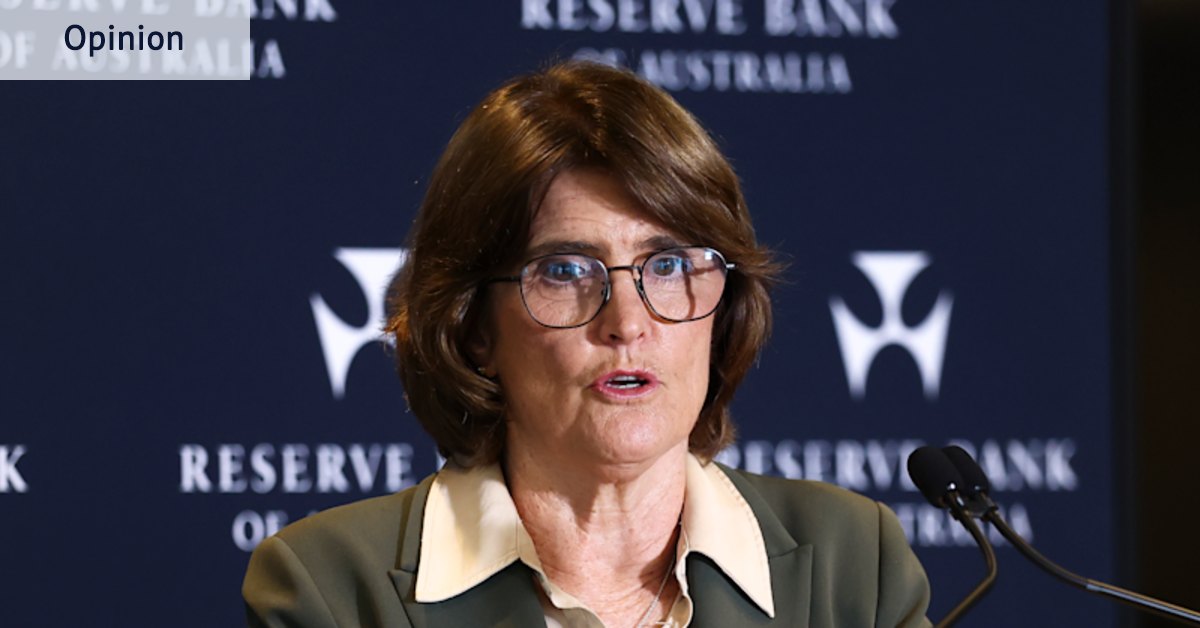
And yet, only three weeks ago, the Reserve Bank’s monetary policy committee lifted the official cash rate for the fifth time this year in a bid to bring down inflation which, at 4.3 per cent, is still well above the bank’s target band of 2-3 per cent.
asserted
which → lift → cent
The meeting’s minutes show that three of the board’s nine members opposed the decision; the dissenters “expressed their concern that the economy might be near the point of entering a materially sharper downturn and pointed to the costs in terms of unemployment”.
The sharp deterioration in the jobs market revealed on Thursday suggests those three dissenters may be right.
uncertain
dissenters → show → Thursday
The Herald is concerned that the Reserve Bank may have lifted rates too high, which will cause unnecessary economic pain.
uncertain
which → concern → pain
Get a weekly wrap of views that will challenge, champion and inform your own.
asserted
that → get → own
 The Aporia