A third Ukrainian strike in 4 days halts rail traffic on Russia’s Kerch Bridge to Crimea
AI
asserted
strike → halt → Crimea
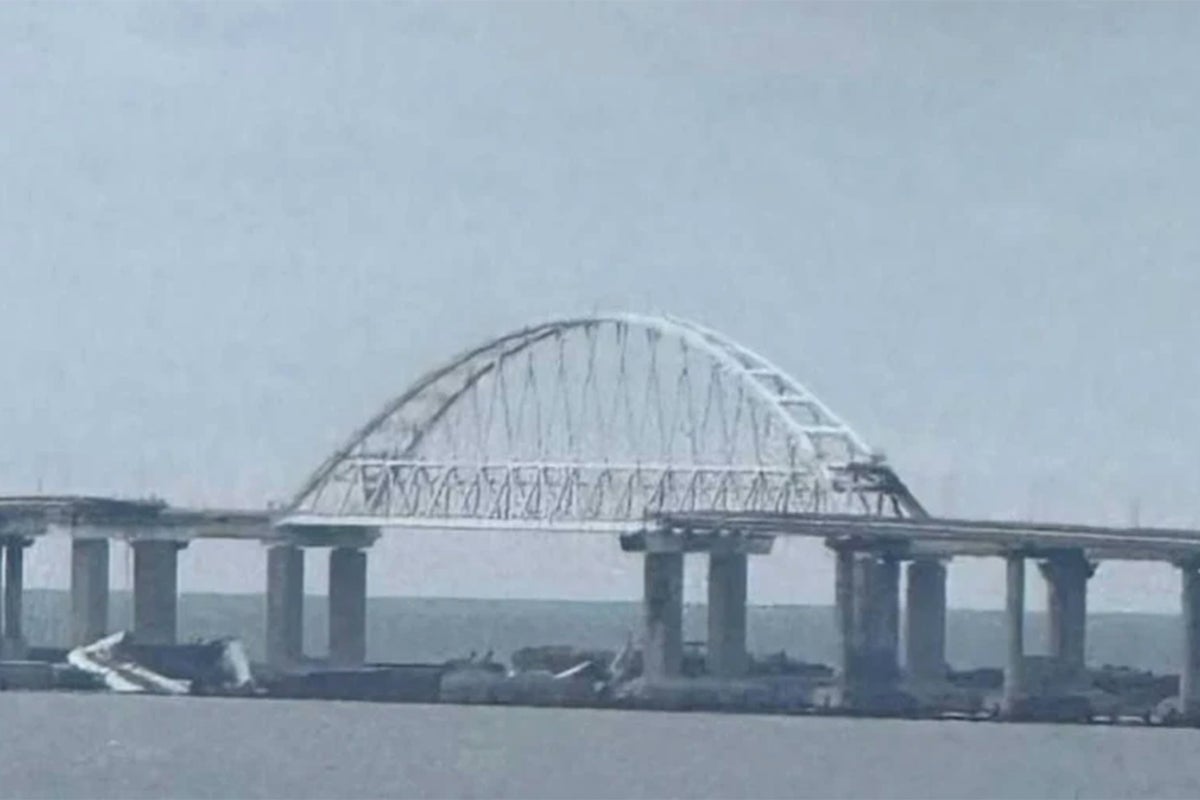
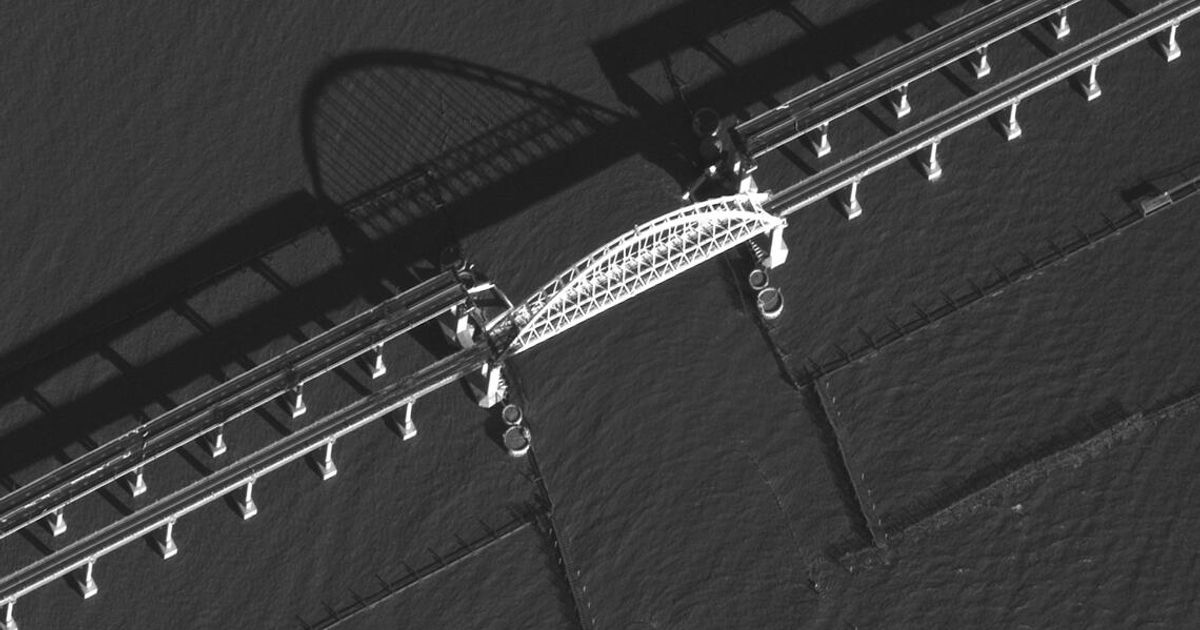
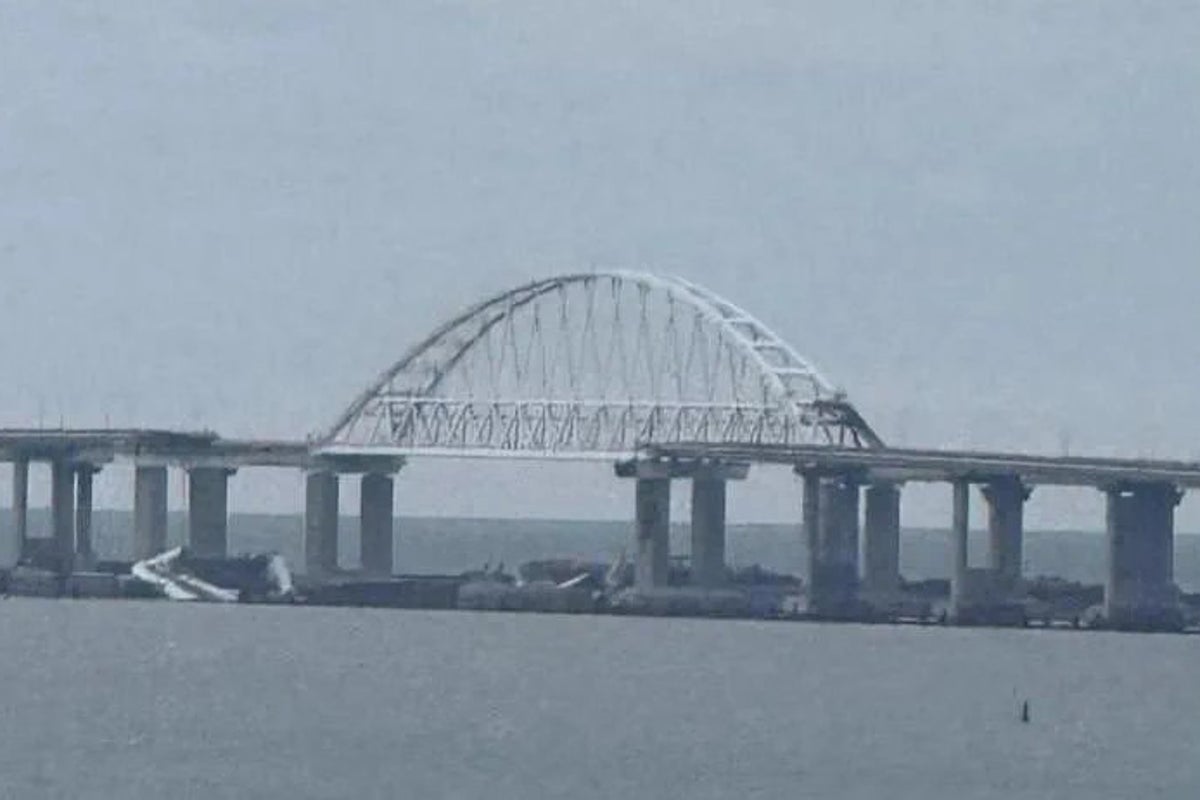
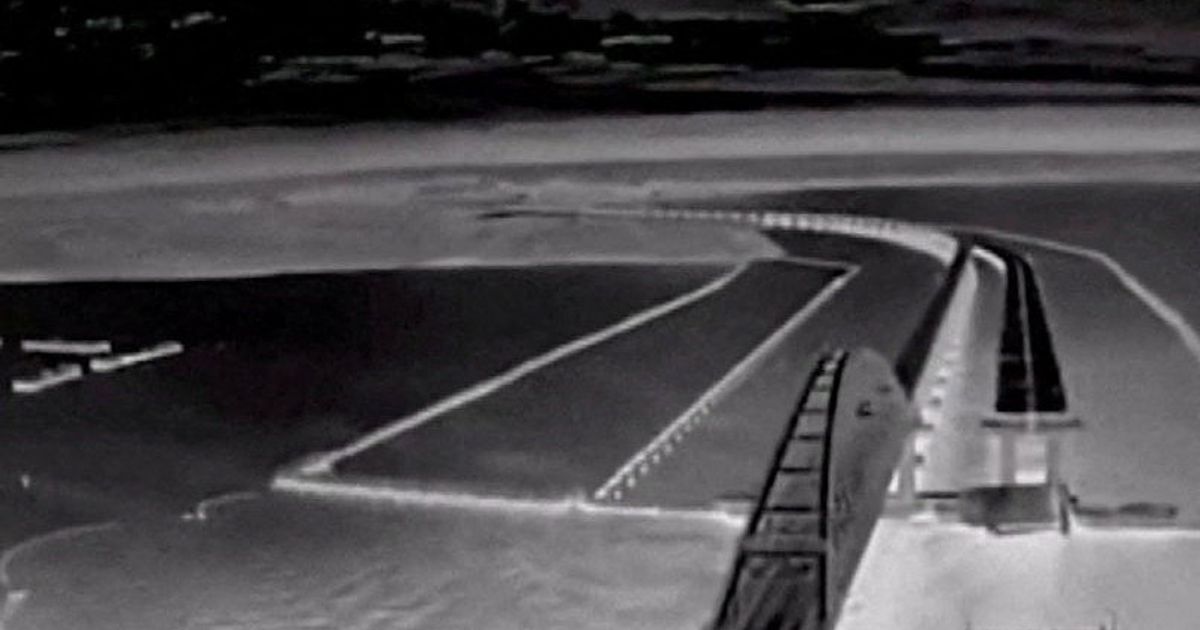
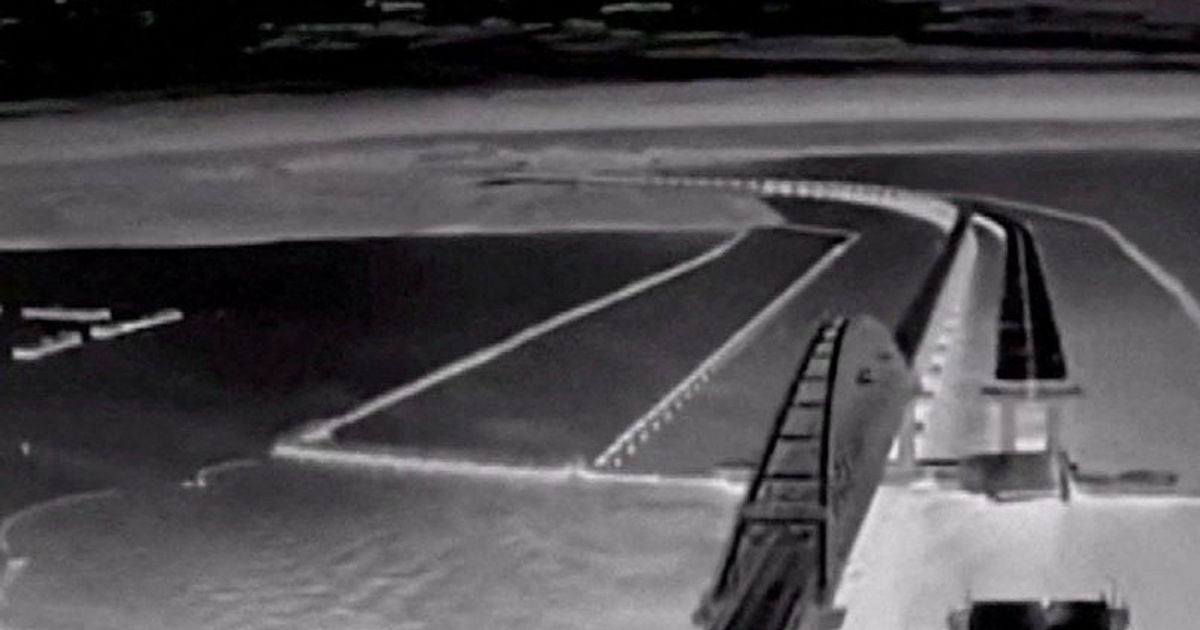
A third Ukrainian aerial attack in four days on the key Kerch Bridge linking Russia to Russian-held Crimea halted rail traffic across the span, officials said on Nov 19, after earlier strikes shut down the road section of the landmark that is a symbol of Moscow’s invasion.
asserted
that → link → invasion
Train traffic across the bridge stopped after the overnight strike while authorities assessed the damage, but it resumed in the afternoon, according to Russian state news agency RIA Novosti.
uncertain
it → stop → agency
The Ukrainian strikes seemed calculated to embarrass Russian President Vladimir Putin as he met in China with President Xi Jinping and US President Donald Trump, as well as to demonstrate that Kyiv still holds cards in the war and to undermine Russia’s argument that its victory is inevitable.
asserted
victory → seem → argument
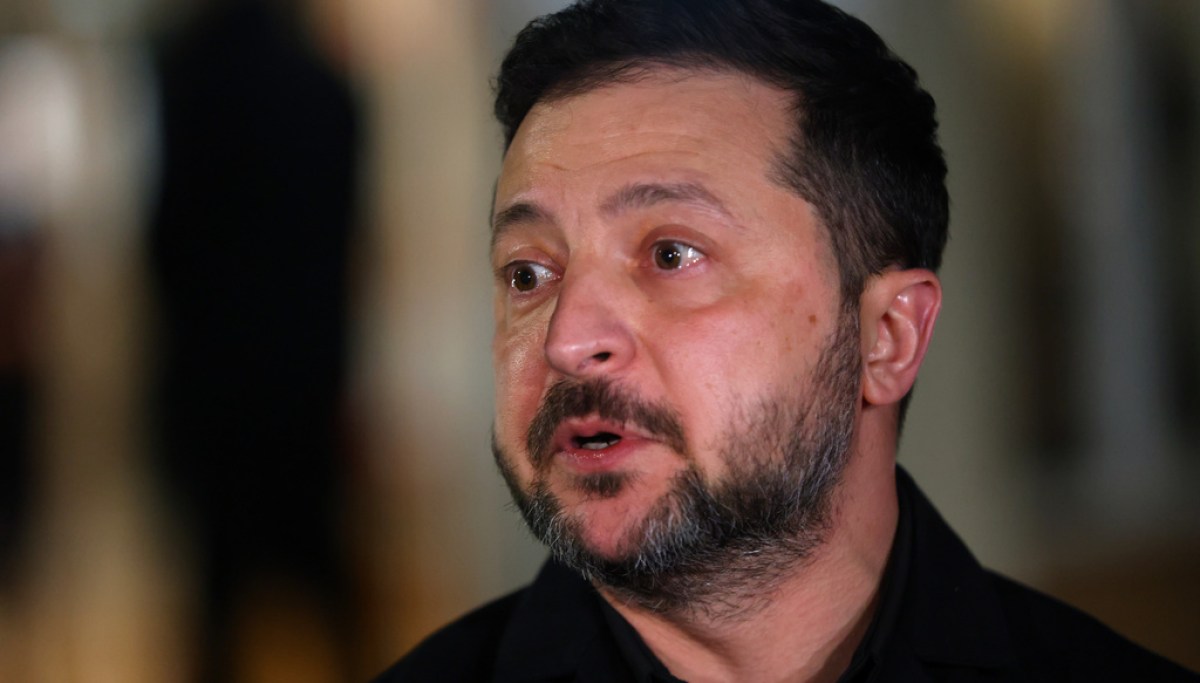
The attack came hours before the start of talks in Berlin between US envoys Jared Kushner and Steve Witkoff and Ukrainian President Volodymyr Zelensky alongside more than 40 European leaders who are supporting Ukraine’s war effort and fear being sidelined by Trump’s direct talks with Putin.
asserted
who → come → Putin
Putin acknowledges the damage and vows to strike back
“We will respond to these attacks, and I want everyone to be clear about that,” Putin told reporters in Shenzhen, China.
asserted
Putin → acknowledge → Shenzhen
He insisted the bridge is a civilian asset, adding that he had ordered the bridge closed to the transport of military hardware or ammunition.
asserted
bridge → insist → hardware
Putin also said that the road side of the bridge had been “seriously damaged” but vowed to rebuild it.
asserted
side → say → it
The rail section is believed to be stronger than the road side, to bear the greater weight of cargo wagons.
asserted
section → believe → wagons
The 19km-long Kerch Bridge is a key route for military and civilian supplies to Crimea, which Moscow seized in defiance of international law in 2014 and uses to support front-line troops.
asserted
Moscow → seize → troops
A large section of the road deck and an arch collapsed in the culmination of weeks of preparatory strikes over seven stages of the operation, according to Zelensky, and the train track was damaged by domestically produced Neptune missiles, Ukraine’s Defence Ministry said.
uncertain
Ministry → collapse → missiles
Now Russia will need to reroute fuel and ammunition supplies over land, where “our drones are waiting for the cargo,” the ministry said.
asserted
ministry → need → cargo
Attacks kill 4 civilians in Russia, 1 in Ukraine: Officials
asserted
Attacks → kill → Ukraine
The Russian Defence Ministry said on Nov 19 that its air defences intercepted 53 Ukrainian drones over 10 Russian regions during the night.
asserted
defences → say → night
A Ukrainian attack on Russia’s Saratov region killed three people and wounded two others, local governor Roman Busargin said, and a drone killed a woman travelling by bicycle with her eight-year-old grandson in the Bryansk region, governor Egor Kovalchuk said.
Ukrainian authorities said that Russia launched anti-ship missiles and 98 drones at Ukraine, with hits recorded at 18 locations.
asserted
hits → kill → locations
A 44-year-old woman was killed and at least 23 people, including a 12-year-old boy, were reported wounded as Russian strikes caused damage in 12 regions.
asserted
strikes → kill → regions
Russia’s bigger army hopes to exhaust Ukraine on the front line through sheer weight of numbers in terms of soldiers, armour and weapons.
asserted
army → hop → soldiers
But Kyiv’s defences are largely holding the Russians back, sapping Russian momentum with the help of drones that quickly choke off troop advances.
asserted
that → hold → advances
Russia has resorted to strategic bombing to wear down Ukraine’s resistance, placing special emphasis on knocking out power ahead of winter, while Kyiv’s domestically developed long-range drones and missiles have struck deep inside Russia, often targeting its oil refineries.
asserted
drones → resort → refineries
Kyiv fears Trump and Putin may try to decide Ukraine’s fate
In China, Trump called Putin “my friend”.
uncertain
Trump → fear → Putin
The American president’s relationship with Zelenskyy, meanwhile, has soured.
asserted
relationship → sour → Zelenskyy
European leaders have tried to isolate Putin diplomatically and have heavily sanctioned the Russian economy.
asserted
leaders → try → economy
Ukrainian officials fear their country’s fate could be determined by agreements between Trump and Putin, while European governments are alarmed by Moscow’s aggression.
uncertain
governments → fear → aggression
The question of US support for Ukraine, severely curtailed under Trump, could be raised by Democrats in Congress after their wins in the midterm elections.
uncertain
question → curtail → elections
Britain’s Prince Harry offered a veiled criticism of the US government’s policy towards Ukraine, saying in an interview released late on Nov 18 that he believes there is a “big separation” between the Trump administration’s stance and that of the American people.
asserted
he → offer → people
Merz, Macron, Burnham to meet with US envoys and Zelensky
Kushner and Witkoff have led Trump administration efforts to end nearly five years of war following Russia’s all-out invasion of its neighbour and recently have mediated new discussions, though the talks have yielded no major breakthrough.
asserted
talks → meet → breakthrough
Kushner said on Nov 19 on X that Washington’s priority at the Nov 19 meeting in Berlin is to “further strengthen our close coordination with Ukraine and Europe, work towards a unified position on the key elements of a lasting peace, and to jointly prepare the agenda and proposed format for the next round of multilateral negotiations.”
asserted
priority → say → negotiations
The meeting will also explore how Ukraine’s European backers can fit into post-war security arrangements.
asserted
backers → explore → arrangements
Kyiv wants to ensure that Russia doesn’t invade again, while Moscow wants to keep the NATO military alliance away from its borders.
asserted
Moscow → want → borders
Putin said in Shenzhen that the Kremlin is not against European participation in talks, but “we need to understand with what Europe will come to these negotiations.”
asserted
Europe → say → negotiations
The Kremlin has proposed to European officials through diplomatic channels to come to Moscow “to determine their position,” Putin said, without elaborating.
asserted
Putin → propose → position
No date has been set for the next round of talks, he said.
asserted
he → set → talks
Kremlin spokesman Dmitry Peskov declined to say which European officials had been invited or whether Moscow had received a response, Russian state news agency Tass reported.
asserted
Tass → decline → response
German Chancellor Friedrich Merz was due to welcome French President Emmanuel Macron and British Prime Minister Andy Burnham as well as other leaders to the meeting.
asserted
Merz → welcome → meeting
 The Aporia