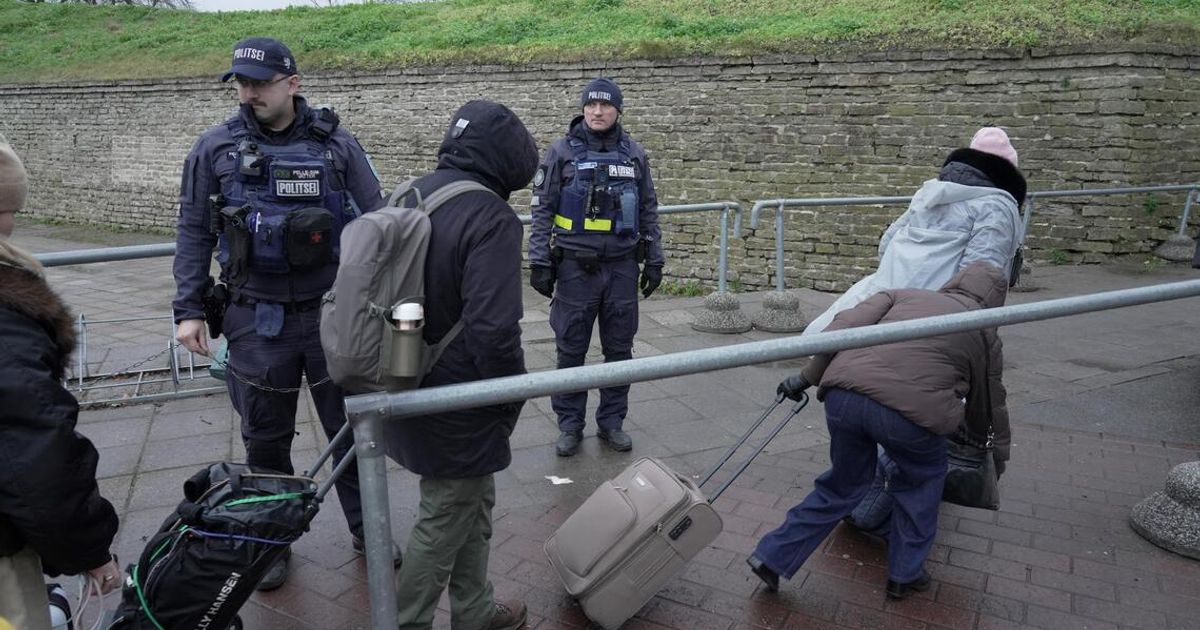
Photo via The Straits Times

No going back ‘to the way it was’ before the Iran war’s energy shock, IEA says

Read the original at The Straits Times ↗
Cite

The Straits Times. (2026, November 19). No going back ‘to the way it was’ before the Iran war’s energy shock, IEA says. The Straits Times. https://www.straitstimes.com/world/europe/no-going-back-to-the-way-it-was-before-the-iran-wars-energy-shock-iea-says

Dated from the outlet's own feed. Check the original for its byline.

The Straits Times · collected 2026-11-19 · by The Straits Times

Quick Summary

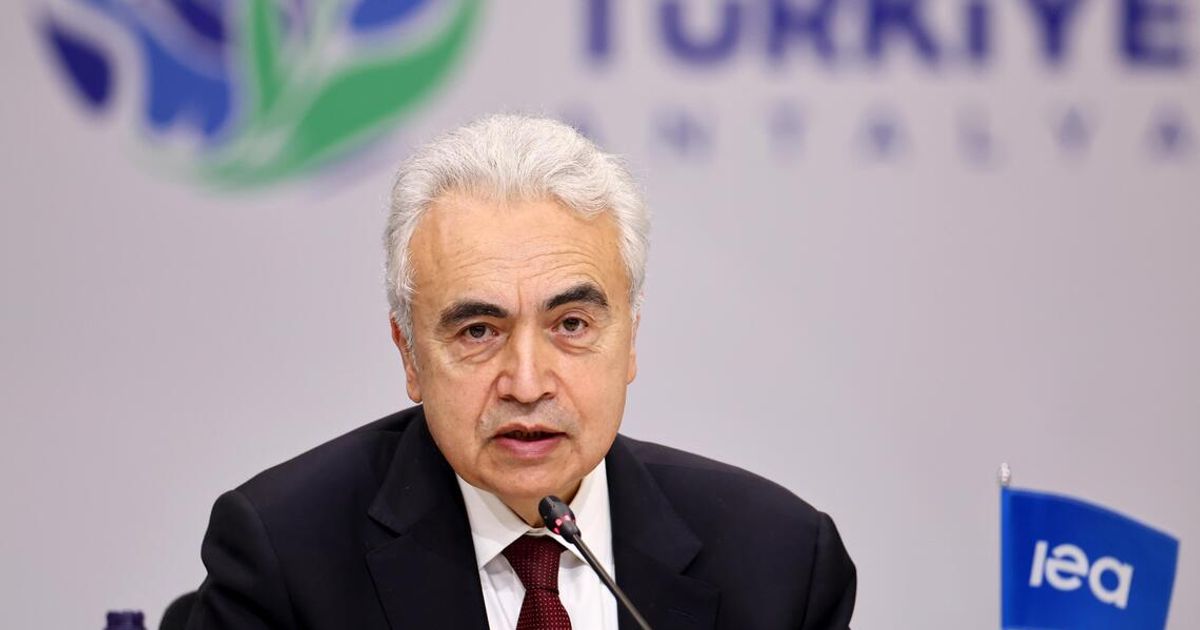
The International Energy Agency released a report on November 19 stating that the world cannot return to pre-Iran war energy conditions due to significant disruptions. The report highlights that the Iran conflict has significantly altered the global energy landscape, with lasting impacts on how countries secure and afford electricity, potentially favoring renewable technologies and nuclear power while maintaining reliance on coal as a crisis backup. The IEA’s executive director, Fatih Birol, emphasized the irreversible changes and noted the alignment of energy security policies with climate transition goals.
Written by AI on 2026-11-21, from this article's own text only (the story summary below draws on all the coverage).
See how they differ ↓

AI analysis

Story summary

The International Energy Agency (IEA) has warned that there is no credible pathway back to the energy market as it stood before the Iran war, which began in February. The crisis, triggered by the US and Israeli bombing of Iran, has created the largest threat to global energy security in history, surpassing previous shocks like those of the 1970s. The Strait of Hormuz, which carried about one-fifth of global oil shipments pre-crisis, has seen transits fall to near zero, severely disrupting oil supplies and driving up costs for consumers. IEA Executive Director Fatih Birol emphasized that the longer the crisis continues, the harder it will be for global energy markets to recover, leaving lasting impacts on the energy sector and economy.

Written for “Middle East Conflict Threatens Energy Security” on 2026-11-21, grounded in this article and the 3 other(s) covering the same event.

How they differ

4 outlets covered “Middle East Conflict Threatens Energy Security”.

What each outlet says

One AI summary per outlet of its latest article on this story, written from that article alone and checked against it. Open the article for the outlet's own words.

The Straits TimesThis outlet19 Nov

The International Energy Agency released a report on November 19 stating that the world cannot return to pre-Iran war energy conditions due to significant disruptions. The report highlights that the Iran conflict has significantly altered the global energy landscape, with lasting impacts on how countries secure and afford electricity, potentially favoring renewable technologies and nuclear power while maintaining…

No going back ‘to the way it was’ before the Iran war’s energy shock, IEA says (this article)
City A.M.18 Nov

Fiath Birol, the executive director of the International Energy Agency, warns that there is no credible pathway back to the energy market situation prior to the Iran war, citing severe disruptions in the Strait of Hormuz. Birol states that the uncertainty created by the conflict has led to a significant decrease in shipping traffic through the waterway, with transits dropping to near zero at the war's peak from…

Global energy watchdog warns ‘no credible way’ back to pre-Iran war energy markets →
The Hindu19 Nov

The International Energy Agency (IEA) declared on November 19, 2026, that the crisis in West Asia, initiated by U.S. and Israeli strikes on Iran in February, constitutes the largest threat to global energy security ever recorded. The IEA's annual World Energy Outlook report states that disruptions in oil supply through the Strait of Hormuz have severely impacted energy markets, with Gulf countries struggling to…

West Asia crisis 'largest threat' to energy security ever: IEA →
Euronews20 Nov

The International Energy Agency (IEA) has warned that the Middle East conflict, exacerbated by recent US and Israeli military actions against Iran, poses the greatest threat to global energy security in history. Disruptions to oil supplies through the Strait of Hormuz have led to significant price increases, affecting consumers worldwide. IEA Executive Director Fatih Birol stated in the agency’s World Energy Outlook…

Middle East conflict poses biggest threat to global energy security in history, IEA warns →

Compared with similar articles

This article reads centre and hedges 12% of its claims. Each row says how that neighbour differs.
The Hindu
Leans left further left than this Hedges 1 of 13 claims Outlet record 78/100
Euronews
Hedges 1 of 20 claims Outlet record 60/100
City AM
Hedges 2 of 15 claims Outlet record 95/100
“The articles discuss the same topic but refer to different aspects of the situation: Article A focuses on the warning about no credible pathway back to pre-war energy markets, while Article B mentions a broader report on the lasting impacts of the Iran war's energy shock.”
Semafor
Hedges 1 of 4 claims Outlet record 64/100
“The articles discuss different aspects of the global energy situation and do not describe the same specific event or incident.”

Story

Middle East Conflict Threatens Energy Security
World · 4 article(s) covering the same event. See how they differ ↑
How this article was measured signals, leaning charts, publisher record, byline, topics and claims

Signals How these are calculated →

Claims extracted
40
sentences that state something as happening or true
Uncertain
12%
5 of 40 hedged ("reportedly", "may", "according to")
Leaning
Centre
of the writing, not the subject · beta estimate
Publisher signals
64/100
The Straits Times's corrections and hedging, across everything collected from it. Not a measure of accuracy.
Outlets on this story
4
World
Same framing elsewhere
1
articles that frame the event the way this one does
Analyzed 2026-11-21 · how these are computed

How this is being covered How these are calculated →

Article leaning vs. publisher reliability
Source leaning vs. consistency

Publisher

The Straits Times · 5674 article(s) · 7 correction(s) detected
Running correction rate · 7 correction(s)

Who wrote this

The Straits Times
3966 article(s) here · 1 carrying a prediction
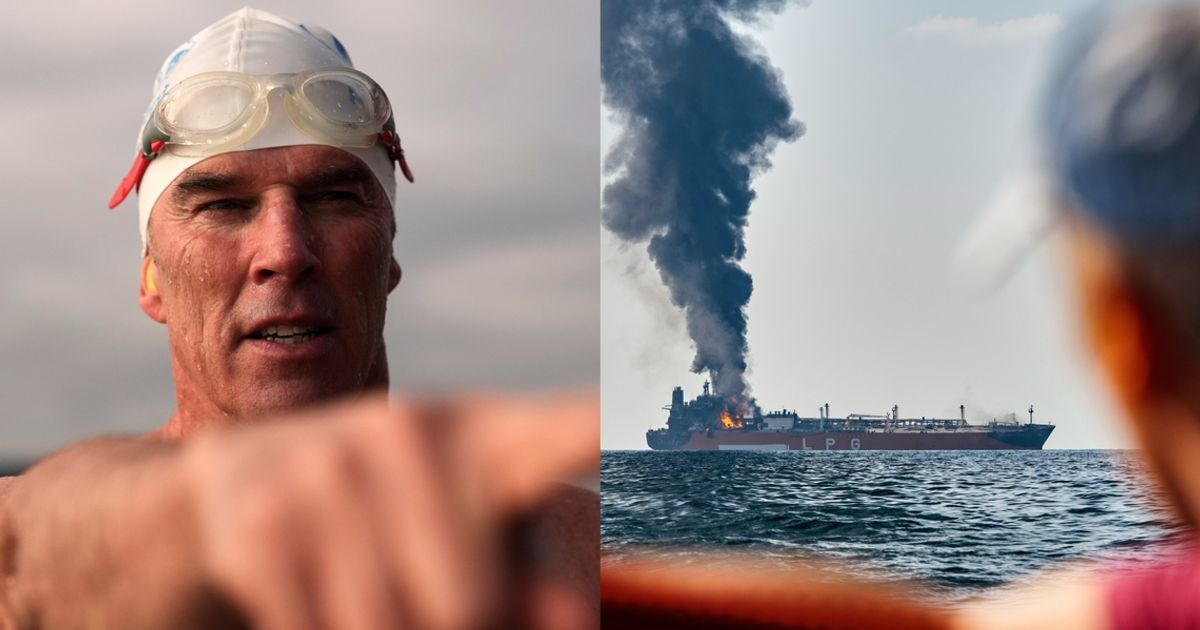
The environmental consequences of this war will last for generations,” Lewis Pugh wrote in a post on his website.
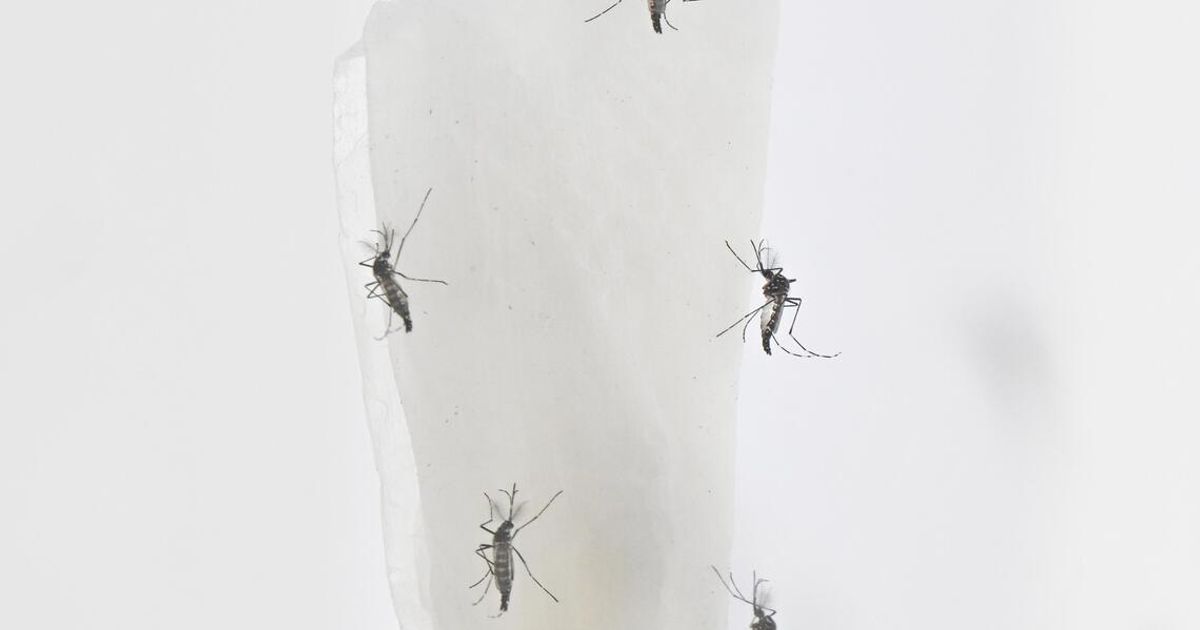
He predicts that pairing more use of these Wolbachia mosquitoes with existing steps to fight mosquito-borne disease could “knock dengue down to much lower levels” in many places.
The Estonian police said on Nov 20 the closure would “make it harder for Russian intelligence services to recruit and influence people, and help prevent sanctions evasion”.
2026-11-21 · assertive framing · Queues in Russian town as Estonia border closure looms
COP31 climate summit risks failure as talks go deep into overtime ANTALYA, Turkey, Nov 21 - The COP31 climate summit will either produce a good deal or no deal at all, the European Union's top climate official said on Saturday as talks stretched deep into overtime.
He was considered one of the leaders of the Beltran Leyva cartel, which had reportedly allied with the Los Mayors faction of the powerful Sinaloa Cartel.
Trump told European leaders they were spending a lot on Ukraine, Zelenskiy says KYIV, Nov 21 - US President Donald Trump told European leaders this week they were spending a lot on the war in Ukraine and could use that money at home if a peace deal were reached with Russia, Ukrainian President Volodymyr Zelenskiy said on Saturday.
Denmark would present its proposals at a meeting of EU ambassadors in Brussels on Monday.
NATO will defend every inch of Polish territory, Rutte says WARSAW, Nov 21 - NATO will defend every inch of Polish territory, NATO Secretary General Mark Rutte said in Warsaw, a day after Poland said Russia violated its airspace with three objects that were probably two missiles and a drone.
The cuts proposed by Antonio Costa, who chairs summits of EU leaders, would reduce the overall seven-year budget by €40 billion to €1.582 trillion compared to a proposal presented by the Irish EU presidency in October, and by €180.6 billion compared to the original Commission proposal.
Catherine, Britain’s Princess of Wales, will reflect on her experience with cancer and recovery in a documentary to be broadcast internationally in November, Kensington Palace said on Nov 21.
Also by The Straits Times
Nothing else under this byline is closely related to this article, so these are simply their most recent.
All 3966 articles by The Straits Times →

Topics

COP31 IEA International Energy Agency PARIS the Iran war

Subjects

IEA ORG · 10× PARIS GPE · 2× Dave Jones PERSON · 1× Fatih Birol PERSON · 1× International Energy Agency ORG · 1× Iran GPE · 1× Laura Cozzi PERSON · 1× Turkey GPE · 1× United Nations ORG · 1× the Associated Press ORG · 1×

Narrative

“The IEA’s latest report makes clear that the fossil energy crisis unleashed by the US-Israel war on Iran has irrevocably changed the global energy system, adding to the many reasons why countries would benefit from a rapid transition to clean energy,” said Rachel Cleetus, climate programme director at the Union of Concerned Scientists, who is at COP31.
framing: assertive · carried by 1 article(s) · first seen 2026-11-21
The greatest energy shock in history and growing climate change concerns are reshaping how the world will power homes, drive cars and fuel industries, said an International Energy Agency report released on Nov 19.

Claims (40 extracted, 5 hedged)

No going back ‘to the way it was’ before the Iran war’s energy shock, IEA says asserted
IEA → go → shock
The greatest energy shock in history and growing climate change concerns are reshaping how the world will power homes, drive cars and fuel industries, said an International Energy Agency report released on Nov 19. asserted
report → grow → Nov
The repercussions from the Iran war will “leave lasting marks” on the world’s energy sector, said the Paris-based IEA, founded after the 1973-74 oil crisis. asserted
IEA → leave → crisis
Energy-hungry nations will prioritise the security and affordability of their electricity, the report said, which will benefit renewable technologies, like solar energy, and other alternatives, like nuclear power. asserted
which → prioritise → power
But it also reinforces the case to keep coal as a backup for times of crisis. asserted
it → reinforce → crisis
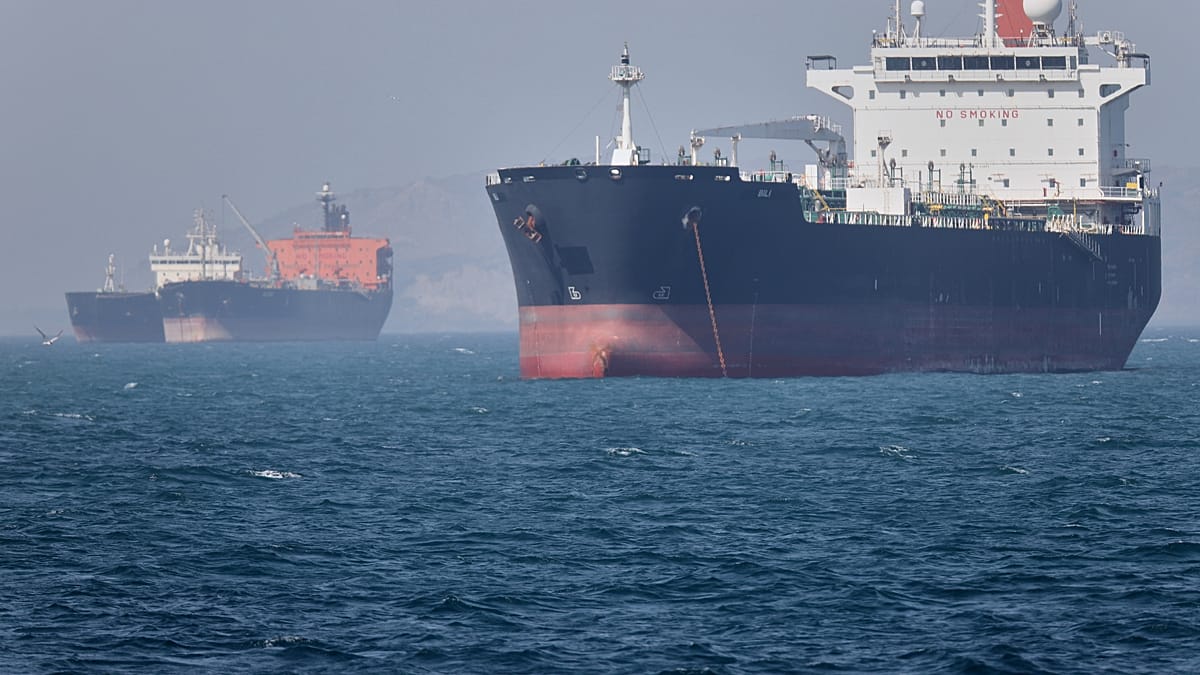
This is especially true in coal-rich Asia, which went into energy triage when the Iran war cut off the Strait of Hormuz, a narrow passageway where about a fifth of the world’s traded oil flowed. asserted
fifth → go → oil
The report looks “past the current turmoil to explore the range of energy futures that could emerge from today’s upheaval,” said IEA executive director Fatih Birol, who warned that “the longer the crisis lasts, the deeper the effects will be.” uncertain
effects → look → upheaval
“I don’t see any credible pathway for the energy world to return to the way it was before,” he said. asserted
he → see → way
The annual United Nations climate talks in Turkey, known as COP31, are in their final week. asserted
talks → know → week
Before these negotiations, the UN announced the world is dangerously close to missing its goal of limiting global warming to 1.5 deg C above pre-industrial temperatures. asserted
world → announce → temperatures
Electrification – the process of powering homes, cars and industries with electricity – and moving away from planet-warming fossil fuels are major issues at COP31. asserted
Electrification → power → COP31
“For the first time, we are actually seeing the policies used to respond to energy security concerns being very strongly aligned with policies needed for energy transitions,” said IEA director of sustainability Laura Cozzi in an interview with the Associated Press. asserted
Cozzi → see → Press
“This is a unique convergence that sees electrification at the heart of crisis response.” asserted
electrification → see → response
Flagship report projects energy future asserted
report → project → future
The IEA is the world’s leading intergovernmental energy organisation, with more than 30 member countries. asserted
IEA → lead → countries
Its flagship report this year analyses government and private data to project various future scenarios based on whether countries stick with current policies or drastically shift because of ongoing crises. asserted
countries → analyse → crises
There is a clear before and after the Iran war for the energy sector, experts said. asserted
experts → be → sector
In March, the IEA coordinated the emergency release of 400 million barrels of crude oil stocks to stabilise global markets. asserted
IEA → coordinate → markets
“When we look at how energy crises change the world over the long term, governments are only just beginning to get their head around just how much things will change,” said Dave Jones, co-founder of the think-tank Ember. asserted
Jones → look → Ember
Conflicts, trade tensions, climate risks and cyberattacks are increasing the number of possible energy futures, and the IEA said the “drive to diversify” fuel supplies will reshape the energy trade. asserted
drive → increase → trade
“The world will not look the same after this crisis, but how we will look exactly, this still depends, and we will see in the next few months,” Cozzi said. asserted
Cozzi → look → months
The IEA projects the Middle East will still be the world’s largest oil exporter, but nations will likely reduce dependence on the Strait of Hormuz. asserted
nations → project → Hormuz
The IEA projects the amount of oil passing the strait could go from 20 million barrels a day before the Iran war, to 8.5 million barrels in 2030, and even under two million barrels by 2035. uncertain
amount → project → 2035
While fossil fuels still dominate energy mixes, the IEA said solar and nuclear power are the “biggest beneficiaries” of governments prioritising domestic energy sources. asserted
power → dominate → sources
“This crisis has exposed the price of fossil fuel dependence,” said Mohamed Adow, director of Power Shift Africa. asserted
Adow → expose → Africa
“It’s crazy that a conflict thousands of miles away can send energy bills soaring at home.” asserted
bills → ’ → home
Energy security concerns, however, may lead nations to rely on coal as a fallback option. uncertain
concerns → lead → option
Michelle Manook of FutureCoal, an industry-backed group formerly known as the World Coal Association, said “for coal-rich economies, domestic coal remains an important energy security asset.” asserted
coal → back → economies
“We see coal has a momentum,” said the IEA’s Birol. asserted
Birol → see → momentum
“We will see if it is long-lived or not.” asserted
it → see → ?
Climate talks eye electrification COP31 follows a year rattled by the Iran war, as well as several climate-induced disasters, like Europe’s deadly heat waves and Nepal’s devastating flooding. asserted
COP31 → follow → waves
Global warming is adding pressure to rising electricity demand. asserted
warming → add → demand
In what the IEA called a “striking milestone,” energy demand for cooling overtook energy demand for heating for the first time this year. asserted
demand → call → time
Cozzi said this is “the beginning of the trend that will last for the next decade and beyond.” asserted
that → say → decade
India, the world’s most populous nation, will account for more energy demand growth over the next decade than anywhere else in the world. asserted
India → account → world
China, already one of the world’s most electrified economies, may see electrification grow from 32% in 2025 to 43% by 2035, the highest among major economies. uncertain
electrification → see → economies
At COP31, Turkey wants the world to increase the share of electricity in total global energy consumption from roughly 21% today to 35% by 2035. asserted
world → want → 2035
While Turkey prefers this to come from renewables, UN documents on the negotiating table don’t spell this out. asserted
documents → prefer → this
That means power plants running on coal and other fossil fuels could be used to supply power grids, at least initially. uncertain
plants → mean → grids
“The IEA’s latest report makes clear that the fossil energy crisis unleashed by the US-Israel war on Iran has irrevocably changed the global energy system, adding to the many reasons why countries would benefit from a rapid transition to clean energy,” said Rachel Cleetus, climate programme director at the Union of Concerned Scientists, who is at COP31. asserted
who → make → COP31
Give feedback · no sign-in needed

No sign-in needed for now. Your note is sent without a name, so it cannot be answered.

History Support