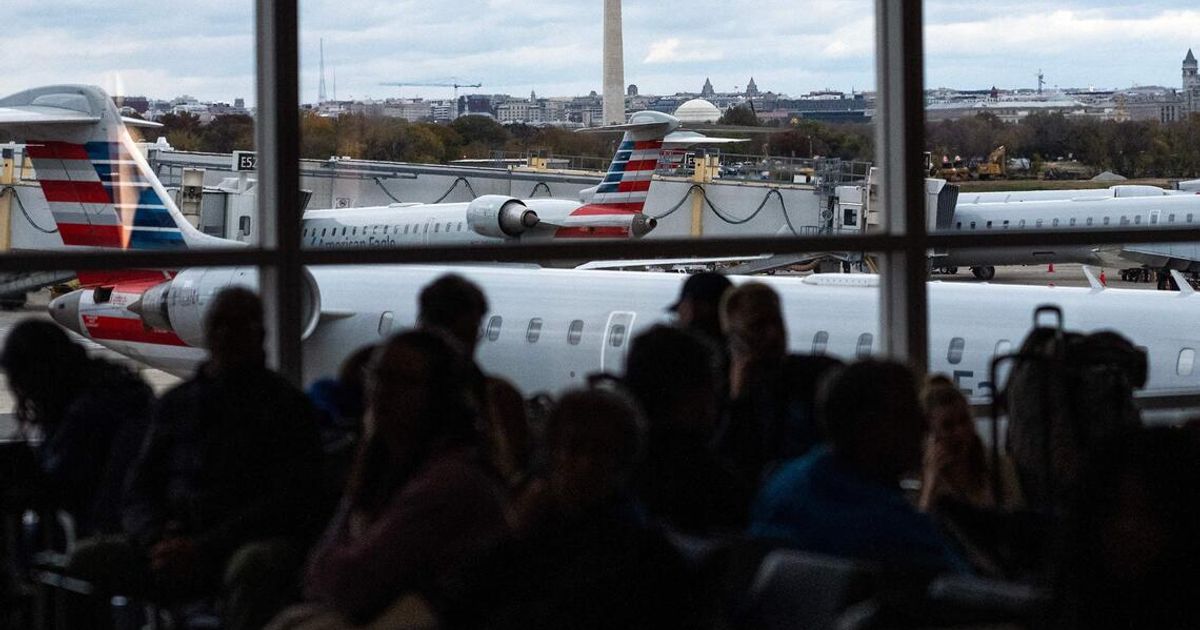
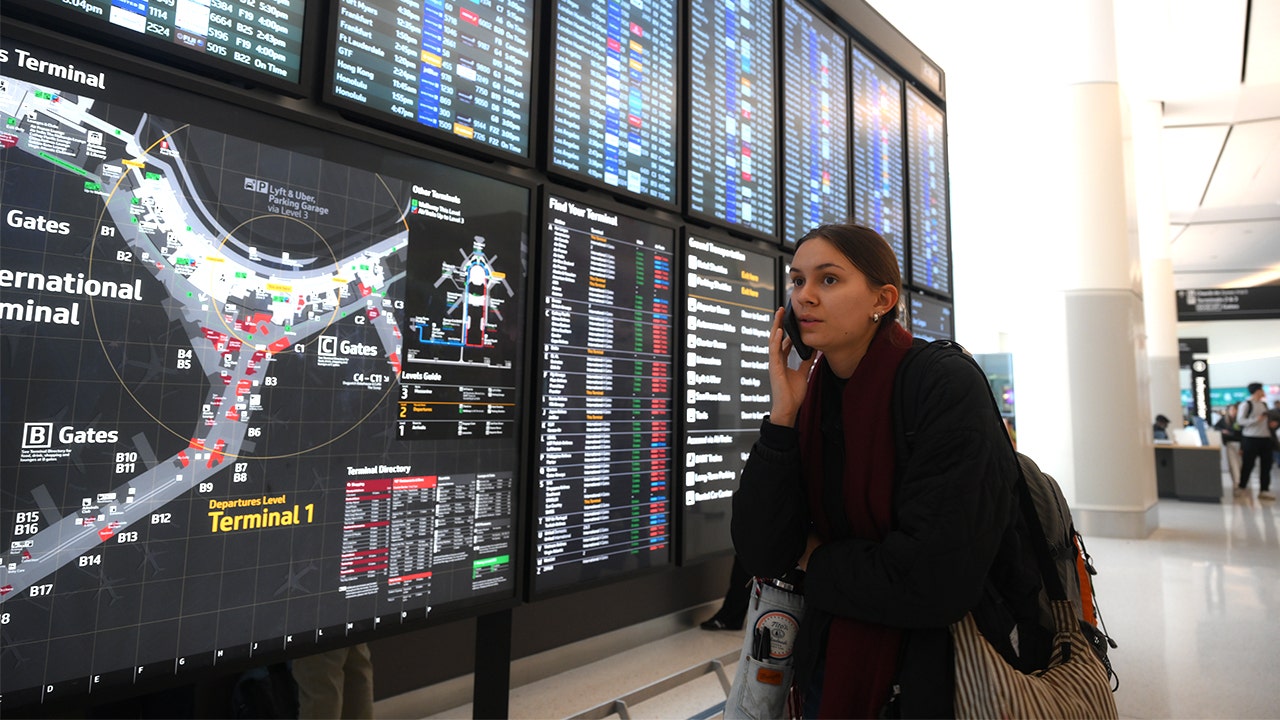
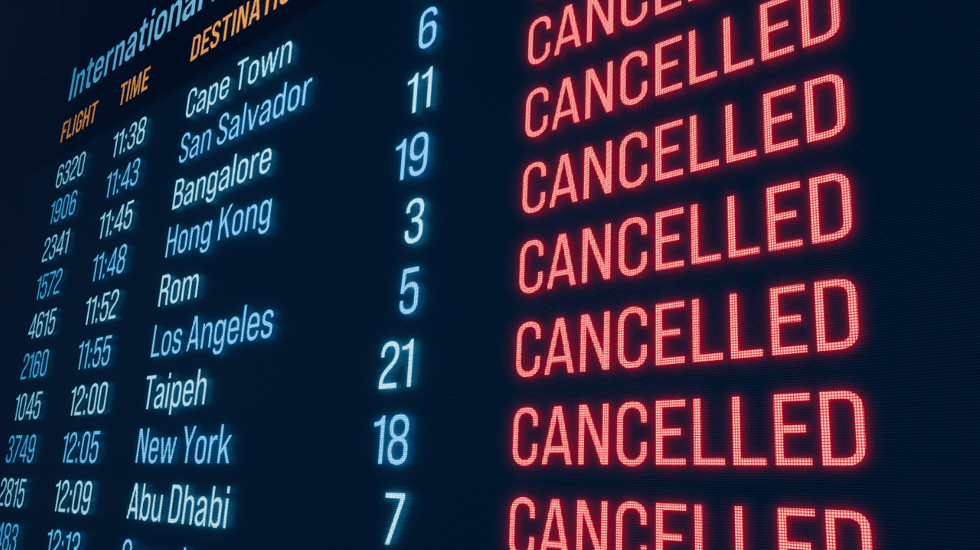
The tottering nature of the U.S. air traffic control (ATC) system was highlighted again last week when the Federal Aviation Administration (FAA) issued a "ground stop," halting flights across the country because of technical issues.
asserted
Administration → highlight → issues
The government is attributing the problem to equipment problems, which is believable for a long-obsolete, government-run system undergoing piecemeal modernization.
asserted
which → attribute → modernization
In fact, the FAA had been warned that disruptions were likely.
asserted
disruptions → warn → fact
After repeated problems, sometimes caused by government shutdowns, it's time to point out once more that the U.S. should follow the lead of other countries and strip politicians of responsibility for something as important as air traffic control.
asserted
U.S. → repeat → control
You are reading The Rattler from J.D. Tuccille and Reason.
asserted
You → read → Tuccille
The Technical Glitch That Grounded a Nation
According to the FAA, last Friday, "the FAA's legacy equipment became unstable when data began flooding the FAA FTI network, at a rate of 1,000 connection attempts every 4 to 5 seconds.
uncertain
data → ground → attempts
This disrupted the system and created instability with aircraft communications and radar feeds."
asserted
This → disrupt → communications
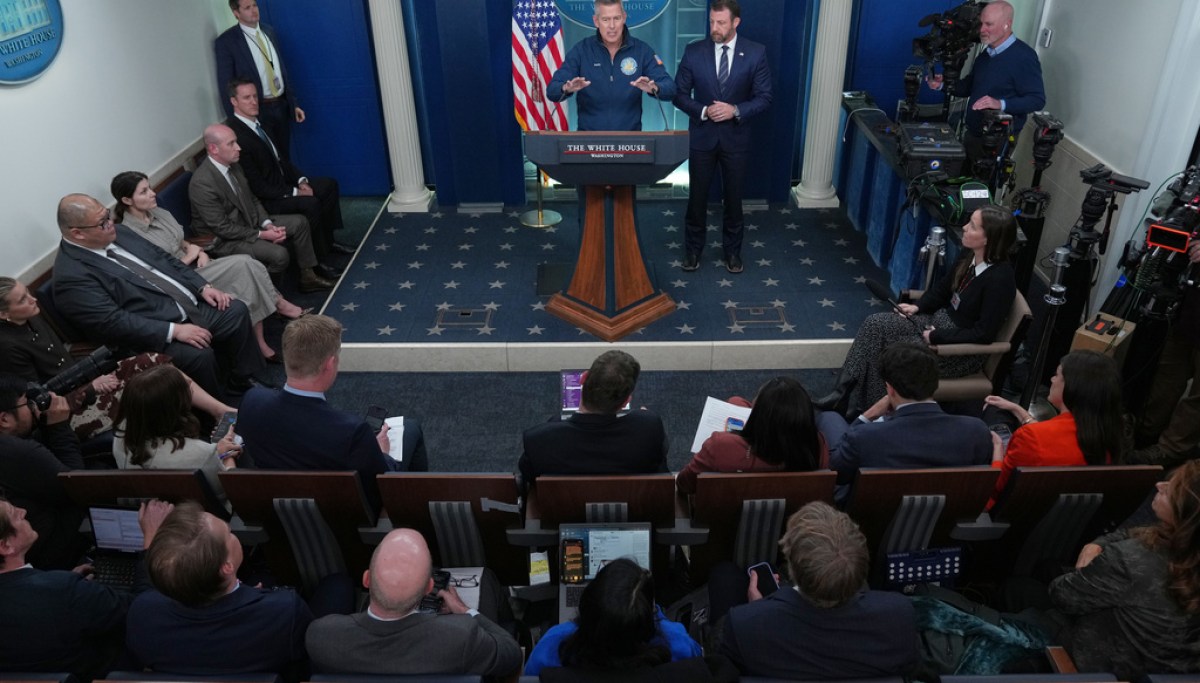
The agency went on to deny that its ongoing efforts to upgrade the aging system are at fault, but Transportation Secretary Sean Duffy added that the problem occurred while L3Harris, a government contractor, "was replacing an old copper wire, which by the way, was going to be discontinued," and when a recently replaced router was turned back on, it flooded the system with data.
asserted
it → go → data
Air traffic control in the U.S. has stuttered in the past, most recently when last year's government shutdown left many federal workers laboring for delayed paychecks—and some air traffic controllers calling in sick.
asserted
controllers → stutter → sick
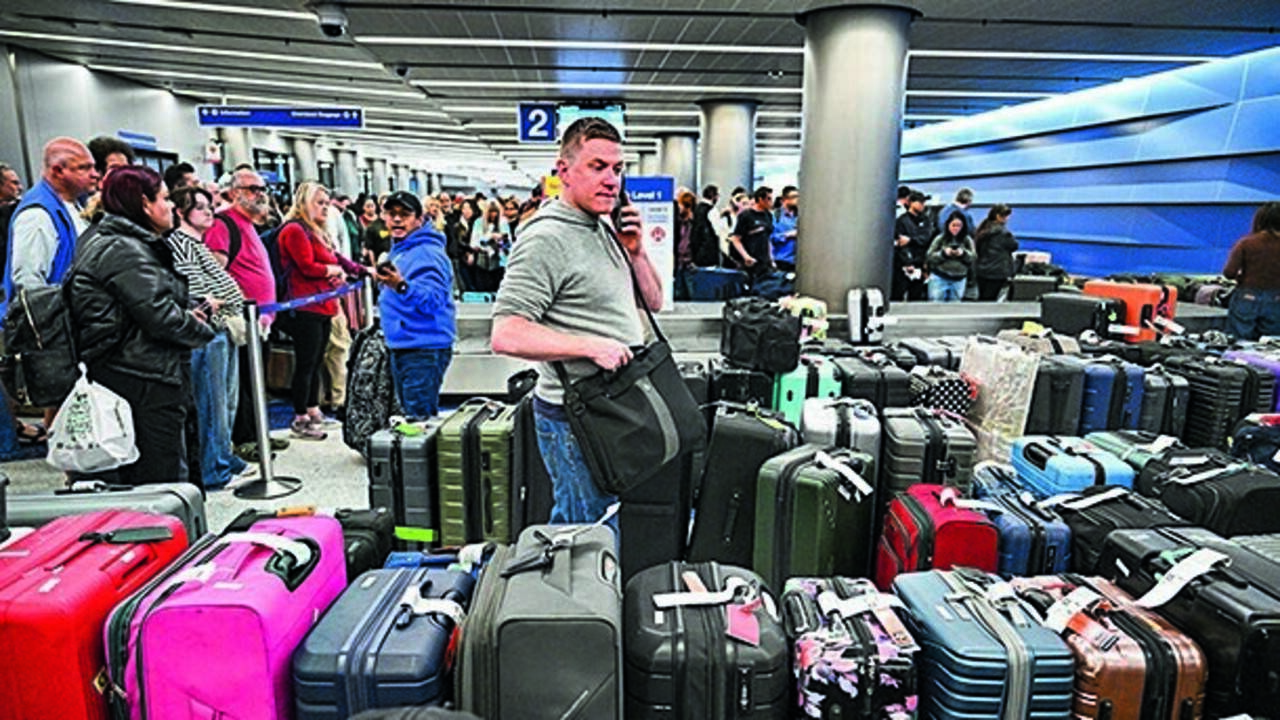
In 2023, a technical glitch in the system caused the delay and cancellation of thousands of flights.
asserted
glitch → cause → flights
The creaky system has caused worries for years, inspiring modernization efforts.
asserted
system → cause → efforts
Just two weeks ago, Duffy boasted that the FAA is finally retiring 1980s-era floppy disks.
asserted
FAA → boast → disks
But the upgrade program also causes concerns.
asserted
program → cause → concerns
"We agree with the need to significantly accelerate the modernization of these ATC systems and applaud FAA's initial progress.
asserted
We → agree → progress
However, in the interest of expediency, FAA is introducing additional risk," the Government Accountability Office (GAO) warned just two months ago.
asserted
Office → introduce → risk
"In essence, the FAA is buying delivery speed at the risk of cost uncertainty and potential disruptions.
asserted
FAA → buy → uncertainty
The net effect could be that air traffic controllers are forced to continue to rely on severely outdated systems that are prone to failure leading to more system outages, ground stops, flight delays, or worse—safety incidents.
uncertain
that → force → outages
In 2005, the GAO cautioned that "the Federal Aviation Administration's (FAA) multibillion-dollar effort to modernize the nation's air traffic control (ATC) system has suffered from cost, schedule, and/or performance shortfalls in its system acquisitions for more than two decades and has been on our list of high risk programs since 1995.
asserted
effort → caution → 1995
After decades of increasingly serious glitches, warnings, and ambitious upgrade plans, the air traffic control system still teeters on the edge of failure, and it just tipped over the edge—although temporarily.
asserted
it → teeter → edge
Today, roughly 100 countries receive their air traffic control services from user-funded utilities.
asserted
countries → receive → utilities
Australia, Canada, Germany, and the U.K. all have newer, more-advanced technology than our Federal Aviation Administration (FAA), and all of them are self-funded and independent of government budgets," Robert Poole of the Reason Foundation, which publishes Reason, wrote last November.
asserted
which → have → Reason
Poole and his colleagues have worked on the ATC issue for years, calling repeatedly for depoliticization and more private sector involvement.
asserted
Poole → work → depoliticization
In July of this year, industry consultant John Kefaliotis wrote for the Reason Foundation that "Canada provides a working model of a successful transition from a tax-funded air traffic control system chronically short of adequate revenue and long-term financing to a sustainable, adaptable non-profit commercial structure capable of continuous modernization."
asserted
Canada → write → modernization
Hoover Institution research fellow David R. Henderson, a former adviser to the Reagan administration, agrees with that suggestion.
asserted
Henderson → agree → suggestion
He points out that the then-financially strapped Canadian government divested itself of ATC responsibilities in the 1990s.
asserted
government → point → 1990s
"In 1996, partly to save money and partly to improve air navigation, the feds sold the system to a private nonprofit company called Nav Canada," he noted after the 2023 U.S. ATC outage.
asserted
he → save → outage
"Almost immediately, Nav Canada acted to upgrade technology.
asserted
Canada → act → technology
How has Nav Canada performed?
asserted
Canada → perform → ?
Henderson pointed to a Reason Foundation study that found "Nav Canada has speeded up modernization, dramatically increased efficiency and productivity, and cut user fees by one-third."
asserted
Canada → point → third
Chris Edwards of the Cato Institute also likes that model.
asserted
Edwards → like → model
In 2024, he emphasized that "the privatized Canadian system has won numerous international awards and is a leader in many technologies.
asserted
system → emphasize → technologies
Canada and Europe are ahead of us, for example, on remote or digital towers, which surround runways with cameras and sensors to feed large video screens in control buildings."
asserted
which → surround → buildings
The Reagan administration considered the idea, and the Clinton administration floated a proposal for spinning it off into a user-funded corporation.
asserted
administration → consider → corporation
Under the first Trump administration, then-House Transportation and Infrastructure Committee Chairman Bill Shuster (R–Penn.) pushed for a Canadian-style ATC system separate from the government.
asserted
Shuster → push → government
He dropped it under pressure from entrenched interests.
asserted
He → drop → interests
"Despite an unprecedented level of support for this legislation—from bipartisan lawmakers, industry, and conservative groups and labor groups alike—some of my own colleagues refused to support shrinking the federal government by 35,000 employees, cutting taxes, and stopping wasteful spending," Shuster said at the time.
asserted
Shuster → refuse → time
He left Congress in 2019, though he continues to favor privatization.
asserted
he → leave → privatization
Shuster's failed effort was the last serious attempt to reform air traffic control rather than prop up the decaying government scheme.
asserted
effort → fail → scheme
After last week's ground stop, Duffy asked for an additional $50 billion to, hopefully, get the long-delayed modernization effort completed.
asserted
effort → ask → billion
Maybe the U.S. government will finally succeed at making government a competent manager of air traffic control—a sensitive responsibility over which other governments have surrendered, one after another.
asserted
governments → succeed → another
…and 1 more, not listed.
 The Aporia