Photo via TIME

Over 400 American AI Data Centers Use As Much Electricity As Wisconsin, Michigan, or Indiana

Read the original at TIME ↗
Cite

Shah, S. (2026, November 16). Over 400 American AI Data Centers Use As Much Electricity As Wisconsin, Michigan, or Indiana. TIME. https://time.com/article/2026/11/16/ai-data-centers-electricity-carbon-emissions-study/

Dated from the outlet's own feed. Check the original for its byline.

TIME · collected 2026-11-16 · by Simmone Shah

Quick Summary

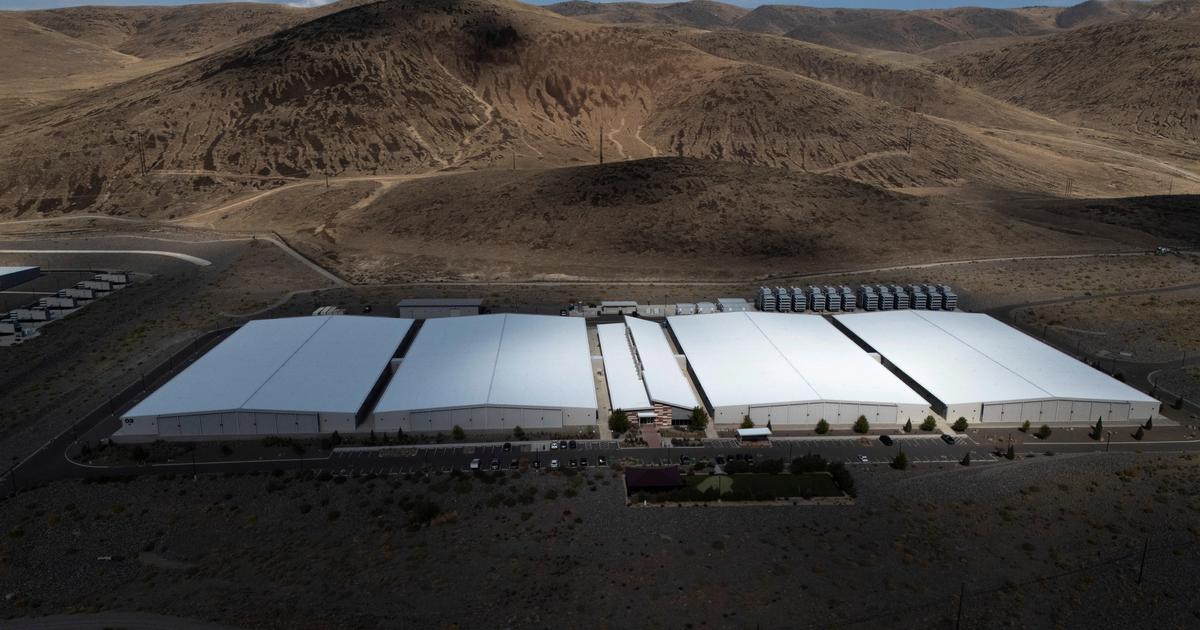
A new study published in Nature Sustainability reports that over 400 American hyperscale data centers use between 68 and 99 terawatt-hours of electricity annually, equivalent to the annual electricity consumption of entire U.S. states like Wisconsin or Indiana. The study, which used satellite imagery and EPA data, found that these data centers emit approximately 25.7 million metric tons of carbon dioxide, nearly matching Denmark’s annual emissions. Over half of the electricity used by these centers comes from fossil fuels, primarily natural gas and coal, and the concentration of usage is heavily skewed towards states like Virginia, Oregon, Ohio, and Iowa.
Written by AI on 2026-11-16, from this article's own text only (the story summary below draws on all the coverage).
See how they differ ↓

AI analysis

Story summary

A new Harvard University study published in *Nature Sustainability* finds that the largest data centers in the U.S. collectively emitted approximately 25.7 million metric tons of carbon dioxide in a year, equivalent to Denmark's total annual emissions. The study analyzed 403 hyperscale data centers between May 2024 and April 2025, revealing that more than half of their electricity was generated from fossil fuels. This research highlights the significant environmental impact of these facilities, particularly as the growth in artificial intelligence accelerates demand.

Written for “US Data Center Emissions Rival Countries” on 2026-11-21, grounded in this article and the 5 other(s) covering the same event.

How they differ

6 outlets covered “US Data Center Emissions Rival Countries”.

What each outlet says

One AI summary per outlet of its latest article on this story, written from that article alone and checked against it. Open the article for the outlet's own words.

TimeThis outlet16 Nov

A new study published in Nature Sustainability reports that over 400 American hyperscale data centers use between 68 and 99 terawatt-hours of electricity annually, equivalent to the annual electricity consumption of entire U.S. states like Wisconsin or Indiana. The study, which used satellite imagery and EPA data, found that these data centers emit approximately 25.7 million metric tons of carbon dioxide, nearly…

Over 400 American AI Data Centers Use As Much Electricity As Wisconsin, Michigan, or Indiana (this article)
The Guardian16 Nov

A new study published in Nature Sustainability reports that the construction of large datacenters in the US, primarily for handling AI growth, has emitted approximately 25.7 million metric tons of carbon dioxide, equivalent to Denmark’s annual emissions. Conducted until April 2025, the research analyzed 403 “hyperscaler” datacenters, which consumed between 68 to 99 terawatt-hours of electricity, with over half…

Surge of US datacenters adds equivalent of Denmark’s annual emissions, study finds →
Toronto Star16 Nov

A Harvard University study published in Nature Sustainability estimates that the 400 largest data centers in the United States emitted approximately 28.3 million tons of carbon dioxide in one year, surpassing Denmark's annual emissions and reflecting significant pollution from fossil fuels. This research coincides with the launch of a voluntary pledge at the UN COP31 climate talks in Turkey, encouraging companies…

Study estimates magnitude of US data center pollution as climate talks unveil clean AI pledge →
CBC16 Nov

A Harvard University study reveals that the 400 largest data centers in the U.S. emitted approximately 28.3 million tons of carbon dioxide in a year, more than Denmark's annual emissions. The study highlights that over half of these data centers' electricity usage comes from fossil fuels, contributing significantly to global warming. This report coincides with discussions at COP31, where a pledge was launched to…

Data centres in the U.S. put out more carbon emissions in a year than Denmark, says Harvard study →
Semafor17 Nov

A study published in Nature Sustainability estimates that US data centers emit 25.7 million metric tons of carbon annually, comparable to Denmark's total emissions. Harvard researchers found 403 data centers consume nearly 2% of US electricity, mostly from fossil fuels. Major contributors include sites in Iowa, Ohio, and Virginia, which account for about half of the estimated emissions. The study, though not…

US data center emissions rival entire countries →
CBS News18 Nov

Harvard University researchers found that the largest U.S. data centers, known as hyperscale data centers, consumed 82 terawatt-hours of electricity—equivalent to the energy use of a state like Missouri or a country like Denmark—between 2024 and 2025, which is about 1.8% of all U.S. electricity. The study, published in Nature Sustainability, analyzed 403 facilities and estimated their total carbon emissions at…

Largest U.S. data centers use as much power as some countries →

Where they agree and split

Framing

How the first headlines put it

Attributed to a source1
Stated as fact3
The headlines (4)

Data centres in the U.S. put out more carbon emissions in a year than Denmark, says Harvard study CBC · attributed to a source

Surge of US datacenters adds equivalent of Denmark’s annual emissions, study finds The Guardian · stated as fact

Study estimates magnitude of US data center pollution as climate talks unveil clean AI pledge Toronto Star · stated as fact

Over 400 American AI Data Centers Use As Much Electricity As Wisconsin, Michigan, or Indiana Time · stated as fact

The full story: what happened, how it changed, and all 6 articles →

Compared with similar articles

This article reads leans left and hedges 11% of its claims. Each row says how that neighbour differs.
CBC News
Hedges 8 of 36 claims Outlet record 60/100
Semafor
Hedges 2 of 6 claims Outlet record 64/100
Semafor
Leans right further right than this Hedges 1 of 13 claims Outlet record 64/100
“Article A reports on a study about the energy consumption of American AI data centers, while Article B discusses a backlash against data center expansion and its impact on recent elections.”
Semafor
Leans left Hedges 2 of 5 claims Outlet record 64/100
“Article A reports on a study published in Nature Sustainability about electricity usage and carbon emissions from AI data centers, while Article B discusses opinions from tech leaders regarding potential backlash and a slowdown in the AI buildout at a conference.”
Toronto Star
Leans strongly left further left than this Hedges 8 of 37 claims Outlet record 65/100
“While both articles discuss the same study and mention data center pollution, they focus on different aspects and details, indicating they may be referring to separate releases or summaries of the same study rather than the same specific event.”
CBS News
Hedges 3 of 21 claims Outlet record 66/100
“The articles discuss similar topics but refer to different research periods and specific details, suggesting they are reporting on related but distinct findings.”
The Guardian
Leans left Hedges 6 of 26 claims Outlet record 64/100
“While both articles discuss the environmental impact of datacenters in the US, they focus on different aspects and do not describe the same specific event or incident.”
CBS News
Hedges 1 of 2 claims Outlet record 66/100
“The articles discuss the same general topic but refer to different time frames and studies, with Article A mentioning a study published in Nature Sustainability and Article B focusing on a study from 2024.”

Story

US Data Center Emissions Rival Countries
Environment · 6 article(s) covering the same event. Compare every outlet's account →
How this article was measured signals, leaning charts, publisher record, byline, topics and claims

Signals How these are calculated →

Claims extracted
27
sentences that state something as happening or true
Uncertain
11%
3 of 27 hedged ("reportedly", "may", "according to")
Leaning
Leans left
of the writing, not the subject · beta estimate
Publisher signals
60/100
TIME's corrections and hedging, across everything collected from it. Not a measure of accuracy.
Outlets on this story
6
Environment
Same framing elsewhere
1
articles that frame the event the way this one does
Analyzed 2026-11-16 · how these are computed

How this is being covered How these are calculated →

Article leaning vs. publisher reliability
Source leaning vs. consistency

Publisher

TIME · 1081 article(s) · 2 correction(s) detected
Running correction rate · 2 correction(s)

Who wrote this

Simmone Shah
19 article(s) here · 1 carrying a prediction
The bill—which has divided environmentalists and clean energy advocates—will now face a final Senate vote before moving to the House of Representatives.
As the world reckons with what is set to be the strongest El Niño in recorded history, combined with a potential cold-snap from the polar vortex expected next week, holiday travels this year could be at risk of more weather-related delays and cancellations.
That number is only expected to grow: the research firm Synergy estimates that the total capacity of U.S. data centers will double in the next three years, largely driven by the growth of hyperscale data centers.
A record-early breakdown of the polar vortex is expected to bring cold weather to the United States by the end of the month.
Yet on the other side of the transition, he noted, are people like Bennie, a supervisor at one of South Africa's oldest coal-fired power stations who might soon see the place he has worked at for much of his career sunset.
Two of the world’s three biggest emitters are expected to see a drop in emissions.
2026-11-10 · assertive framing · Fossil Fuel Emissions Are Expected to Decrease in 2026
Following two years of anti-climate legislation from Washington, Tuesday’s blue tidal wave—giving Democrats control of both the Senate and the House—could provide an opportunity to change course.
When confronted with a rotting, deflating carved pumpkin, your first instinct might be to beeline to the trash as quickly as possible.
With Democrats being significantly more likely to view climate action as a priority, many in the climate movement are hopeful that if the Democrats take back some leadership in Congress, as it could prove essential in helping to prevent further rollbacks.
Combined, all of the world’s private jets emit more in 2 seconds than someone in the world’s poorest 50%, those annually making an average of $1,500, would emit in a year.
Also by Simmone Shah
Nothing else under this byline is closely related to this article, so these are simply their most recent.
All 19 articles by Simmone Shah →

Topics

America Nature Sustainability U.S. Virginia the United States

Subjects

Iowa GPE · 4× Virginia GPE · 4× Ohio GPE · 3× Oregon GPE · 3× U.S. GPE · 3× America GPE · 1× American NORP · 1× Nature Sustainability ORG · 1× Synergy ORG · 1× the United States GPE · 1×

Narrative

The researchers identified 26 hyperscale facilities in Iowa, combined electricity consumption for which was approximately 7.2 TWh, with the average facility having substantially higher estimated electricity demand than the average facility in Virginia, where 142 hyperscale facilities account for approximately 21.4 TWh of annual electricity consumption.
framing: assertive · carried by 1 article(s) · first seen 2026-11-16
That number is only expected to grow: the research firm Synergy estimates that the total capacity of U.S. data centers will double in the next three years, largely driven by the growth of hyperscale data centers.

Claims (27 extracted, 3 hedged)

America’s hyperscale data centers together use as much electricity as some entire U.S. states and produce millions of metric tons of carbon dioxide over the course of a year, according to a new study published Monday in Nature Sustainability. uncertain
centers → use → Sustainability
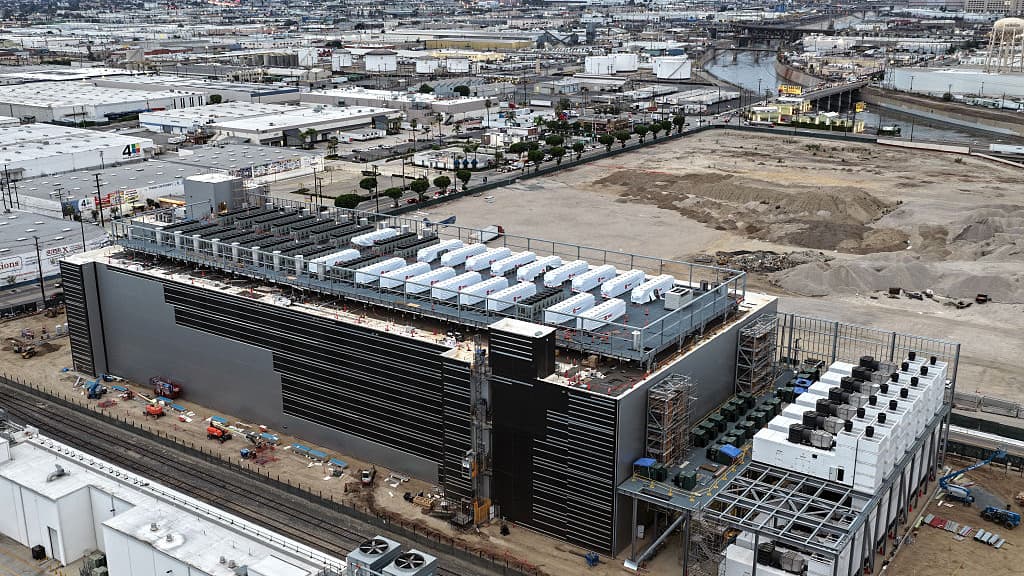
The number of hyperscale data centers, which are larger and more powerful than traditional data centers, and are often used to train and run large-scale AI models, has exploded in recent years. asserted
which → use → years
Between 2019 and 2024, the number of data centers around the world doubled from a little over 500 to over 1,100, with more than half located in the United States. asserted
half → double → States
That number is only expected to grow: the research firm Synergy estimates that the total capacity of U.S. data centers will double in the next three years, largely driven by the growth of hyperscale data centers. asserted
capacity → expect → centers
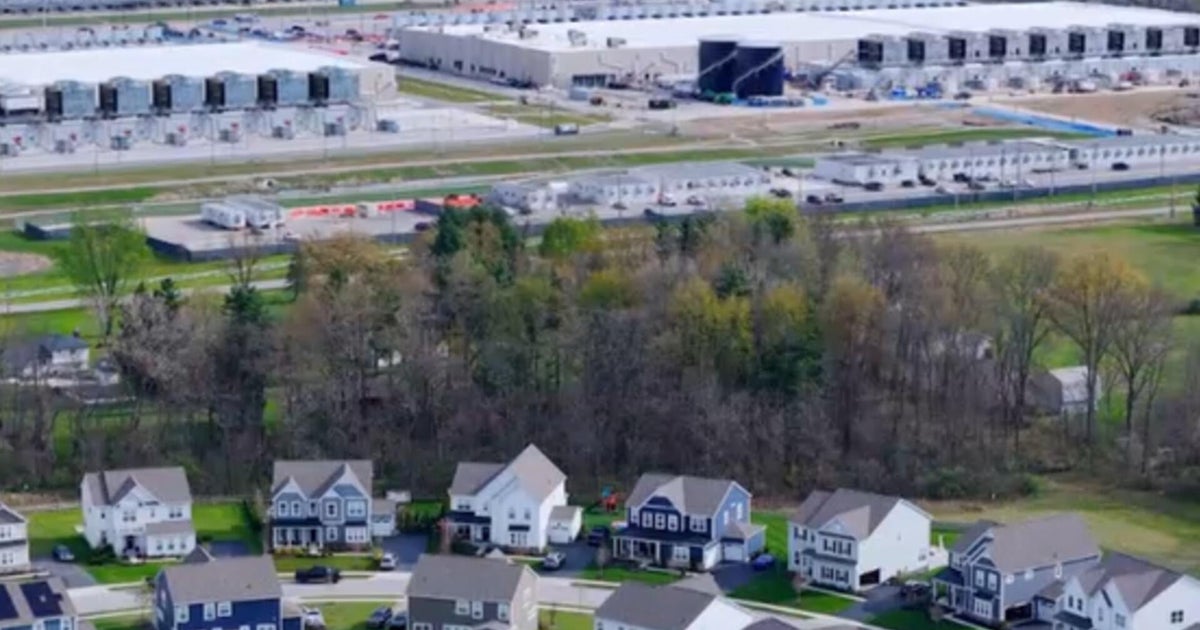
American voters rallied against data center development in the midterm elections this November, with many citing economic and environmental concerns. asserted
many → rally → concerns
In 40 out of 41 local ballot initiatives across the country, citizens voted to limit or prevent data center development. asserted
citizens → vote → development
Yet few studies have quantified just how much electricity each hyperscale data center uses, and what fuels generate the electricity, the researchers say. asserted
researchers → quantify → electricity
“Even though there were a lot of [public and scientific] statements about the environmental impact of data centers, when we started this research, we realized that there was basically very little, if none, peer-reviewed data,” says Francesca Dominici, director of the Harvard Data Science Initiative and senior author of the paper. asserted
Dominici → be → paper
The study provides one of the first facility-level estimates of the electricity use and carbon dioxide emissions of hyperscale data centers since the rise of AI. asserted
study → provide → AI
The researchers used satellite imagery to build a list of 403 hyperscale data centers across the U.S., and then estimated the annual electricity consumption for each facility between May 2024 and April 2025 under a range of operating scenarios. uncertain
researchers → use → scenarios
They then used data from the U.S. Environmental Protection Agency to calculate their emissions. asserted
They → use → emissions
They found that, together, the data centers used between 68 and 99 terawatt-hours (TWh) of electricity—with the upper estimate equivalent to what some states, like Indiana, Michigan, and Tennessee, use in a year. asserted
states → find → year
In the lower scenario, the facilities still consumed approximately the annual electricity sold to customers in Wisconsin, roughly 70 TWh, or Minnesota, around 65 TWh. asserted
facilities → consume → Wisconsin
More than half of the electricity powering the data centers comes from fossil fuels, primarily natural gas and coal. asserted
half → power → fuels
The facilities studied produced a combined estimated 25.7 million metric tons of carbon dioxide—roughly the annual emissions of Denmark. asserted
facilities → study → Denmark
Half of the electricity use of all the data centers studied was concentrated in just four states: Virginia, Oregon, Ohio, and Iowa, the report found. asserted
report → study → states
Virginia has long been known as “data center alley” due to its high number of data centers, but size and power capacity can also impact electricity consumption. asserted
size → know → consumption
The researchers identified 26 hyperscale facilities in Iowa, combined electricity consumption for which was approximately 7.2 TWh, with the average facility having substantially higher estimated electricity demand than the average facility in Virginia, where 142 hyperscale facilities account for approximately 21.4 TWh of annual electricity consumption. asserted
facilities → identify → consumption
Virginia, Iowa, and Ohio have the most emissions attributable to hyperscale data centers, while Oregon, which is home to more hyperscale data centers than Iowa and Ohio, has significantly fewer emissions due to a cleaner energy grid. asserted
which → have → grid
“For the same amount of electricity consumed, the regional electricity mix associated with data centers in Wyoming produces approximately seven times more carbon dioxide than in Oregon,” says Gianluca Guidi, Harvard data scientist and the study’s lead author. asserted
Guidi → consume → Oregon
Geography matters. asserted
Geography → matter → ?
Without clean energy alternatives, U.S. data centers are projected to consume more natural gas than most countries by 2035, according to a report from BloombergNEF. uncertain
centers → project → BloombergNEF
The electricity demand and carbon emissions are likely even higher than the research shows. asserted
research → show → ?
The team did not have enough data to assess every single hyperscale data center in the U.S. at the time, and more data centers have emerged since their study concluded in April 2025. asserted
study → have → April
The researchers hope to continue to quantify the environmental impacts of hyperscale data centers to better understand their impact on air pollution, water, and health, adding that, as AI continues to scale, its infrastructure growth must be done sustainably. asserted
growth → hope → pollution
“We tend to imagine AI as something that is almost immaterial, but in the end, the infrastructure power is profoundly physical,” says Guidi. asserted
Guidi → tend → end
“Behind every algorithm, there are enormous buildings, power plants, water resources, and ultimately also communities that live with the consequences.” asserted
that → be → consequences
Give feedback · no sign-in needed

No sign-in needed for now. Your note is sent without a name, so it cannot be answered.

History Support