That is 0 articles you have read today.
The Aporia is free and carries no advertising, so readers are the only
thing paying for it. If you are getting this much out of it, a small
donation is what keeps it independent.
You have read 0 articles today.
That is more than the 15 a day The Aporia gives away,
and well past what it can carry on nothing. Your allowance resets at
midnight.
There is no advertising here and nothing about you is sold, so readers
are the only thing paying for it. If the site is worth this much of
your day, it is worth a few dollars.
Everything else stays open: the front page, the
directory and search do
not count against this, and neither does re-opening something you have
already read today.
Hertling, M. (2026, September 17). The True Costs of the Iran War. The Bulwark. https://www.thebulwark.com/p/the-true-costs-of-the-iran-war-38-billion-cbo-estimate-interceptors
Hertling, Mark. “The True Costs of the Iran War.” The Bulwark, 17 Sept. 2026, https://www.thebulwark.com/p/the-true-costs-of-the-iran-war-38-billion-cbo-estimate-interceptors.
Hertling, Mark. “The True Costs of the Iran War.” The Bulwark, September 17, 2026. https://www.thebulwark.com/p/the-true-costs-of-the-iran-war-38-billion-cbo-estimate-interceptors.
Dated when The Aporia collected the article, usually within hours of publication. Check the original for its exact date and byline.
The Bulwark
· collected 2026-09-17 · by Mark Hertling
commentary
Quick Summary
The Congressional Budget Office reported that the war with Iran has cost approximately $38 billion from its start through August 1, according to estimates provided by the Department of Defense. The article is behind a paywall and requires subscription to access full details.
Written by AI on 2026-09-17,
from this article's own text only (the story summary below draws on all the coverage).
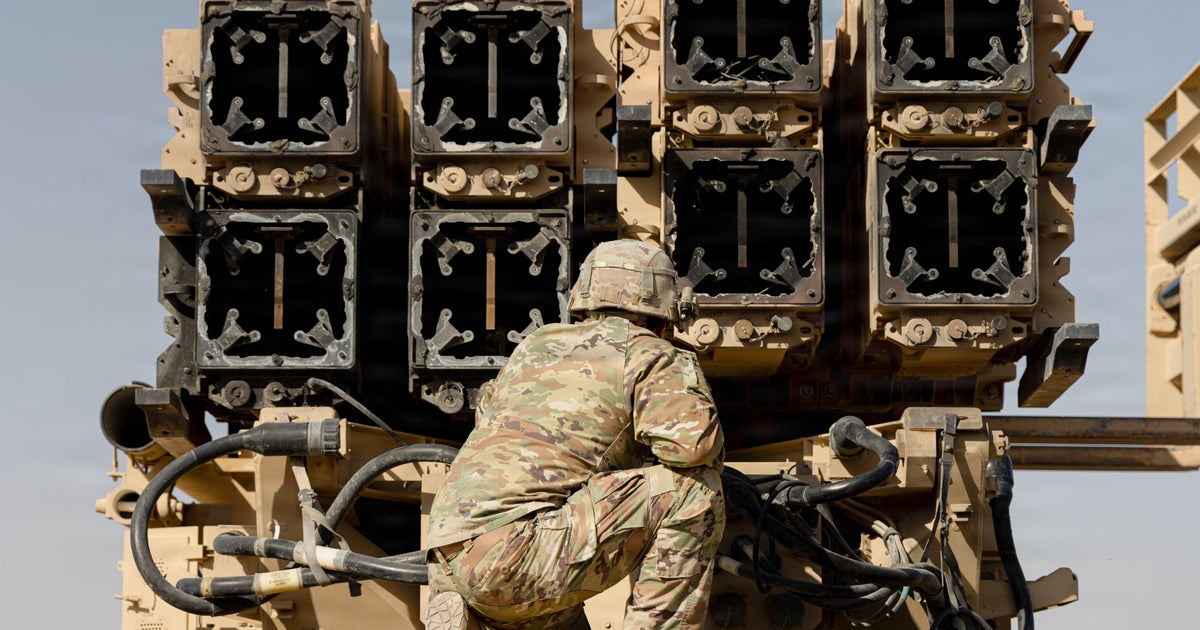
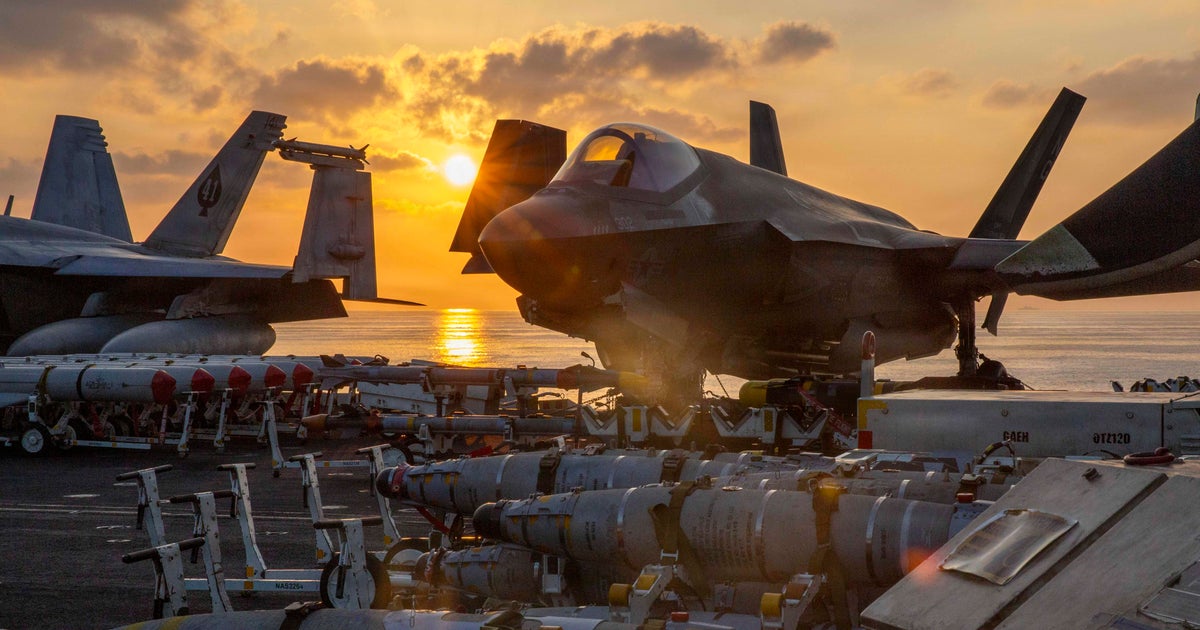
As of August 1, 2026, the armed conflict with Iran has cost the U.S. military approximately $38 billion, according to a report by the Congressional Budget Office (CBO). The war began in late February following US-Israeli strikes targeting Iran. Monthly costs could range between $2 billion and $3 billion depending on the intensity of violence, with inflation rates projected to rise due to increased energy prices. The CBO highlights that fewer oil and natural gas shipments through critical passageways like the Strait of Hormuz are exacerbating inflation. Additionally, the war has significantly depleted U.S. inventories of missiles and anti-air defense weapons, potentially leaving the Pentagon vulnerable if another major conflict arises within the next five years.
Written for “Iran War Costs Usa” on 2026-11-21,
grounded in this article and the 5 other(s) covering the same event.
How they differ
6 outlets covered “Iran War Costs Usa”.
What each outlet says
One AI summary per outlet of its latest article on this story, written from that article alone and checked against it. Open the article for the outlet's own words.
The BulwarkThis outlet17 Sep
The Congressional Budget Office reported that the war with Iran has cost approximately $38 billion from its start through August 1, according to estimates provided by the Department of Defense. The article is behind a paywall and requires subscription to access full details.
The True Costs of the Iran War (this article)CBS News15 Sep
The nonpartisan Congressional Budget Office released a report on Tuesday estimating that a war with Iran would cost between $2 billion and $3 billion per month. From February 28 to August 1, the direct costs of the conflict have been approximately $38 billion, excluding repair expenses for damaged U.S. bases in the region. The CBO highlights significant depletion of missile inventories and potential industrial…
The nonpartisan Congressional Budget Office (CBO) reports that the U.S. war with Iran has cost $38 billion through early August and is projected to add another $2 to $3 billion per month, potentially increasing inflation by half a percentage point. The CBO warns of severe depletion in weapon stocks, which could take up to five years to replenish, significantly hampering the Pentagon's readiness for future conflicts.
The Congressional Budget Office reports that the war with Iran has caused more than one-third of the inflation increase this year and forecasts higher inflation rates into 2027. The report attributes the rising costs mainly to reduced oil and natural gas shipments through critical shipping lanes, leading to a significant rise in gasoline and diesel prices. Interest rates are expected to continue increasing, making…
The Congressional Budget Office reported that as of August 1, 2026, the war with Iran has cost the US military approximately $38 billion, with potential monthly expenses ranging from $2 billion to over $3 billion depending on conflict intensity. The CBO’s analysis was requested by Democratic lawmakers and includes inflationary pressures due to disruptions in oil and natural gas supplies following Iran's blockade of…
The Congressional Budget Office reported this week that the United States' ongoing war with Iran has already cost $38 billion, with an additional $3 billion per month if the conflict continues. This financial strain includes dwindling munitions stockpiles and potential inflation increases of 0.5 percentage points in the first quarter of 2027. The report highlights concerns over national debt surpassing $40 trillion…
“The articles describe different aspects of the war cost issue: one reports on the CBO's cost estimate and the other on Democratic senators requesting a detailed accounting from the Pentagon.”
Leans left
Hedges 0 of 46 claimsOutlet record 60/100
“The articles describe different aspects of the financial and material costs of the war with Iran, but they do not report on the exact same incident or time period.”
Leans left
Hedges 5 of 31 claimsOutlet record 67/100
“Article A discusses a Pentagon Inspector General’s report on the impact and cost of the war on Iran, while Article B mentions a Congressional Budget Office accounting of the financial costs. Though related, they are distinct reports from different bodies.”
“The articles discuss different aspects of the costs associated with the Iran war, one focusing on military expenditures and damages reported by the Pentagon inspector general, while the other focuses on a broader financial cost estimate released by the Congressional Budget Office.”
“The articles discuss costs associated with the Iran war, but occur on different dates and provide different cost figures ($33.4 billion vs $38 billion).”
“The articles discuss different organizations reporting on costs related to the war with Iran, but they cite distinct figures and sources: one from the Pentagon inspector general's report ($33.4 billion) and another from the Congressional Budget Office ($38 billion).”
To really understand whether Americans should be concerned about this report would require knowing more about the credibility of the anonymous sources and the nature of their information.
Chávez was distancing himself from the United States and establishing closer ties with Cuba—and in the coming years would develop increasingly close relationships with Russia, China, and Iran.
His recent number-one bestseller, Ransom, features asymmetric drone attacks that will seem eerily familiar to readers following security news from Europe, where headlines this month told of myriad bomb threats to commercial aircraft, forcing flight diversions, emergency landings, and even the scrambling of NATO fighter aircraft.
They also examine how Hegseth has turned the job of Secretary of Defense into a partisan political operation, why he has failed to grow into the role, and what an impeachment fight could mean for the Pentagon.
A recording from The Bulwark’s live video
Ben Parker and Lt. Gen. Mark Hertling (Ret.) break down Tucker Carlson’s alarming claims that the Trump administration could be preparing a nuclear strike on Iran.
After a disconcerting soliloquy about prison rape and child abuse, Miller promised that “children will be taught to love America, children will be taught to be patriots.
That is true, but nothing close to the whole truth, and so misleading that I worry it may cause some Americans—including policymakers—to arrive at unrealistic and dangerous conclusions about what kind of threat the Houthis pose to American interests and what American policy toward them should be.
He repeated his argument: “I am in the process of negotiating Peace in the war between Russia and Ukraine, and don’t want to do anything that will drive, foolishly, Russia away from the bargaining table.
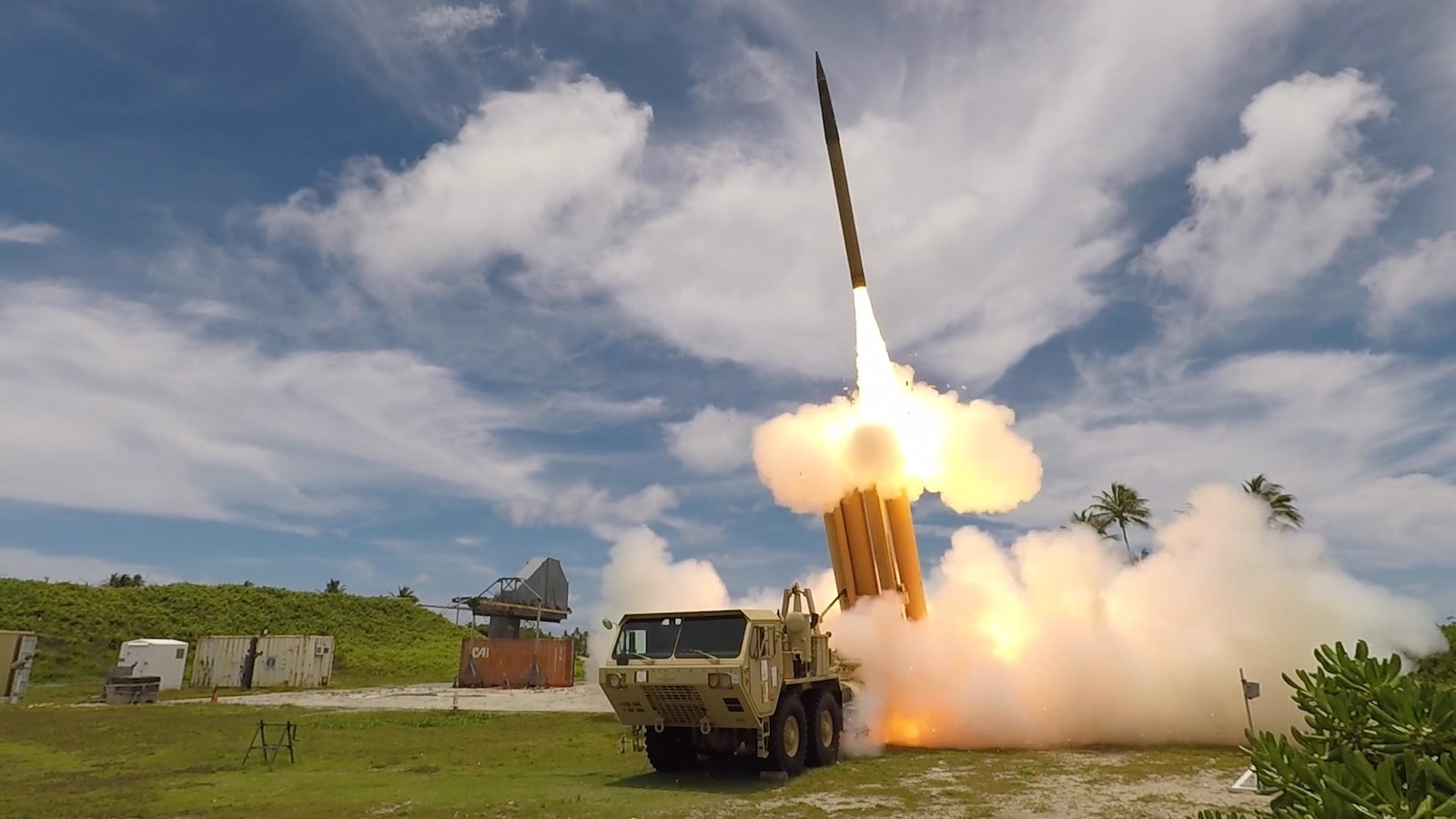
THE CONGRESSIONAL BUDGET OFFICE on Tuesday gave Americans the first serious accounting of what the war with Iran has cost, with a headline number of $38 billion.
asserted
war → give → billion
CBO estimates that from the start of the war through August 1, the Department of Defense incurred about $38 billion …
Join Bulwark+ to unlock the rest
Become a paying member of The Bulwark to get access to this post and other subscriber-only content.
asserted
Department → estimate → post
A subscription gets you:
- Unlimited access to articles and newsletters including The Triad by JVL and Receipts by Catherine Rampell.
- Ad-free editions of our shows (with transcripts) and member-only shows like The Secret Podcast.
asserted
subscription → get → Podcast
Your support helps keep our work sustainable and available to those who cannot afford a membership.
asserted
who → help → membership
Give feedback · no sign-in needed
No sign-in needed for now. Your note is sent without a name, so it cannot be answered.

 The Aporia