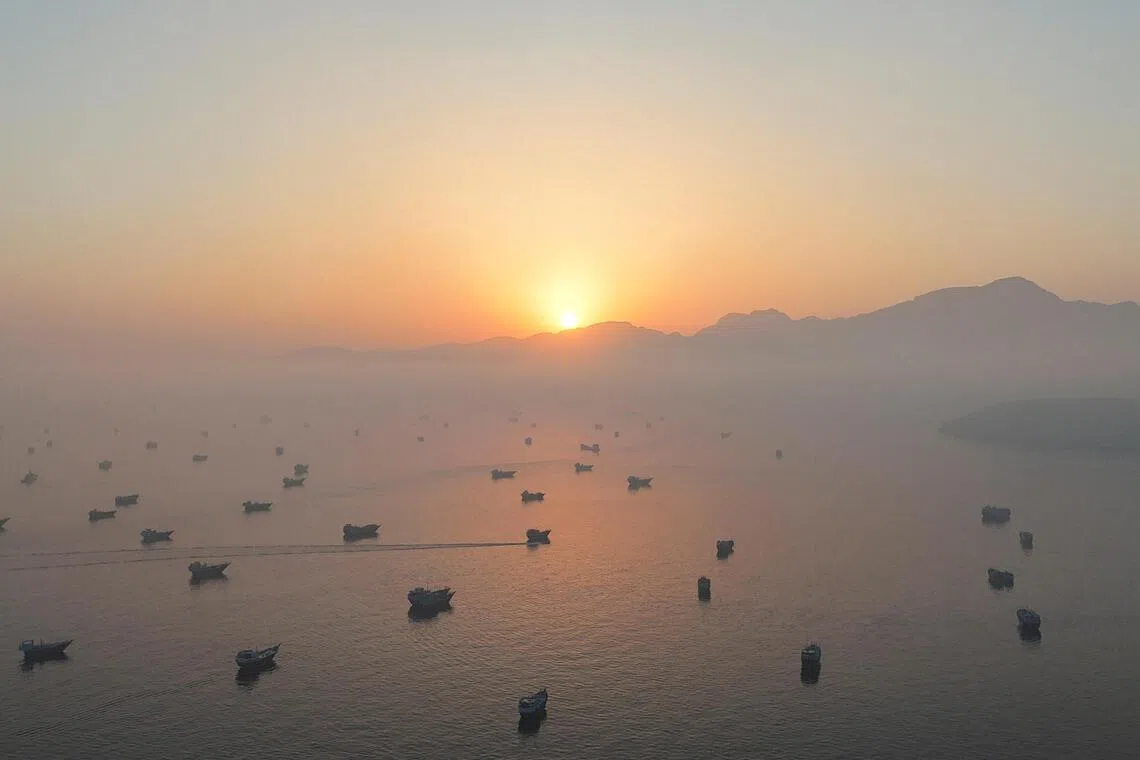
Photo via Al Jazeera

Are Hormuz ships more willing to defy Iran or the US? What the data shows

Read the original at Al Jazeera ↗
Cite

Are Hormuz ships more willing to defy Iran or the US? What the data shows. (2026, August 20). Al Jazeera. https://www.aljazeera.com/news/2026/8/20/are-hormuz-ships-more-willing-to-defy-iran-or-the-us-what-data-shows?traffic_source=rss

Dated when The Aporia collected the article, usually within hours of publication. Check the original for its exact date and byline.

Al Jazeera · collected 2026-08-20

Quick Summary

US President Donald Trump claims that US military controls traffic through the Strait of Hormuz, but actual data from maritime intelligence firm Kpler suggests otherwise. According to Kpler's data, 112 vessels carrying oil and gas passed through the strait between August 1-19, with only 21 openly using the Iranian route and two formally using the Omani route. The remaining 89 vessels, making up over 80% of total oil and gas traffic, took unknown or unclassified routes that cannot be fully tracked, raising questions about who is actually in control of the waterway.
Written by AI on 2026-08-20, from this article's own text only (the story summary below draws on all the coverage).
See how they differ ↓

AI analysis

Story summary

Strait of Hormuz Status

Shipping through the Strait of Hormuz has plunged to single digits due to US-Iran peace talks stalling, with only seven commodity vessels passing through on Thursday.

US-Iran Conflict

The conflict between the US and Iran has been ongoing for six months, with joint US-Israeli strikes on Iran sparking the war.

US Sanctions

The US has grown increasingly frustrated at a lack of progress in peace talks, with President Trump threatening "TREMENDOUS" sanctions on Wednesday and US treasury secretary Scott Bessent vowing to impose the "toughest sanctions in history" against Iran on Thursday.

Oman's Role

Oman has been working on a deal with Tehran to reopen the strait, but said lasting security requires permanent peace in the region and rejected further escalation or conflict.

Written for “Tensions at Strait of Hormuz” on 2026-11-21, grounded in this article and the 12 other(s) covering the same event.

How they differ

8 outlets covered “Tensions at Strait of Hormuz”.

What each outlet says

One AI summary per outlet of its latest article on this story, written from that article alone and checked against it. Open the article for the outlet's own words.

Al JazeeraThis outlet20 Aug

US President Donald Trump claims that US military controls traffic through the Strait of Hormuz, but actual data from maritime intelligence firm Kpler suggests otherwise. According to Kpler's data, 112 vessels carrying oil and gas passed through the strait between August 1-19, with only 21 openly using the Iranian route and two formally using the Omani route. The remaining 89 vessels, making up over 80% of total oil…

Are Hormuz ships more willing to defy Iran or the US? What the data shows (this article)2 articles from Al Jazeera on this story
CBC19 Aug

US President Donald Trump stated on Tuesday that no talks or conversations are currently taking place with Iran, contradicting comments made by Jared Kushner earlier that day. Oil prices rose due to the receding prospects of a deal to end the nearly six-month conflict between the two countries, while stock markets and borrowing costs declined. The UAE's Defence Ministry reported detecting two ballistic missiles…

'No talks or conversations' with Iran, Trump says, as temporary ceasefire expires →4 articles from CBC on this story
The Independent21 Aug

US-Iran peace talks have stalled, leading to a significant decline in shipping through the Strait of Hormuz. Only seven commodity vessels passed through the waterway on Thursday, down from 14 on Wednesday, with no supertankers or liquefied natural gas carriers recorded. The Strait's average daily oil flow has not reached pre-conflict levels, currently averaging around 2.3 million barrels per day since a memorandum…

Strait of Hormuz tracker: The maps and charts that debunk Trump’s claim the route has reopened →2 articles from The Independent on this story
Euronews18 Aug

Iranian Parliament Speaker Mohammad Bagher Ghalibaf stated that the Strait of Hormuz will remain closed until the US lifts its naval blockade, releases frozen Iranian assets, and drops oil sanctions. An unidentified projectile hit a ship transiting the strait, causing at least one casualty, according to the UKMTO maritime monitoring agency. The attack occurred early Tuesday morning as the vessel tried to pass…

Ship hit in Hormuz as Iran's top negotiator says strait to stay shut →
The Straits Times18 Aug

Iran's top negotiator Mohammad Bagher Ghalibaf stated on Aug 18 that the Strait of Hormuz will remain closed until the US meets Tehran's demands, which include lifting a naval blockade, oil sanctions, and unfreezing Iranian assets abroad. The US is also required to implement other commitments outlined in a memorandum of understanding signed in June. Diplomatic efforts have been ongoing since April 8 to end intense…

Iran negotiator Ghalibaf says Hormuz will not open until US meets demands →
CBS News18 Aug

President Trump made a threat on Monday to bomb Oman if it gets in the way of US efforts to wage war against Iran, according to Fox News. This warning comes as 60-day talks window set by the US and Iran for a wider peace deal has ended without any concrete plans to end the 24-week war. Key ally Japan underlined the importance of security cooperation with the US and South Korea for regional stability after Trump…

Trump threatens Oman, Iran war in stalemate as 60-day talks window ends →
Show 2 more outlets
BBC18 Aug

President Donald Trump made a threat to bomb Oman, a US ally, during a phone interview with Fox News, saying "If Oman gets in the way, we'll bomb the shit out of them." This threat came as the US and Iran negotiate separately with Oman over reopening the Strait of Hormuz. A 60-day Memorandum of Understanding between the US and Iran is set to expire soon, and Trump has refused to extend it. Oman has been playing a…

Trump threatens to bomb US ally Oman if it 'gets in the way' over Iran deal →
ABC News (AU)19 Aug

A series of attacks on ships passing through the Strait of Hormuz has led to a spike in oil prices, with Brent crude futures jumping 3% over the past week to $US91.38. The attacks, which resulted in two casualties, were reported by British maritime officials and have caused uncertainty over passage through the strait. Iranian top negotiator Mohammad Baqer Qalibaf has said that the strait will remain shut until the…

Oil prices spike after ships in Strait of Hormuz hit by fresh strikes →

Where they agree and split

The full story: what happened, how it changed, and all 13 articles →

Compared with similar articles

This article reads leans left and hedges 11% of its claims. Each row says how that neighbour differs.
CBC News
Hedges 4 of 11 claims Outlet record 60/100
Euronews
Leans strongly right further right than this Hedges 1 of 15 claims Outlet record 60/100
CBS News
Hedges 23 of 167 claims Outlet record 66/100
The Independent
Leans left Hedges 6 of 31 claims Outlet record 59/100
BBC News
Leans strongly right further right than this Hedges 2 of 29 claims Outlet record 65/100
CBC News
Hedges 7 of 35 claims Outlet record 60/100
The Straits Times
Leans left Hedges 0 of 4 claims Outlet record 64/100
The Straits Times
Leans strongly left further left than this Hedges 0 of 7 claims Outlet record 64/100
“Article A is reporting on a statement from Iranian negotiator Ghalibaf about Iran's demands for opening the Strait of Hormuz, while Article B discusses US President Trump's statements and actions related to the strait, but does not mention Ghalibaf or Iran's specific demands”
CBC News
Hedges 4 of 29 claims Outlet record 60/100
“Article B reports on Trump's claim that the strait is open for vessels and his threat to bomb Oman in general, while Article A specifically mentions a plan between Iran and Oman to manage shipping through the Strait of Hormuz, implying two related but distinct events”
Al Jazeera
Leans strongly right further right than this Hedges 5 of 52 claims Outlet record 60/100

Story

Tensions at Strait of Hormuz
World · 13 article(s) covering the same event. Compare every outlet's account →
How this article was measured signals, leaning charts, publisher record, byline, topics and claims

Signals How these are calculated →

Claims extracted
65
sentences that state something as happening or true
Uncertain
11%
7 of 65 hedged ("reportedly", "may", "according to")
Leaning
Leans left
of the writing, not the subject · beta estimate
Publisher signals
60/100
Al Jazeera's corrections and hedging, across everything collected from it. Not a measure of accuracy.
Outlets on this story
13
World
Same framing elsewhere
1
articles that frame the event the way this one does
Analyzed 2026-08-20 · how these are computed

How this is being covered How these are calculated →

Article leaning vs. publisher reliability
Source leaning vs. consistency

Publisher

Al Jazeera · 6251 article(s) · 4 correction(s) detected
Running correction rate · 4 correction(s)

Who wrote this

No reporter is named on this article.

Topics

Iran Iranian Oman Omani Tehran

Subjects

Iranian NORP · 8× Iran GPE · 6× Omani NORP · 6× Kpler ORG · 3× Oman GPE · 3× Tehran GPE · 3× Hormuz GPE · 2× Donald Trump PERSON · 1× Trump PERSON · 1× United States GPE · 1×

Narrative

Hence, several vessels are turning off their transponders to strip away the digital identifiers that military forces use to target them. “Switching off transponders can reduce the visibility of a vessel’s precise location and movements, although it also creates concerns about maritime safety and transparency,” Neil Quilliam, an associate fellow at the Middle East and North Africa Programme at the UK-based think tank Chatham House, told Al Jazeera.
framing: assertive · carried by 1 article(s) · first seen 2026-08-20
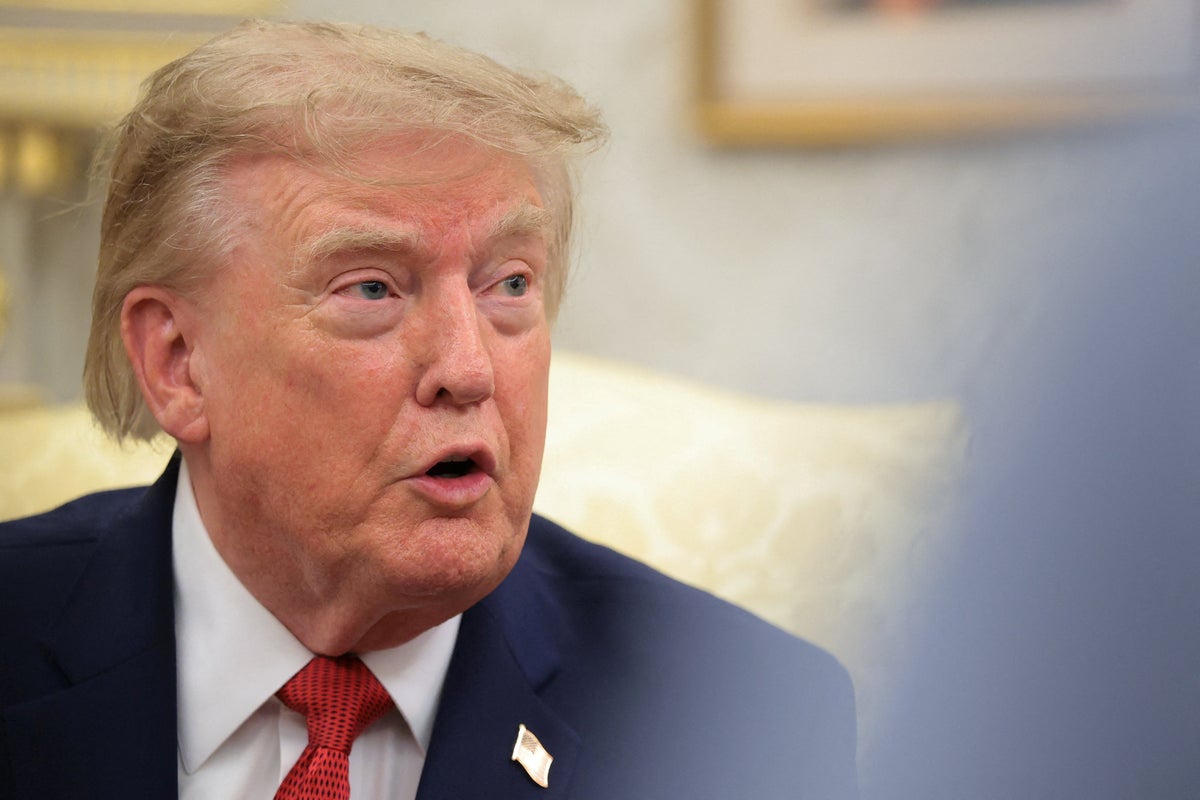
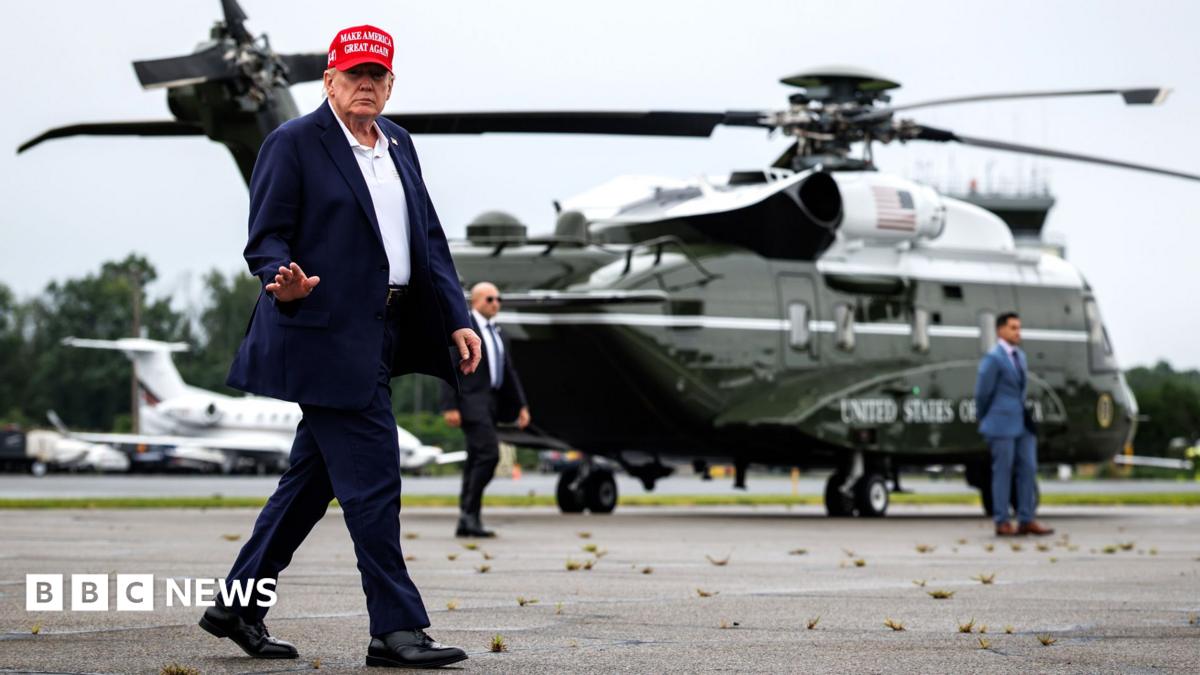
United States President Donald Trump has insisted that his military remains in control of traffic through the Strait of Hormuz, and suggested this past week that the US might even seek to take charge of the territory.

Claims (65 extracted, 7 hedged)

United States President Donald Trump has insisted that his military remains in control of traffic through the Strait of Hormuz, and suggested this past week that the US might even seek to take charge of the territory. uncertain
US → insist → territory
On Tuesday, he also claimed that the strait was open for vessels to pass through, despite Iranian insistence that the waterway was closed for all ships that don’t seek Tehran’s approval before transit, and even though the US itself has a naval blockade in place targeting all Iran-linked ships. asserted
US → claim → ships
At the same time, Trump has threatened to bomb Oman, a US ally that sits across the Strait of Hormuz from Iran – the waterway lies in the maritime territories of Iran and Oman – in an apparent bid to dissuade Muscat from striking any deal with Tehran to jointly manage the strait. asserted
waterway → threaten → strait
Amid the claims and counterclaims from both sides, actual data on the traffic passing through the waterway offers vital clues. uncertain
data → pass → clues
We break it down. asserted
We → break → it
Before the war started, the Strait of Hormuz was largely considered a single waterway, without distinctions between “Iranian” or “Omani” routes, and ships entered and exited along well‑established traffic separation schemes, mostly along the central part of the strait. asserted
ships → start → strait
Decisions on how ships navigated the strait were determined by port calls, charter terms and safety rather than fear of military consequences. asserted
ships → navigate → consequences
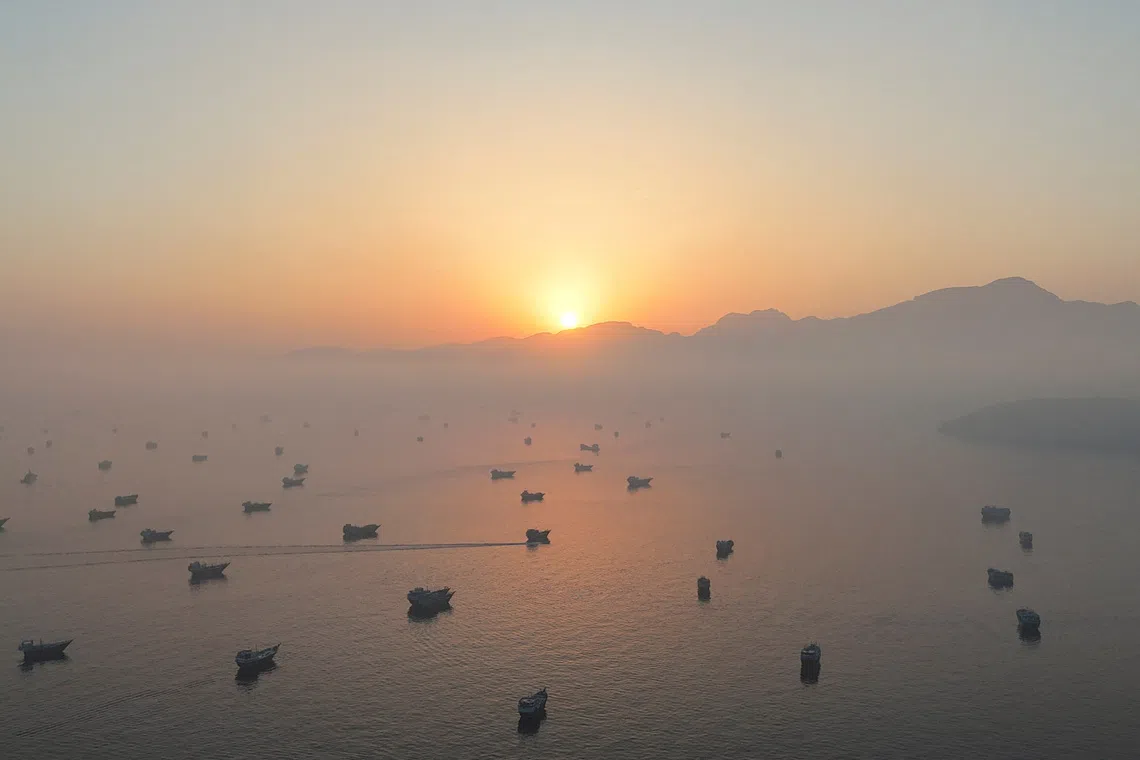
Since the war has spiked tensions between the US and Iran over the Strait of Hormuz, the waterway has been fractured into two main routes. asserted
waterway → spike → routes
Tehran insists on the northern, Iranian route, hugging Iran’s coast near Larak Island and Qeshm Island, and feeding directly into Iranian ports and offshore terminals. asserted
Tehran → insist → ports
This is the route that Washington insists on, and is the one used by commercial carriers under US Naval protection. asserted
Washington → insist → protection
What routes do ships carrying oil and gas use? asserted
ships → carry → oil
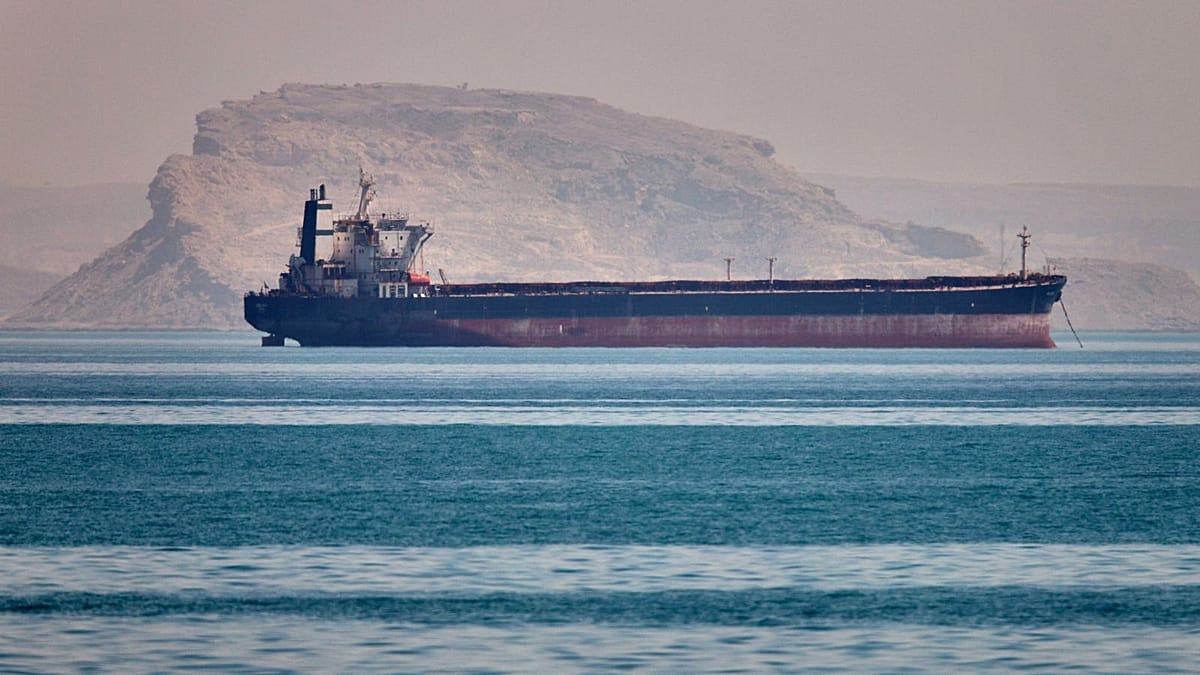
Data from maritime intelligence firm Kpler shows that 112 vessels carrying crude, liquefied petroleum gas (LPG) and liquefied natural gas (LNG) passed through the Strait of Hormuz – either entering the Gulf or leaving it – between August 1 and August 19. asserted
vessels → show → August
Of those tankers and carriers, 21 openly used the Iranian route and only two formally used the Omani route. asserted
two → use → route
The remaining 89 vessels, which make up more than 80 percent of the total oil and gas traffic through the strait in this period, went along dark or otherwise unclassified routes. asserted
which → remain → routes
This happens when a vessel’s movements cannot be fully tracked or clearly linked to a declared route because the vessel either turns off its Automatic Identification System (AIS) transponder or the AIS data does not neatly fit into Kpler’s defined Iranian or Omani corridors. asserted
data → happen → corridors
Hence, it is not clear which route these vessels took. asserted
vessels → take → route
“While these transits can be observed once vessels reappear after crossing, the nature of dark routing makes it highly difficult to determine what proportion may also have used the Omani route or to confirm their precise routing from the available data,” Mohamed Rafik Halitim, a customer success manager for maritime and commodities at Kpler, told Al Jazeera. uncertain
Halitim → observe → Jazeera
Kpler’s data shows that 236 ships in all transited through Hormuz between August 1 and August 19. asserted
ships → show → August
This includes not just oil and gas vessels, but others carrying dry cargo and chemicals. asserted
This → include → cargo
Of these ships, 83 openly used the Iranian route, only three publicly used the Omani route and two used the old pre-war route that ran through the centre of the strait. asserted
that → use → strait
But the bulk of the ships, 148 of them, again went dark or used unknown routes while transiting through the strait. asserted
bulk → go → strait
That’s more than six out of 10 ships that passed through Hormuz in this period. asserted
that → ’ → period
By comparison, 35 percent of vessels openly used the Iranian route, and only a handful used the Omani or pre-war route publicly. asserted
handful → use → route
Why are so many vessels switching off their transponders? asserted
vessels → switch → transponders
Since the beginning of the war, both Iran and the US have not only threatened, but have actually bombed vessels that they each claim are violating their routes or rules for maritime navigation through the waterway. uncertain
they → threaten → waterway
Hence, several vessels are turning off their transponders to strip away the digital identifiers that military forces use to target them. “Switching off transponders can reduce the visibility of a vessel’s precise location and movements, although it also creates concerns about maritime safety and transparency,” Neil Quilliam, an associate fellow at the Middle East and North Africa Programme at the UK-based think tank Chatham House, told Al Jazeera. asserted
Quilliam → turn → Jazeera
“Some operators believe the commercial and security benefits outweigh those risks under current conditions.” asserted
benefits → believe → conditions
On August 8, the United Arab Emirates accused Iran of attacking a tanker owned by the Abu Dhabi National Oil Company (ADNOC) with a missile as it tried to pass through the strait. asserted
it → accuse → strait
In a statement, ADNOC said that since the beginning of the war, 15 of its vessels had been attacked by missiles and drones while transiting the strait, killing one crew member and injuring 20. asserted
15 → say → 20
The ADNOC statement did not blame either side. asserted
statement → blame → side
Last month, the US fired on an oil tanker traversing through the strait towards Iran’s Kharg Island. asserted
US → fire → Island
The US said it fired Hellfire missiles at the ship after it ignored several warnings. asserted
it → say → warnings
On August 11, the US said a Navy helicopter also fired two Hellfire missiles at the Panama-flagged Vela Nova cargo vessel, adding that the ship was attempting to break its blockade of Iranian ports in the Gulf of Oman, which connects directly to the Strait of Hormuz. asserted
which → say → Hormuz
Another reason to switch off transponders is to conduct ship-to-ship cargo transfers, mid-route, without being seen, experts say. asserted
experts → switch → transfers
“According to sources and data over the past two weeks, some Gulf countries, including Saudi Arabia, Iraq, and Kuwait, have sent out some shipments through the Omani route by turning off their vessel tracking and by doing ship-to-ship transfers,” energy policy researcher and consultant Marc Ayoub told Al Jazeera. uncertain
Ayoub → accord → Jazeera
In essence, a ship that wants to avoid the threat of Iranian missiles would travel through the Omani route with its transponder off, but then passes its cargo over to a ship outside the strait, which then ferries it to its final destination. asserted
which → want → destination
The original “dark” ship then returns to its port of origin undetected. asserted
ship → return → origin
Ayoub added that a number of Iranian vessels are also transiting through the Omani route – often including ship-to-ship transfers – to avoid sanctions against Iran and the US blockade. asserted
number → add → Iran
“They send their shipment to Oman through the Omani route, they change the documents of those shipments so that they appear as if they are exported by Oman, and then they send it to the oil market.” asserted
they → send → market
Are ships more scared of defying Iran or the US? asserted
ships → defy → Iran
…and 25 more, not listed.
Give feedback · no sign-in needed

No sign-in needed for now. Your note is sent without a name, so it cannot be answered.

History Support