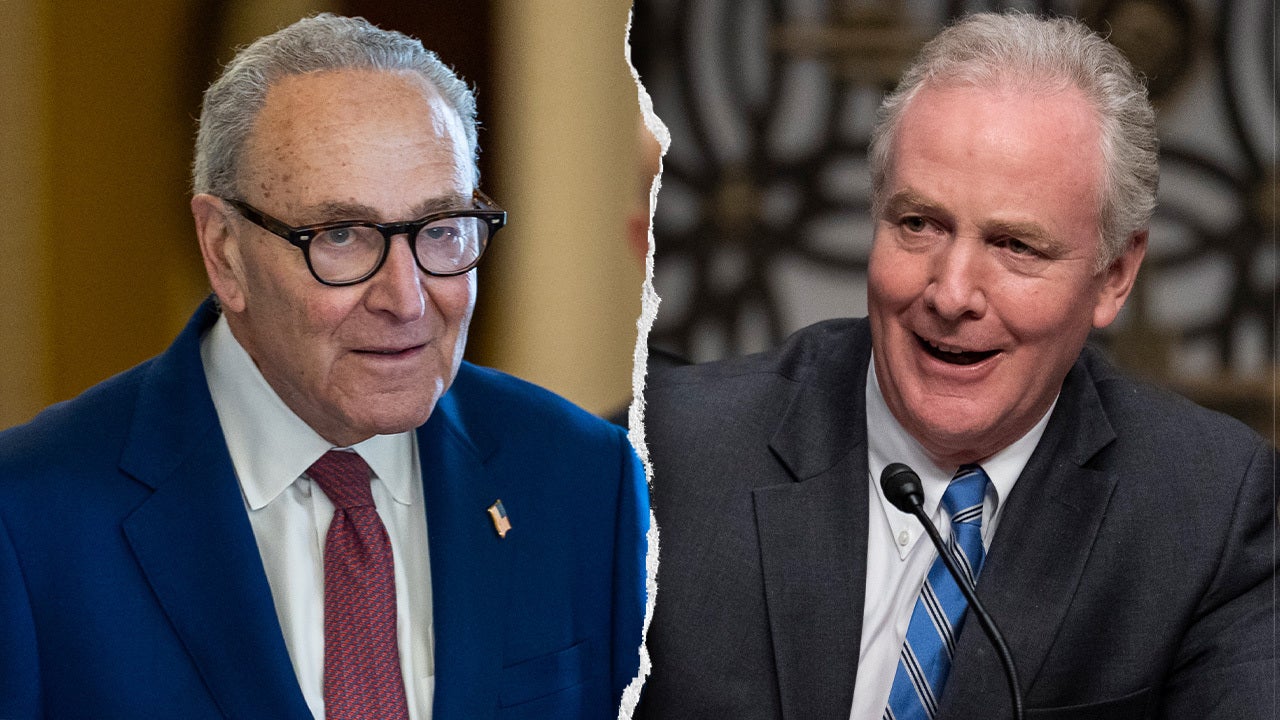
Photo via Fox News

Trump-backed tax break a windfall for controversial industry — now GOP senator wants 'corporate welfare' cut

Read the original at Fox News ↗
Cite

Miller, A. (2026, September 16). Trump-backed tax break a windfall for controversial industry — now GOP senator wants 'corporate welfare' cut. Fox News. https://www.foxnews.com/politics/trump-backed-tax-break-windfall-controversial-industry-now-gop-senator-wants-corporate-welfare-cut

Dated when The Aporia collected the article, usually within hours of publication. Check the original for its exact date and byline.

Fox News · collected 2026-09-16 · by Alex Miller

Quick Summary

Senator Josh Hawley plans to introduce legislation aimed at closing a tax loophole for data centers created by Republicans in 2017 as part of the Tax Cuts and Jobs Act. This loophole allows tech companies to build sprawling data center facilities while deferring or reducing corporate taxes through Opportunity Zones, which were initially intended for low-income areas. Since the passage of these tax packages, over 8,746 Opportunity Zones have been established across the U.S., with nearly half in rural areas where many data centers are being constructed. Hawley argues that this is "corporate welfare" and his bill would explicitly exclude data centers from accessing such tax benefits.
Written by AI on 2026-09-17, from this article's own text only (the story summary below draws on all the coverage).

AI analysis

Story summary

Sen. Josh Hawley, R-Mo., plans to introduce legislation aimed at closing a tax loophole for data centers, which was originally implemented in 2017 by Republicans. The senator argues that tech companies are exploiting this loophole, designated as Opportunity Zones meant for low-income areas and businesses, to build expansive data center facilities across the country. This move comes amid growing concerns over unchecked AI development, with data centers playing a critical role in this sector. President Donald Trump had previously referred to such concerns about data centers as a "hoax." Hawley’s forthcoming bill would explicitly exclude data centers from accessing these tax cuts, adding another barrier at the federal level to slow their rapid expansion. This issue has become a significant political wedge on campaign trails as Republicans grapple with how to address it.

Written for “Trump Tax Break Controversy” on 2026-11-21, grounded in this article and the 1 other(s) covering the same event.

Compared with similar articles

This article reads unscored and hedges 13% of its claims. Each row says how that neighbour differs.
Fox News
Hedges 3 of 23 claims Outlet record 66/100
The Straits Times
Hedges 1 of 21 claims Outlet record 64/100
“Article A discusses Senator Josh Hawley's planned legislation targeting tax loopholes for data centers, while Article B reports on a bill already passed by the House of Representatives regarding electricity costs associated with data center expansion.”
Semafor
Leans right Hedges 3 of 18 claims Outlet record 64/100
“The articles describe different legislative actions involving tech and data centers but at distinct times and by different senators.”
CBS News
Hedges 1 of 21 claims Outlet record 66/100
“The articles describe different legislative actions regarding data centers: one involves Senator Hawley wanting to close a tax loophole and introduce new legislation, while the other reports on a Senate Democrat blocking a Republican bill aimed at protecting consumers from energy costs related to data centers.”
CBS News
Leans right Hedges 4 of 23 claims Outlet record 66/100
“Article A discusses Sen. Josh Hawley's plan to introduce legislation to close a tax loophole for data centers, while Article B reports on the House passing a different bill called the Ratepayer Protection Act to shield Americans from energy costs related to data centers.”
New York Post
Leans left Hedges 1 of 18 claims Outlet record 66/100
“Article A discusses a Republican senator's intent to introduce legislation targeting tax loopholes for data centers, while Article B reports on a single Democratic senator blocking a bipartisan bill in the Senate aimed at regulating power usage by big tech companies.”
Reason
Hedges 2 of 38 claims Outlet record 67/100
“Both articles discuss legislative efforts regarding tax breaks for data centers but describe different aspects and timelines of the issue.”
Semafor
Leans right Hedges 5 of 14 claims Outlet record 64/100
“The articles discuss different legislative actions related to data centers by Republicans but do not describe the same specific incident.”

Story

Trump Tax Break Controversy
Politics · 2 article(s) covering the same event. See how they differ ↑
How this article was measured signals, leaning charts, publisher record, byline, topics and claims

Signals How these are calculated →

Claims extracted
23
sentences that state something as happening or true
Uncertain
13%
3 of 23 hedged ("reportedly", "may", "according to")
Leaning
withheld
no quote in the article backed the model's score
Publisher signals
66/100
Fox News's corrections and hedging, across everything collected from it. Not a measure of accuracy.
Outlets on this story
2
Politics
Same framing elsewhere
2
articles that frame the event the way this one does
Analyzed 2026-09-17 · how these are computed

How this is being covered How these are calculated →

Article leaning vs. publisher reliability
Source leaning vs. consistency

Publisher

Fox News · 8354 article(s) · 16 correction(s) detected
Running correction rate · 16 correction(s)

Who wrote this

Alex Miller
62 article(s) here · 1 carrying a prediction
Senate Republicans scored a major win after advancing a massive bill that would overhaul America’s permitting system in a bid to turbocharge infrastructure and energy development in the country.
Kennedy, who is a member of the Transportation, Housing and Urban Development Appropriations Subcommittee, which controls the purse strings over the DOT, said that he was more than "willing to appropriate money to fix this," but needed to understand the problem first. "I mean, we had an outage today, some problems with a number of our banks," Kennedy said.
The longtime Democratic leader has remained confident, but quiet, about his chances of retaining his job, posting shortly after Van Hollen’s announcement last week that he welcomed "discussion about the future of our caucus and the important work ahead," but asserted, "I have the votes to continue serving as Democratic leader." Schumer’s allies, like Democratic Senatorial Campaign Committee Chair Kirsten Gillibrand, D-N.Y., argue that he has led Senate Democrats to a 55-seat majority, which could expand by another seat if Alaska flips.
Like other Democrats and progressives, Moor wants to abolish Immigration and Customs Enforcement (ICE), but he would "like to see immigration law enforced."
In part, it was meant to develop a plan that would carry them through the final weeks of this year — that was agreed upon during the meeting, but not without its own drama after the fact on who could lay claim to the GOP’s 54-day blitz.
And he is willing to go further than Schumer ever has on one issue: terminating the filibuster.
Senate Democrats are getting an opportunity they haven’t had in decades: a different option for who their leader could be.
That will require bold leadership.
His caucus is fracturing over whether to support him, with longtime allies such as Sen. Bernie Sanders, I-Vt., and newer members such as Sen. Elissa Slotkin, D-Mich., having declared this week that they would not back him for leader.
Republicans, after sweeping midterm losses, are willing to open up the immigration policy debate after voters made clear that they didn't support the administration’s approach: a Fox News poll published in September found that 53% of voters believed that Trump's immigration policy had gone too far.
Also by Alex Miller
Nothing else under this byline is closely related to this article, so these are simply their most recent.
All 62 articles by Alex Miller →

Topics

Congress Mo. Republican Republicans Senate

Subjects

Hawley PERSON · 6× Congress ORG · 4× Schumer PERSON · 2× Senate ORG · 2× Donald Trump PERSON · 1× GOP ORG · 1× Josh Hawley PERSON · 1× Mo. GPE · 1× Republican NORP · 1× Republicans NORP · 1×

Narrative

Hawley's forthcoming bill would explicitly exclude data centers from being able to access the tax cuts, adding another barrier at the federal level in an attempt to try and slow their rapid development. And it comes as Congress scrambles to answer the growing fears over unfettered AI development, which data centers play a key role in.
framing: assertive · carried by 2 article(s) · first seen 2026-09-17
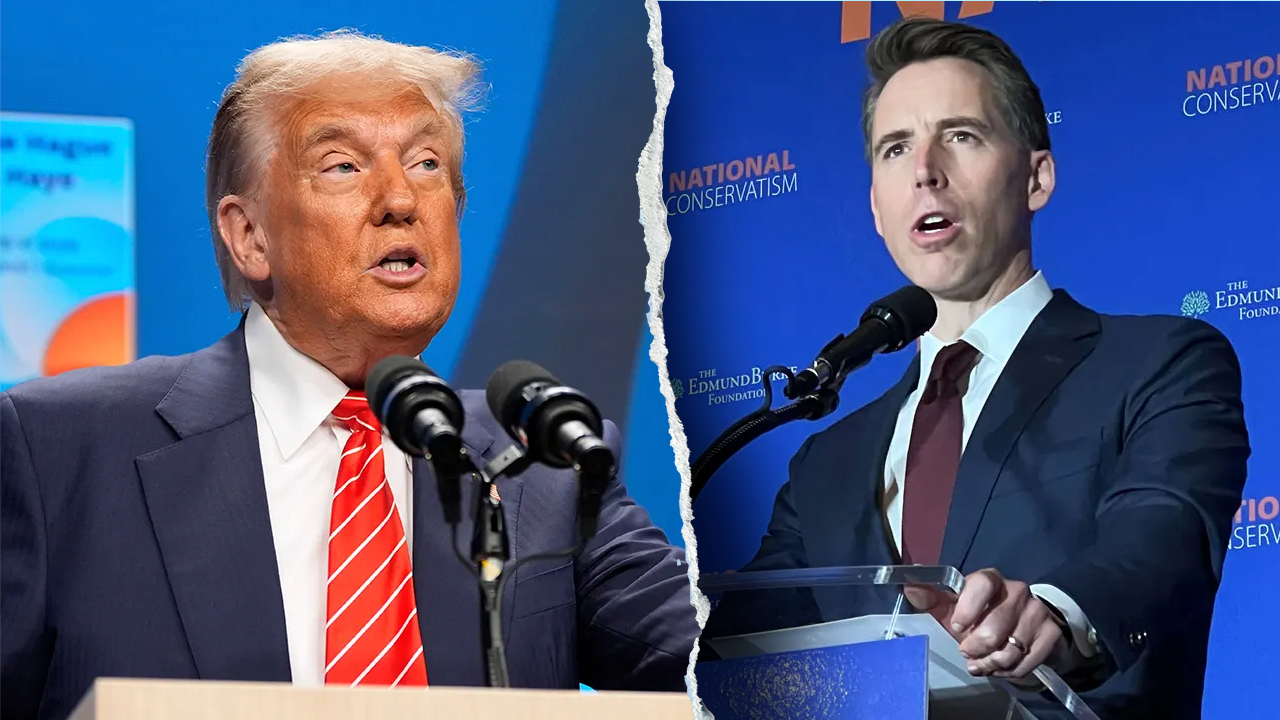
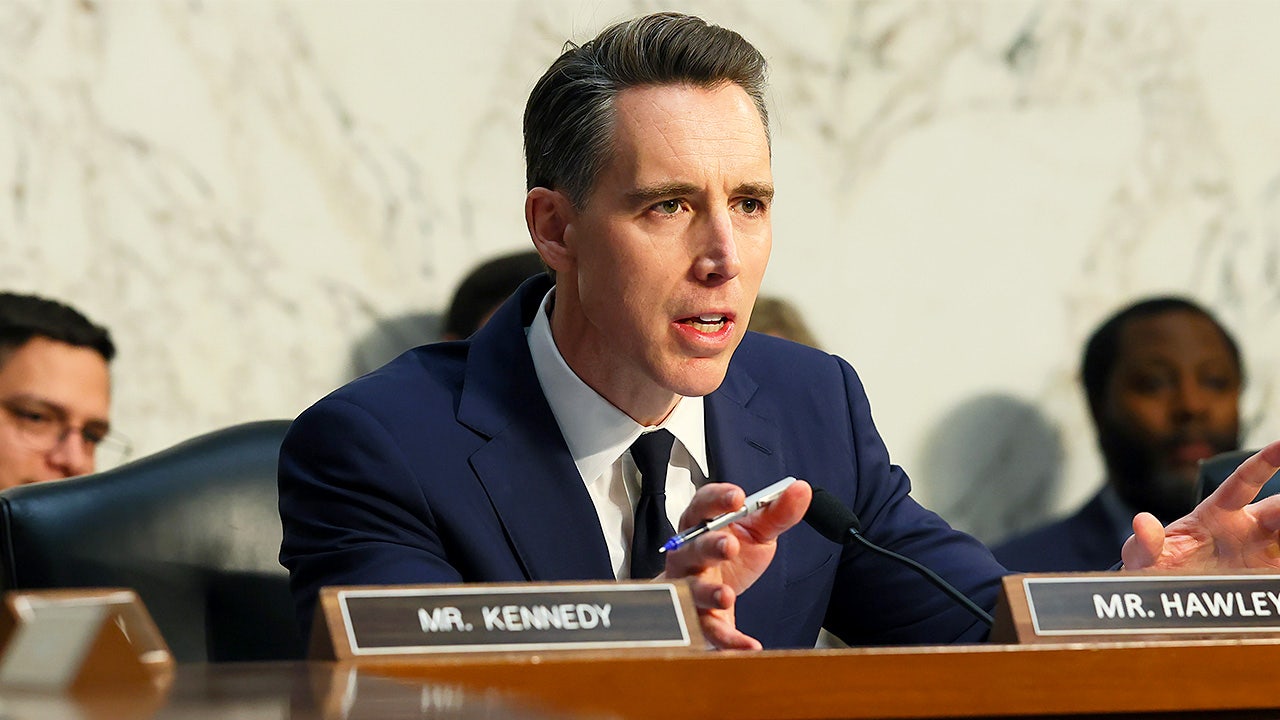
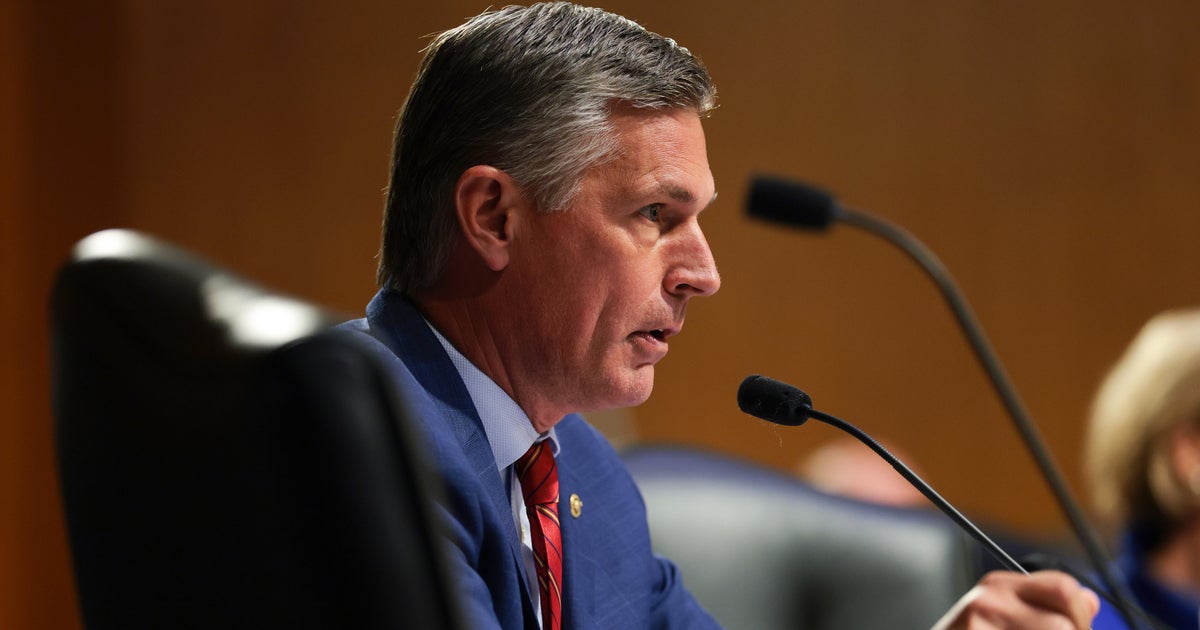
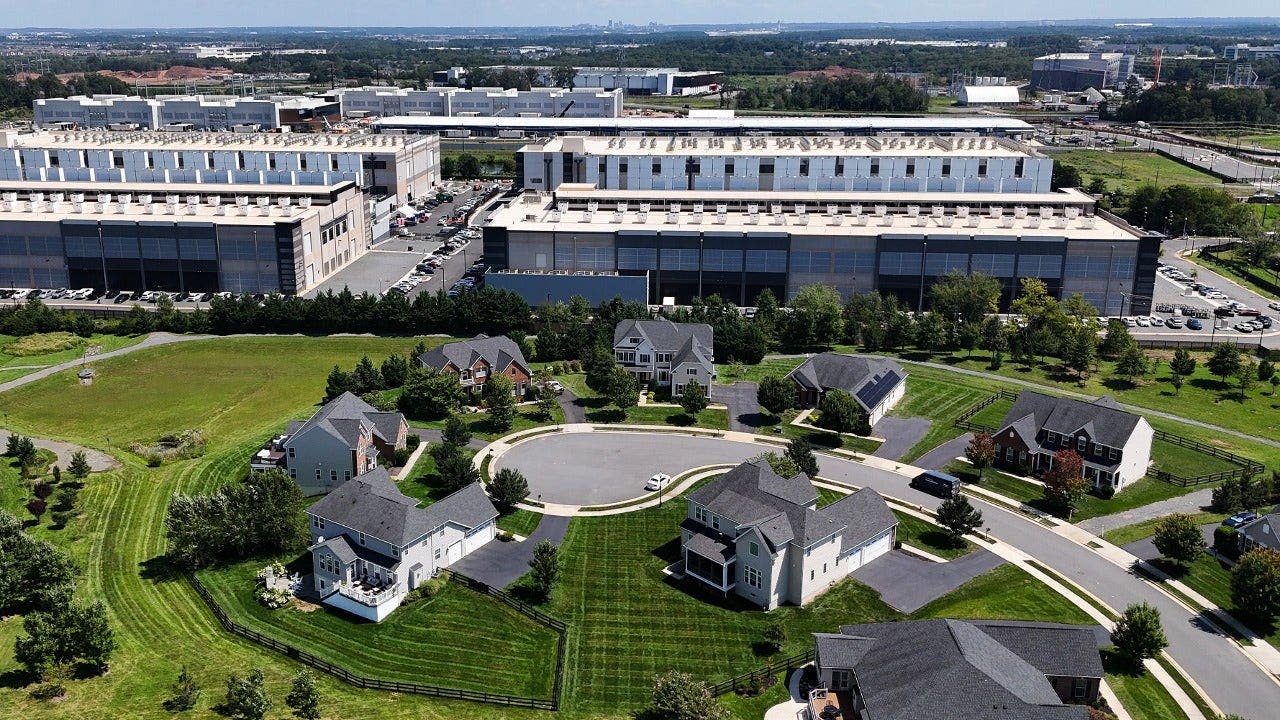
Sen. Josh Hawley, R-Mo., plans on introducing legislation that would tie up a tax loophole for data centers first unleashed by Republicans in 2017 that he charged has been exploited by tech companies to build their sprawling data center facilities.

Claims (23 extracted, 3 hedged)

Anxieties over data centers have cranked up considerably, and one Senate Republican wants to close a tax loophole that he argues tech giants are using as "corporate welfare" to build facilities throughout the country. asserted
giants → crank → country
Sen. Josh Hawley, R-Mo., plans on introducing legislation that would tie up a tax loophole for data centers first unleashed by Republicans in 2017 that he charged has been exploited by tech companies to build their sprawling data center facilities. asserted
he → plan → facilities
It comes as the GOP wrestles with how to handle the data center and AI issue, which has become a major political wedge on the campaign trail. asserted
which → come → trail
And one that President Donald Trump has called a "hoax." asserted
Trump → call → that
That loophole, Hawley told Fox News Digital in an interview, is for Opportunity Zones, which he said are generally meant for "for low-income areas, low-income housing, low-income businesses or businesses in low-income areas. asserted
he → tell → areas
"These data centers have figured out a way that they think that they can access all of this money," Hawley said. asserted
Hawley → figure → money
"So let's be clear, this is a form of corporate welfare. asserted
this → let → welfare
They don't need any welfare. asserted
They → need → welfare
These people are rich, they can pay their own way." asserted
they → pay → way
The tax breaks were first approved by Congress as part of Trump’s first-term tax cuts package, the Tax Cuts and Jobs Act of 2017. asserted
breaks → approve → 2017
That initial bite at the apple established them as a means to spur investment into lower income or forgotten areas where tracts of land were dubbed Opportunity Zones. asserted
tracts → establish → land
They were then made permanent last year through the "big, beautiful bill," and though not explicitly intended to be used for data centers, have since provided a route for tech companies to defer, reduce or outright eliminate corporate gains taxes on their investments in the zones. asserted
companies → make → zones
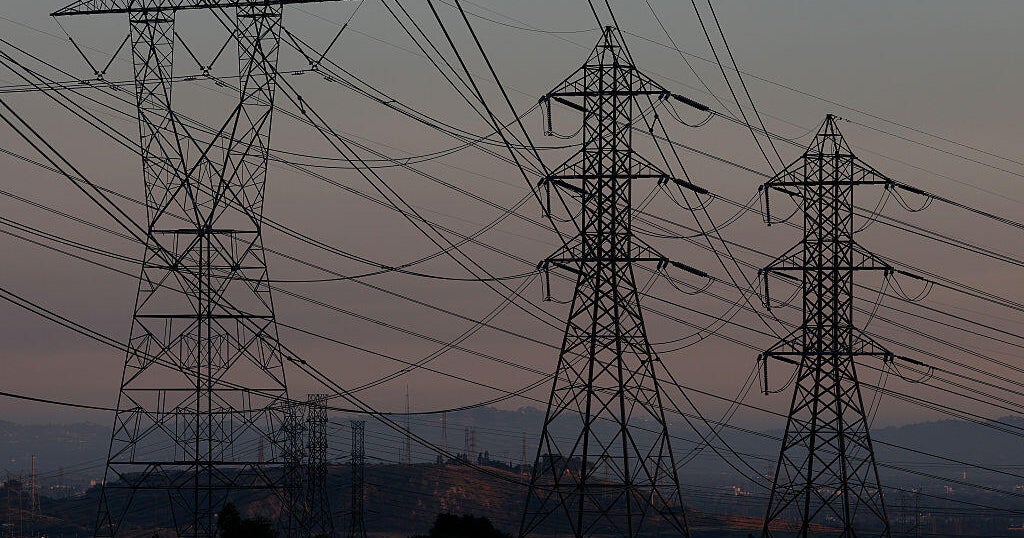
Since both tax packages were passed, 8,746 Opportunity Zones have cropped up in the U.S., according to the Department of Housing and Urban Development — just under half of all zones are in rural areas, where tech goliaths have set their sights on building data centers. And, according to a report from the National Community Reinvestment Coalition, 14% of all data centers are in Opportunity Zones, while just over 17% of all permitted, approved and under construction data center projects are in the zones. uncertain
% → pass → zones
Hawley's forthcoming bill would explicitly exclude data centers from being able to access the tax cuts, adding another barrier at the federal level in an attempt to try and slow their rapid development. And it comes as Congress scrambles to answer the growing fears over unfettered AI development, which data centers play a key role in. asserted
centers → exclude → role
Though concerns have rippled through the halls of the Capitol since their return this week following a call from major players in the AI industry to slow development, which only came after engineers at Anthropic revealed on X that there was a roughly 10% chance that AI could wipe out humanity within a decade, the topic of reining in the technology is not new. uncertain
topic → ripple → technology
Three years ago, Senate Minority Leader Chuck Schumer, D-N.Y., convened several panels with tech CEOs, including one with Tesla CEO Elon Musk and Meta CEO Mark Zuckerberg, to hash out what AI legislation could look like in Congress. uncertain
legislation → convene → Congress
Hawley argued that Congress needs to at least put guardrails on AI, and give people the opportunity to sue tech companies if their data and personal information has been used without their consent. asserted
data → argue → consent
When asked why no real action had happened since Schumer’s series of AI summits, Hawley contended that it was "because all the tech CEOs then promptly gave Schumer and the Democrats gobs and gobs money, and they decided that, you know what, maybe this industry is going fine." asserted
industry → ask → what
"And now what you see the same tech CEOs saying is they want an antitrust exemption so they can all talk together and work together," Hawley said. asserted
Hawley → see → exemption
‘Any regulations, they want to write them themselves. asserted
they → want → them
And they're out there saying, "The sky is falling, the sky is falling. asserted
sky → say → ?
You need to let us get together, write the regulations and figure out what we're going to do.’ asserted
we → need → what
I'm pretty skeptical of that, I have to say." asserted
I → have → that

Give feedback · no sign-in needed

No sign-in needed for now. Your note is sent without a name, so it cannot be answered.

History Support