Photo via The Straits Times

Fossil fuel emissions fall due to Iran war, renewables: Research

Read the original at The Straits Times ↗
Cite

The Straits Times. (2026, November 10). Fossil fuel emissions fall due to Iran war, renewables: Research. The Straits Times. https://www.straitstimes.com/world/fossil-fuel-emissions-fall-due-to-iran-war-renewables-research

Dated from the outlet's own feed. Check the original for its byline.

The Straits Times · collected 2026-11-10 · by The Straits Times

Quick Summary

Global fossil fuel emissions are projected to decrease by 0.4% in 2026 due to a combination of renewable energy expansion and an oil price shock caused by the Iran war, according to the Global Carbon Budget report released on November 10 during the COP31 climate summit in Antalya, Turkey. This marks the first annual decline since the pandemic-driven drop in 2020. The report attributes the decrease largely to reduced oil consumption amid high crude prices and increased use of solar power, wind energy, and electric vehicles. However, experts warn that such reductions are not sustainable without continued deployment of clean technologies.
Written by AI on 2026-11-10, from this article's own text only (the story summary below draws on all the coverage).
See how they differ ↓

AI analysis

Story summary

Global fossil fuel emissions from coal, oil, and gas are projected to decrease by 0.4% in 2026, according to a new report by the Global Carbon Project. This decline is primarily attributed to a combination of the rapid expansion of wind and solar power and an energy shock caused by the Iran war. While the report indicates a slight drop, scientists from the University of Exeter warn that a reduction driven by geopolitical shocks is not a sustainable long-term climate solution. Specifically, China is expected to reduce its emissions by 0.9% this year as it continues its rollout of renewable energy. Despite this minor decrease, the world remains on track to reach 1.5 degrees Celsius of warming within four years. Research published in Nature suggests the drop is more sudden than a steady decline from energy progress, noting that oil emissions spiked before falling significantly due to the conflict. These findings come as world leaders gather in Turkey for climate talks to discuss accelerating the electrification of the global economy.

Written for “Global fossil fuel emissions fall” on 2026-11-22, grounded in this article and the 8 other(s) covering the same event.

How they differ

9 outlets covered “Global fossil fuel emissions fall”.

What each outlet says

One AI summary per outlet of its latest article on this story, written from that article alone and checked against it. Open the article for the outlet's own words.

The Straits TimesThis outlet10 Nov

Global fossil fuel emissions are projected to decrease by 0.4% in 2026 due to a combination of renewable energy expansion and an oil price shock caused by the Iran war, according to the Global Carbon Budget report released on November 10 during the COP31 climate summit in Antalya, Turkey. This marks the first annual decline since the pandemic-driven drop in 2020. The report attributes the decrease largely to reduced…

Fossil fuel emissions fall due to Iran war, renewables: Research (this article)
Time10 Nov

Global fossil fuel emissions are projected to decrease by 0.4% in 2026, according to a report from the Global Carbon Project. This reduction stems from an energy shock caused by the Iran war and increased adoption of renewable energy sources like wind and solar power. Notably, China’s emissions are expected to drop by 0.9%, while those of the U.S. will decrease by 1.3%. India is a notable exception, with its…

Fossil Fuel Emissions Are Expected to Decrease in 2026 →
ABC News (AU)10 Nov

The Global Carbon Project’s latest report indicates that fossil fuel emissions are projected to decrease by 0.4% in 2026 compared to 2025 levels, primarily due to a reduction in oil emissions linked to the Iran war. However, lead researcher Pierre Friedlingstein warns that this drop is not sustainable without significant acceleration in renewable energy capacity and electrification efforts. Total global carbon…

Renewables and Iran war help drive fall in global fossil fuel emissions →
Toronto Star10 Nov

Global carbon dioxide emissions dropped by 0.4% in 2026 to 42.2 billion tons (38.2 billion metric tons), according to scientists at the Global Carbon Project. This slight decline is attributed to disruptions caused by the Iran war, particularly affecting oil shipments through the Strait of Hormuz, rather than significant progress in climate change mitigation efforts. Scientists warn that these reductions are…

Heat-trapping carbon pollution drops, but scientists cite the Iran war rather than energy progress →
The Hindu10 Nov

Global carbon dioxide emissions from fossil fuels dropped by 0.4% to 42.2 billion tonnes in 2026, according to a study by the Global Carbon Project. This slight decrease is attributed more to disruptions caused by the Iran war and the closure of the Strait of Hormuz than to efforts against climate change. The war has led to significant price increases for oil and gas, causing emissions from these sources to drop…

Heat-trapping carbon pollution drops, but scientists cite Iran war rather than energy progress →
Daily Mail10 Nov

A new report by the Global Carbon Project forecasts a 0.4% decrease in global carbon emissions from fossil fuels in 2026, marking a potential turning point in reducing reliance on coal, oil, and gas. The projected decline stems largely from a significant drop of 1.9% in oil emissions due to disruptions in energy markets linked to the Iran conflict, alongside rapid growth in renewable energy sources like solar and…

Global carbon emissions from fossil fuels are projected to decrease by 0.4% in 2026, promising study reveals →
Show 3 more outlets
Sydney Morning Herald10 Nov

Global carbon emissions are expected to drop by 0.4% in 2026 according to a report from the Global Carbon Project, as world leaders convene for climate talks in Turkey. Despite this reduction, August 2026 was recorded as one of the warmest months ever, with global temperatures reaching 1.65°C above pre-industrial levels. The decline is attributed partly to geopolitical issues like the closure of the Strait of…

Greenhouse pollution down but global warming surges as climate talks begin →
Dawn10 Nov

Global fossil fuel emissions are projected to decrease by 0.4% in 2026, marking the first decline since 2020 due to a combination of increased renewable energy deployment and disruptions caused by the Iran war, according to researchers presenting at COP31 in Antalya, Turkiye. The Global Carbon Budget report indicates that emissions from oil are expected to drop by 1.9%, while gas emissions will fall by 0.3% and coal…

Fossil fuel emissions fall due to Iran war, renewables: research →
Semafor10 Nov

Global fossil fuel emissions are forecasted to decrease by 0.4% in 2026, largely due to increased renewable energy production and disruptions caused by the Iran war affecting oil supplies through the Strait of Hormuz. However, the decline is not considered sustainable according to a study published in Nature, which emphasizes that oil emissions might only be temporarily reduced by 1.9%. The increase in…

More renewables and Hormuz disruption drive emissions fall →

Compared with similar articles

This article reads unscored and hedges 5% of its claims. Each row says how that neighbour differs.
Dawn
Leans left Hedges 1 of 21 claims Outlet record 65/100
ABC News (AU)
Hedges 6 of 42 claims Outlet record 67/100
TIME
Hedges 4 of 24 claims Outlet record 60/100
Semafor
Hedges 1 of 6 claims Outlet record 64/100
The Sydney Morning Herald
Hedges 0 of 25 claims Outlet record 61/100
Toronto Star
Leans left Hedges 2 of 29 claims Outlet record 65/100
The Hindu
Leans left Hedges 2 of 29 claims Outlet record 78/100
Toronto Star
Leans right Hedges 4 of 47 claims Outlet record 65/100
“The articles discuss different aspects and findings related to global energy emissions trends in 2026 but do not describe the same specific incident or occurrence.”
Al Jazeera
Hedges 2 of 21 claims Outlet record 60/100
“The articles discuss different aspects of the climate crisis and related events but do not describe the same specific incident.”

Story

Global fossil fuel emissions fall
Environment · 9 article(s) covering the same event. See how they differ ↑
How this article was measured signals, leaning charts, publisher record, byline, topics and claims

Signals How these are calculated →

Claims extracted
20
sentences that state something as happening or true
Uncertain
5%
1 of 20 hedged ("reportedly", "may", "according to")
Leaning
not political
takes no side on a contested political question
Publisher signals
64/100
The Straits Times's corrections and hedging, across everything collected from it. Not a measure of accuracy.
Outlets on this story
9
Environment
Same framing elsewhere
1
articles that frame the event the way this one does
Analyzed 2026-11-10 · how these are computed

How this is being covered How these are calculated →

Article leaning vs. publisher reliability
Source leaning vs. consistency

Publisher

The Straits Times · 5701 article(s) · 7 correction(s) detected
Running correction rate · 7 correction(s)

Who wrote this

The Straits Times
4015 article(s) here · 1 carrying a prediction
Ben-Gvir replied in an X post that Eisenkot's condemnation amounted to selling out to Arab parties, which could be part of a possible new government.
Ex British PM Theresa May tells successor to ‘move on’ from Brexit AI generated
Its annual summit is seen as an important opportunity to signal that nations are willing to work together to find solutions and help finance the myriad problems caused by rising temperatures.
"If you step aside at the height of a victory you helped secure, you would show voters that the Democratic Party heeded their call for change.
Annual inflation hit 11% in October and prices are expected to rise further this year, economists say, leaving many Ukrainians feeling the pinch and less able to spend on eating out.
While no one obtained everything they might have desired, everyone can find a place for themselves within this text—that is the very essence of consensus.
At least 14 people missing after Russian drone hit building in Kyiv region, Zelenskiy says KYIV, Nov 22 - At least 14 people may still be trapped under the rubble of a residential building that was struck by a Russian drone on Sunday morning in Ukraine's Kyiv region, President Volodymyr Zelenskiy said.
Ferguson said at a news conference that the ICE agents may have broken a state law limiting facial coverings for law enforcement, and that he was looking into how they accessed the jet bridge.
Before departing for his overseas trip, Trump told reporters that he might meet Kim in China.
The latest draft expressed “deep concern” that global warming would cross 1.5 deg C above pre-industrial levels in the next few years.
2026-11-22 · assertive framing · Fossil fuels still missing from latest COP31 draft deal
Also by The Straits Times
Nothing else under this byline is closely related to this article, so these are simply their most recent.
All 4015 articles by The Straits Times →

Topics

Antalya Iran Research Turkey the Iran war

Subjects

Antalya GPE · 2× Iran GPE · 2× Turkey GPE · 2× Britain GPE · 1× Friedlingstein PERSON · 1× Pierre Friedlingstein PERSON · 1× Research ORG · 1× the Global Carbon Budget Office ORG · 1× the United Nations’ ORG · 1× the University of Exeter ORG · 1×

Narrative

Nations agreed at the 2015 UN climate talks in Paris to keep global warming “well below” 2 deg C above pre-industrial levels, while pursuing efforts to limit it to 1.5 deg C. But the UN declared in September that the long-term 1.5 deg C target would be missed in a matter of years.
framing: assertive · carried by 1 article(s) · first seen 2026-11-10
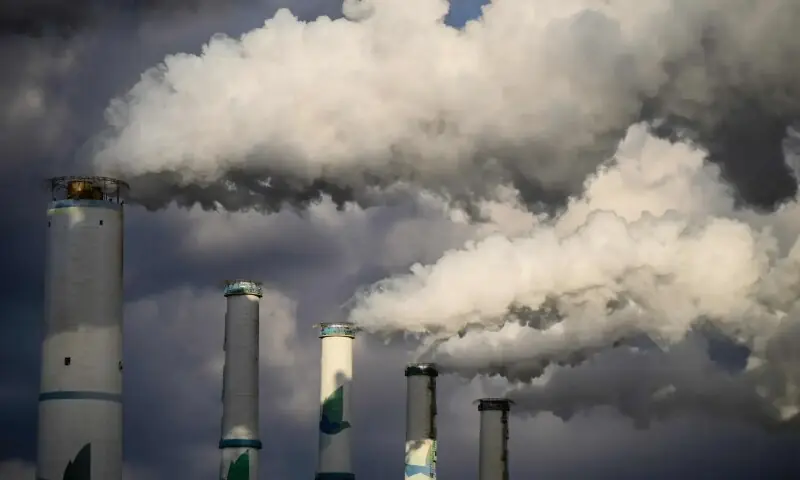
Global fossil fuel emissions are projected to fall slightly in 2026 due to the expansion of renewable energy and the oil price shock sparked by the Iran war, researchers said on Nov 10.
2026-11-10 · The Straits Times
Fossil fuel emissions fall due to Iran war, renewables: Research · assertive framing

Claims (20 extracted, 1 hedged)

Fossil fuel emissions fall due to Iran war, renewables: Research AI generated Antalya, Turkey – asserted
AI → fall → war
Global fossil fuel emissions are projected to fall slightly in 2026 due to the expansion of renewable energy and the oil price shock sparked by the Iran war, researchers said on Nov 10. asserted
researchers → project → Nov
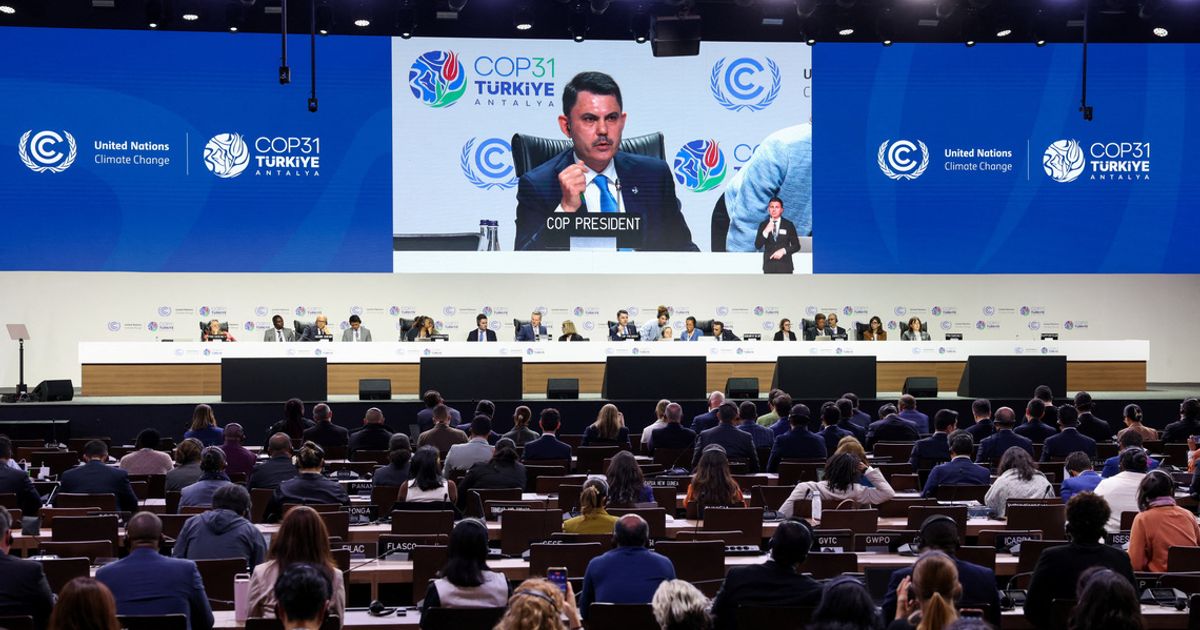
Emissions from the burning of oil, gas and coal – the main drivers of climate change – rose by 0.9% a year on average in the past decade, hitting a record high in 2025, according to the Global Carbon Budget report. But they are expected to drop by 0.4% in 2026, according to the research, published as nations meet at the United Nations’ COP31 climate summit in Antalya, Turkey. uncertain
nations → rise → Antalya
It would be the first annual drop since 2020, when the Covid-19 pandemic paralysed the global economy, trade and transport. asserted
pandemic → paralyse → economy
In 2026, the US-led war in Iran and the closure of the Strait of Hormuz played a role in driving emissions down as these caused a drop in oil consumption amid soaring crude prices, the researchers found. asserted
researchers → lead → prices
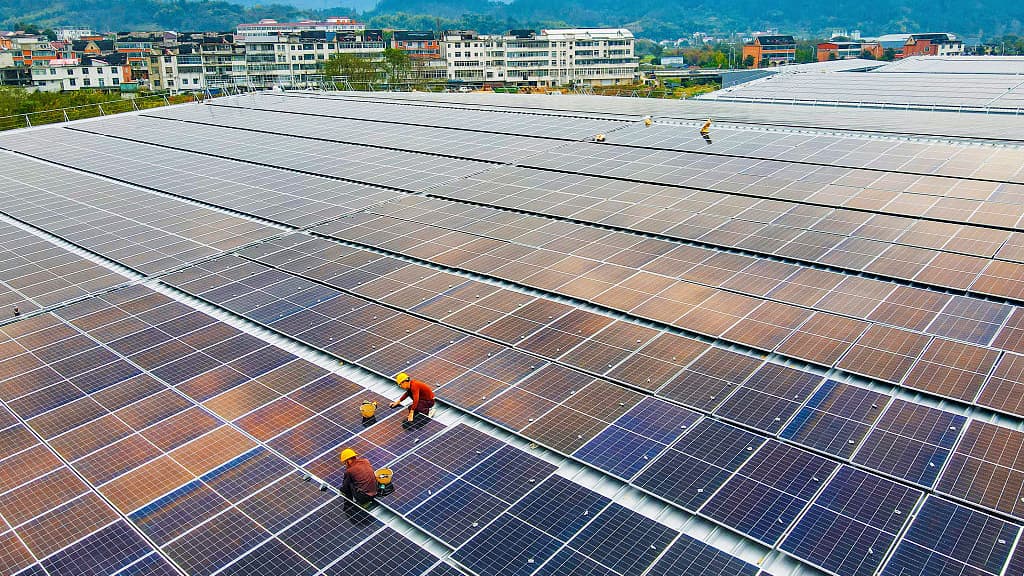
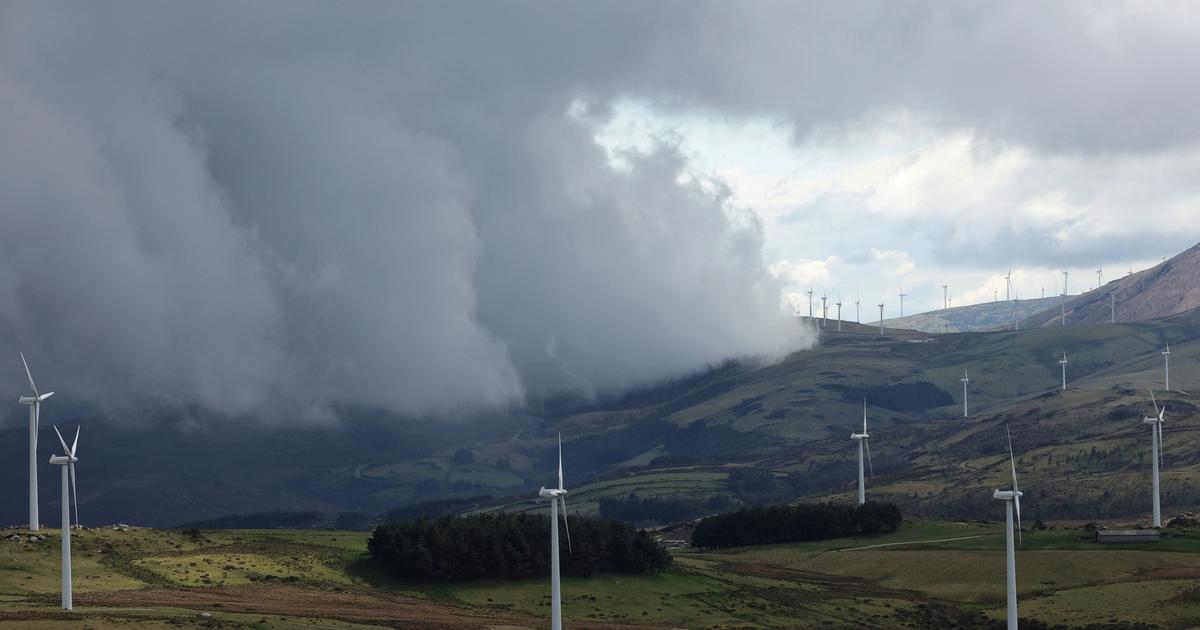
The deployment of solar panels, wind farms and electric vehicles also contributed to the drop. asserted
deployment → contribute → drop
Two-thirds of the increase in global energy demand are being met by solar and wind power and electric vehicles, the report found. asserted
report → meet → power
“A decline in fossil CO2 emissions is encouraging, but a reduction driven partly by geopolitical shocks is not a sustainable climate solution,” said Pierre Friedlingstein, director of the Global Carbon Budget Office at the University of Exeter in Britain. asserted
Friedlingstein → drive → Britain
“The long-term answer remains the rapid deployment of clean energy technologies,” said Friedlingstein, who led the study published in the journal Earth System Science Data. asserted
who → remain → journal
Rebound looms Corinne Le Quere, a climate change science professor at the University of East Anglia, noted that emissions rebounded when economies recovered following shocks such as Covid-19 or the global financial crisis. asserted
economies → loom → Covid-19
A rebound is likely “when the oil tensions go away”, she said in a media briefing. asserted
she → go → briefing
Oil-related emissions are projected to drop 1.9%, but it is “likely a short-term response to the energy shock triggered by the Iran conflict”, the researchers said. asserted
researchers → relate → conflict
Gas emissions are set to fall 0.3%, while those from coal use will rise 0.6%. asserted
those → set → use
Overall, fossil carbon dioxide emissions are expected to reach 38.2 billion tonnes in 2026. asserted
emissions → expect → 2026
Including emissions from land-use change such as deforestation, total CO2 emissions are projected to rise to 43.3 billion tonnes, from 42.8 billion tonnes in 2025. asserted
emissions → include → 2025
The researchers said land-use emissions are projected to rise partly due to peat fires and forest degradation in South-east Asia, associated with drier conditions linked to the exceptionally strong El Nino climate pattern in 2026. asserted
emissions → say → 2026
The report found that the world’s carbon budget – the amount of CO2 that can be emitted before global warming exceeds 1.5 deg C above pre-industrial levels – stands at 150 billion tonnes. asserted
warming → find → tonnes
The researchers calculated that at the current rate, the carbon budget would be exhausted in less than four years. asserted
budget → calculate → years
Nations agreed at the 2015 UN climate talks in Paris to keep global warming “well below” 2 deg C above pre-industrial levels, while pursuing efforts to limit it to 1.5 deg C. But the UN declared in September that the long-term 1.5 deg C target would be missed in a matter of years. asserted
target → agree → years
Scientists say it is crucial to reduce greenhouse gas emissions from fossil fuels to limit the period of “overshoot” above 1.5 deg C and bring temperatures back down as quickly as possible. asserted
it → say → temperatures

Give feedback · no sign-in needed

No sign-in needed for now. Your note is sent without a name, so it cannot be answered.

History Support