Photo via The Guardian

EU moves closer to social media ban for under 13s

Read the original at The Guardian ↗
Cite

Strasbourg, J. R. i. (2026, September 16). EU moves closer to social media ban for under 13s. The Guardian. https://www.theguardian.com/world/2026/sep/16/eu-social-media-ban-under-13s

Dated when The Aporia collected the article, usually within hours of publication. Check the original for its exact date and byline.

The Guardian · collected 2026-09-16 · by Jennifer Rankin in Strasbourg

Quick Summary

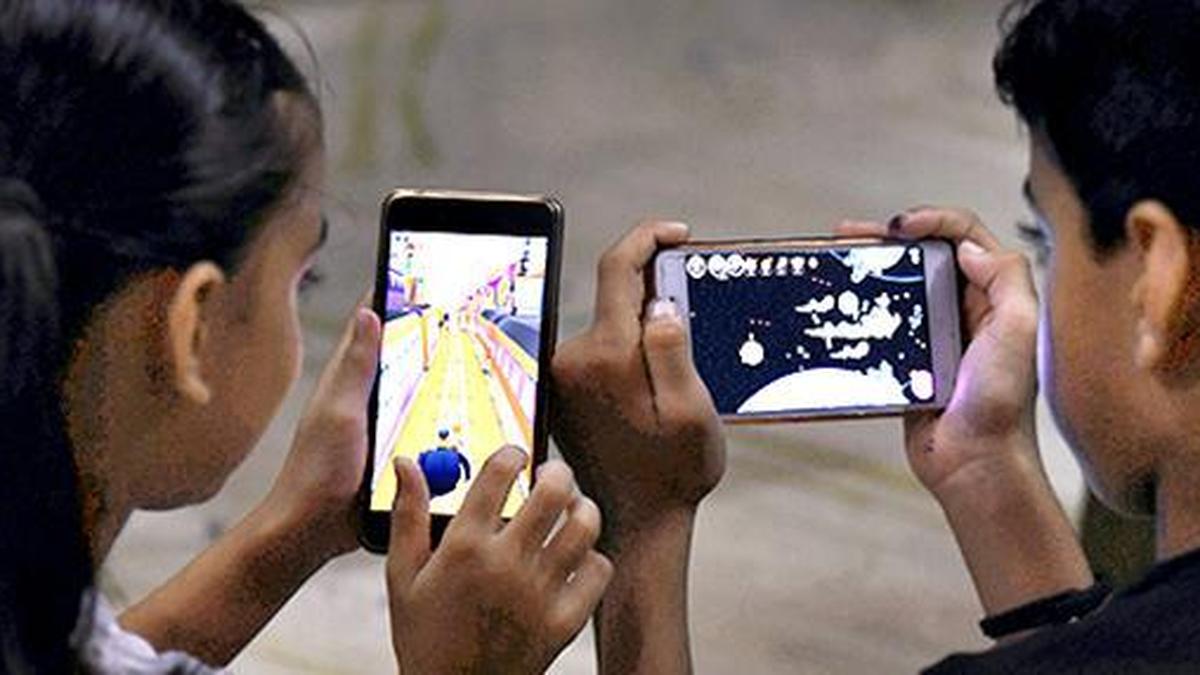
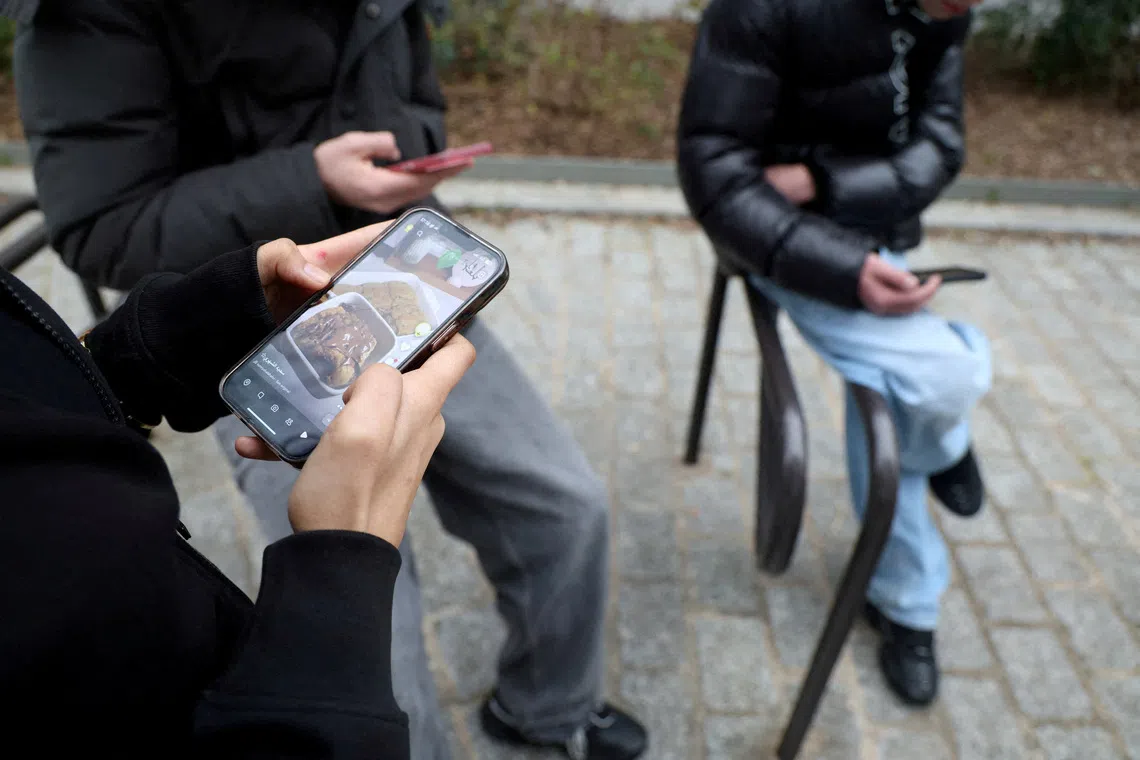
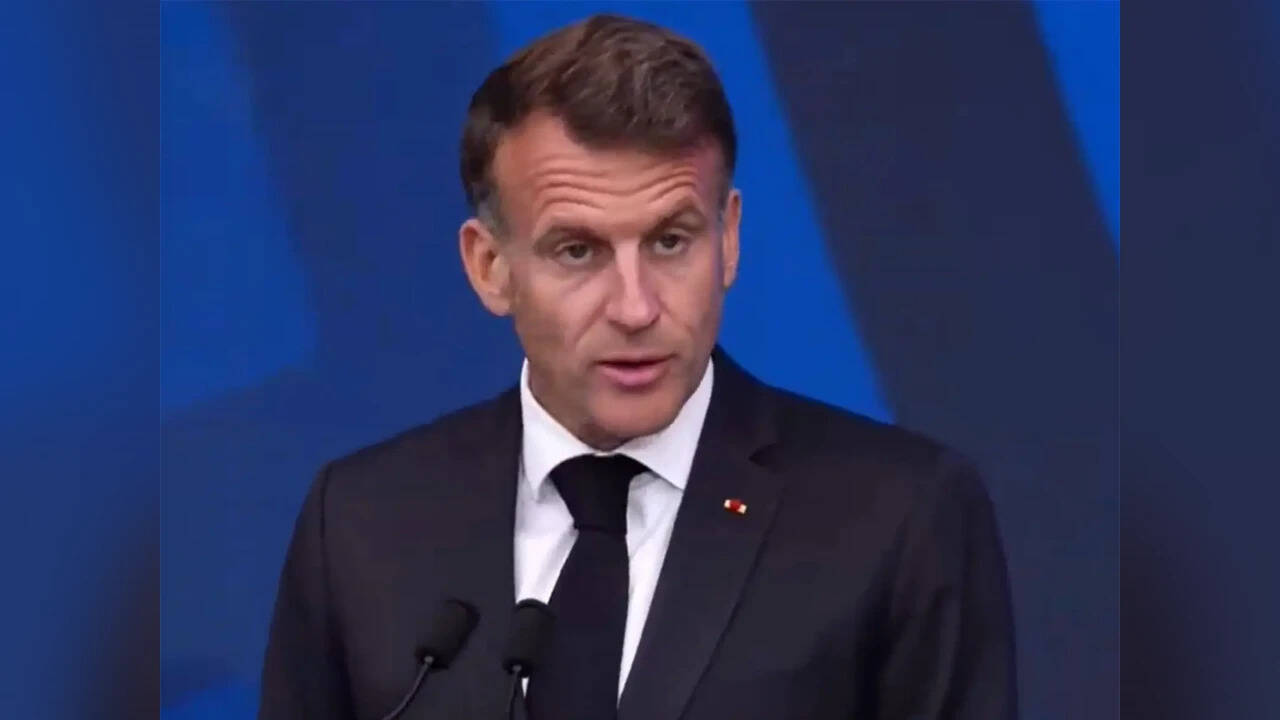
Ursula von der Leyen, head of the European Commission, announced plans during her annual state of the union address for a total ban on social media use by those under 13 years old across the EU. She also proposed "mini accounts" with parental supervision and usage limits for children aged 13 to 15. The draft law will be published on Thursday and must be approved by the European parliament and all member states before becoming effective. Von der Leyen highlighted concerns over features like addictive design that she claims are harmful, as part of her broader Digital Fairness Act initiative scheduled later this year.
Written by AI on 2026-09-16, from this article's own text only (the story summary below draws on all the coverage).
See how they differ ↓

AI analysis

Story summary

The European Commission is set to propose a ban restricting children under 13 from accessing social media, video-sharing platforms, AI chatbots, and online games. The proposal, part of the "EU KIDS Act," aims to protect children's health and safety amid growing concerns over digital platform risks. For those aged 13-14, parents will have to set up limited accounts with strict time limits under parental control, allowing no more than one hour per day of usage. The plan also mandates that tech companies design their platforms "safe by default" for children and remove potentially addictive features like infinite scrolling. While the proposal faces privacy concerns from tech lobbying groups, it is expected to undergo negotiations with EU countries and the European Parliament before becoming law.

Written for “EU Social Media Ban For Minors” on 2026-11-20, grounded in this article and the 6 other(s) covering the same event.

How they differ

5 outlets covered “EU Social Media Ban For Minors”.

What each outlet says

One AI summary per outlet of its latest article on this story, written from that article alone and checked against it. Open the article for the outlet's own words.

The GuardianThis outlet16 Sep

Ursula von der Leyen, head of the European Commission, announced plans during her annual state of the union address for a total ban on social media use by those under 13 years old across the EU. She also proposed "mini accounts" with parental supervision and usage limits for children aged 13 to 15. The draft law will be published on Thursday and must be approved by the European parliament and all member states…

EU moves closer to social media ban for under 13s (this article)
The Straits Times17 Sep

The European Commission has proposed the KIDS Act, which would ban social media use by those under 13 and restrict usage for 13- and 14-year-olds with parent-supervised "mini accounts." The act also mandates that platforms remove addictive features like infinite scrolling and push notifications during sleep hours. For children's profiles, geolocation, camera, and microphone access must be disabled by default. Social…

What is in the EU's planned KIDS Act? →3 articles from The Straits Times on this story
South China Morning Post15 Sep

The European Union plans to propose new regulations restricting access to social media, video-sharing platforms, chatbots, and online games for children under 15 years old. The proposed “EU KIDS Act” would ban minors under this age from creating their own accounts and introduce a tiered system of supervised access. Additionally, tech companies would be required to design safer features for children, eliminating…

EU to propose curbing social media, online games for under 15s →
The Hindu15 Sep

The European Union is developing the EU Kids Act, which proposes restricting children under 15 from creating accounts on social media and video-sharing platforms like Instagram and TikTok without parental involvement. The plan also considers banning access for those under three years old and extending regulations to AI chatbots and online gaming platforms. For ages 3 to 12, parents would have full control over…

How EU plans to keep children under 15 off social media →
BBC17 Sep

The European Union has proposed a plan called the EU Kids Act to regulate social media access for minors, aiming to enhance online safety and well-being. Under this proposal, children under 13 would be banned from using social media platforms entirely, while those aged 13 to 15 could use them for only one hour per day through accounts linked to their parents or guardians. The plan also mandates that social media…

EU announces plan to restrict social media access for children →

Where they agree and split

Framing

How the first headlines put it

Stated as fact3
The headlines (3)

EU is set to propose ban on social media and AI chatbots for under-15s The Straits Times · stated as fact

EU to propose curbing social media, online games for under 15s South China Morning Post · stated as fact

How EU plans to keep children under 15 off social media The Hindu · stated as fact

The full story: what happened, how it changed, and all 7 articles →

Compared with similar articles

This article reads unscored and hedges 5% of its claims. Each row says how that neighbour differs.
BBC News
Leans left Hedges 1 of 9 claims Outlet record 65/100
South China Morning Post
Leans left Hedges 1 of 4 claims Outlet record 62/100
The Straits Times
Hedges 1 of 19 claims Outlet record 64/100
The Hindu
Leans left Hedges 11 of 31 claims Outlet record 60/100
“The articles discuss different stages of the EU's policy process regarding children and social media, with Article A referring to plans being prepared and Article B reporting on confirmation and promises for a draft law.”
The Straits Times
Leans left Hedges 1 of 13 claims Outlet record 64/100
“While both articles discuss a proposed EU ban on social media for under-13s, they describe different points in time and stages of the proposal (one is about confirmation and the other about publishing the plan).”
The Straits Times
Hedges 4 of 19 claims Outlet record 64/100
“The articles describe related EU plans but focus on different proposed age restrictions and details.”
Times of India
Hedges 2 of 22 claims Outlet record 59/100
“Article A describes Macron's call for EU action regarding a social media ban for children under 15, while Article B reports on the head of the European Commission, Ursula von der Leyen, confirming plans for an under-13s social media ban and detailing its specifics.”

Story

EU Social Media Ban For Minors
Politics · 7 article(s) covering the same event. Compare every outlet's account →
How this article was measured signals, leaning charts, publisher record, byline, topics and claims

Signals How these are calculated →

Claims extracted
19
sentences that state something as happening or true
Uncertain
5%
1 of 19 hedged ("reportedly", "may", "according to")
Leaning
withheld
no quote in the article backed the model's score
Publisher signals
64/100
The Guardian's corrections and hedging, across everything collected from it. Not a measure of accuracy.
Outlets on this story
7
Politics
Same framing elsewhere
1
articles that frame the event the way this one does
Analyzed 2026-09-16 · how these are computed

How this is being covered How these are calculated →

Article leaning vs. publisher reliability
Source leaning vs. consistency

Publisher

The Guardian · 3712 article(s) · 8 correction(s) detected
Running correction rate · 8 correction(s)

Who wrote this

Jennifer Rankin in Strasbourg
2 article(s) here · 1 carrying a prediction
The EU will move forward with plans for an under 13s social media ban, the head of the European Commission has confirmed.
2026-09-16 · assertive framing · EU moves closer to social media ban for under 13s
Mark Carney said Canada will pursue a “unique security and economic alliance” with Europe as he positions his country as a base to build in the “new global economic order”.
Also by Jennifer Rankin in Strasbourg
Nothing else under this byline is closely related to this article, so these are simply their most recent.

Topics

Canada European Nato Ukraine article 4

Subjects

European NORP · 6× Von der Leyen PERSON · 4× Canada GPE · 3× Nato ORG · 2× Russia GPE · 2× Ukraine GPE · 2× Spanish NORP · 1× Strasbourg GPE · 1× Ursula von der Leyen PERSON · 1× the European Commission ORG · 1×

Narrative

In a wide-ranging speech covering the EU’s place in a turbulent world and plans for continent-wide legislation, she also promised a European heatwave plan and committed to an emergency response mechanism to deal with sudden inflows of migrants, in response to events in the Spanish enclave of Ceuta in August.
framing: assertive · carried by 1 article(s) · first seen 2026-09-16
The EU will move forward with plans for an under 13s social media ban, the head of the European Commission has confirmed.
2026-09-16 · The Guardian
EU moves closer to social media ban for under 13s · assertive framing

Claims (19 extracted, 1 hedged)

The EU will move forward with plans for an under 13s social media ban, the head of the European Commission has confirmed. asserted
head → move → Commission
Ursula von der Leyen said on Wednesday that social media apps were “depriving children of their childhood” and that big tech platforms needed to prove the safety of their products. asserted
platforms → say → products
She promised a draft law for a total ban on social media for under 13s, while children aged 13-15 would be allowed “mini accounts” under parental supervision with time limits on apps. asserted
children → promise → apps
The commission will publish its social media plan on Thursday, which will have to be agreed by the European parliament and 27 EU member states if it is to become law. asserted
it → publish → parliament
Von der Leyen also promised that the commission’s Digital Fairness Act, due to be submitted to the European parliament later this year, would tackle features such as addictive design, which, she said was “harming everyone”. asserted
she → promise → everyone
The commission president made the comments in Strasbourg as part of her annual state of the union address. asserted
president → make → address
In a wide-ranging speech covering the EU’s place in a turbulent world and plans for continent-wide legislation, she also promised a European heatwave plan and committed to an emergency response mechanism to deal with sudden inflows of migrants, in response to events in the Spanish enclave of Ceuta in August. asserted
she → range → August
Invoking “an openly hostile world”, von der Leyen went on to make an unprecedented invitation to Canada to become an “associate member” of the EU, and pledged to set out ideas for a European security council involving Canada, Norway, Ukraine and the UK. asserted
Leyen → invoke → Canada
The former German defence minister said the EU needed its version of Nato’s article 4 – an “emergency security protocol” that means all member states would convene at the request of another in response to a hybrid attack. asserted
states → say → attack
“Europe needs its own counter-hybrid playbook,” she argued. asserted
she → need → playbook
“We urgently need a consensus on how to respond to certain incidents – those which fall below armed aggression but clearly threaten our national security.” asserted
which → need → security
Nato’s article 4, which is separate from the collective defence clause, article 5, means members of the alliance can consult when one of them believes their territorial integrity, political independence or security is threatened. asserted
integrity → mean → them
European nations have recently faced a series of hostile acts attributed to Russia, including sabotage, incursions by jets into European airspace and a drone attack on Leipzig airport. asserted
nations → face → airport
Warning that Ukraine faced a tough winter, von der Leyen suggested the EU may have reached its limits on economic restrictions against Russia. uncertain
EU → warn → Russia
“What is needed is not necessarily new sanctions, but above all the enforcement of existing sanctions,” she said. asserted
she → need → sanctions
After 21 rounds of measures, EU member states have found it increasingly difficult to agree sanctions on the Kremlin’s war machine, wary of the cost to their own economies. asserted
it → find → economies
Von der Leyen also touched on Europe’s divisions over whether or not to introduce restrictions on trade with Israel and its illegal settlements in the West Bank. asserted
Leyen → touch → Bank
The commission has declined to publish a proposal to ban trade with illegal Israeli settlements, though several EU member states and allies including France, Canada and the UK have moved in this direction. asserted
states → decline → direction
“When Europe is divided, it cannot change the course of events,” she said. asserted
she → divide → events
Give feedback · no sign-in needed

No sign-in needed for now. Your note is sent without a name, so it cannot be answered.

History Support