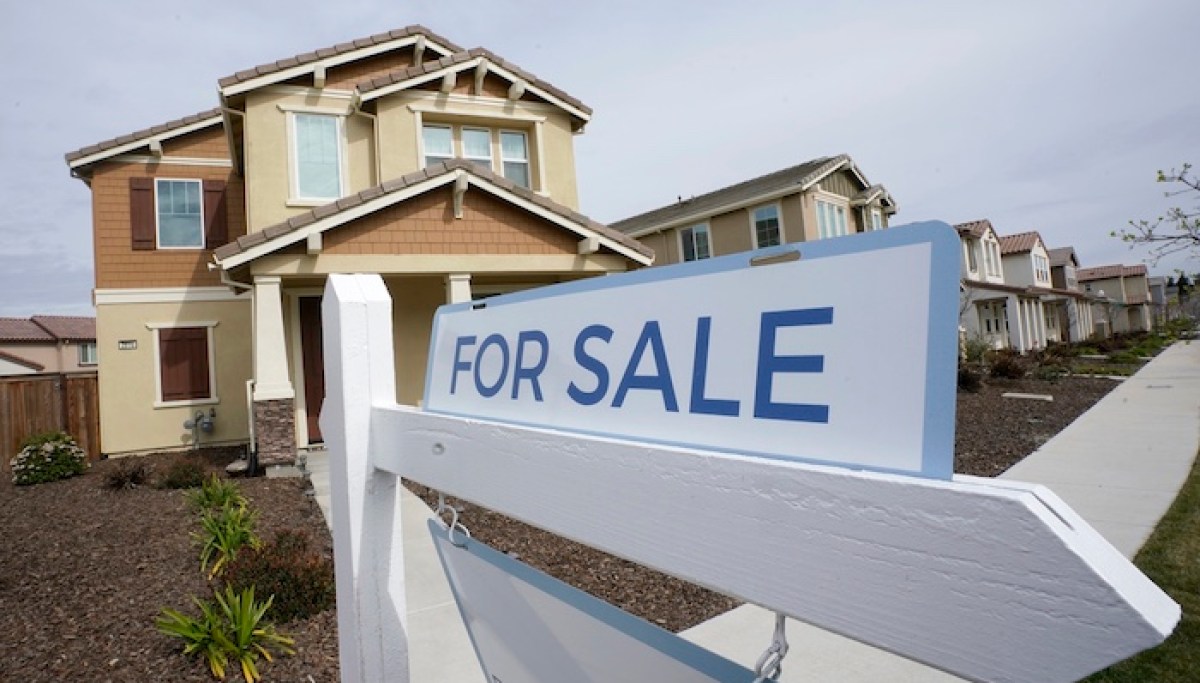
Last night, voters in seven states were asked whether they wanted to reduce property taxes through statewide ballot initiatives.
asserted
they → ask → initiatives
Voters in Florida, North Carolina, Louisiana, Tennessee, and Georgia said yes, while those in Wyoming and Oklahoma said no.
asserted
those → say → Wyoming
These ballot proposals follow dozens of property tax relief measures enacted in recent years in states like Texas, Ohio, and North Dakota.
asserted
proposals → follow → Texas
The proposal, which was at one point called "Save Our Homes from Excessive Property Taxes," will exempt the first $250,000 of a primary home's value from nonschool district property taxes by 2028, with the exemption level adjusted for inflation going forward.
asserted
level → call → inflation
The proposal also limits how much assessed values of nonprimary residences can rise each year, lowering the cap from 10 percent to 5 percent.
asserted
values → limit → percent
The initiative passed with 62 percent of the vote, with 60 percent support needed to pass.
asserted
support → pass → vote
The Florida Legislature's Revenue Estimating Conference (REC), a nonpartisan panel of state economists, estimated that by 2028, when the new exemption is fully implemented, it will reduce property tax revenues by $12 billion annually statewide.
asserted
it → estimate → billion
Comparing REC's estimates against Reason Foundation's city and county revenue data, the impact expected by 2028 amounts to about 10 percent of what Florida's counties collected in 2024, and 6 percent of what its cities collected.
asserted
cities → compare → what
Wyoming voters said no to a similar measure.
asserted
voters → say → measure
Initiative 1 would have exempted half of a primary residence's home value from property taxes.
asserted
Initiative → exempt → taxes
The state already exempts 25 percent of a primary residence's value, up to $1 million.
asserted
state → exempt → value
In Oklahoma, voters rejected State Question 847, which would have lowered the maximum amount taxable property values can increase each year.
asserted
values → reject → amount
Meanwhile, North Carolina passed a constitutional amendment requiring the state legislature to limit how much local governments could increase their total property tax collections.
uncertain
governments → pass → collections
Tennessee passed Amendment 2, which outright prohibits the state government from levying property taxes.
asserted
which → pass → taxes
The state had already repealed its state-level property tax in 1949, but the prohibition is now enshrined in the state constitution.
asserted
prohibition → repeal → constitution
(Local governments can still levy property taxes.)
asserted
governments → levy → taxes
Louisiana voters approved four narrow reforms that expand property tax exemptions for seniors, surviving spouses of disabled veterans, as well as eligibility for property assessment freezes.
asserted
that → approve → freezes
Voters rejected two other proposals: one allowing tax exemptions for rehabilitated properties and another giving local governments greater flexibility to raise property tax rates without seeking additional voter approval.
asserted
Voters → reject → approval
Georgia approved Amendment 1, which expands the preferential property tax treatment for agricultural and timberland properties.
asserted
which → approve → properties
Heightened inflation, years of low interest rates, and the growth of remote work during the COVID-19 pandemic contributed to a nationwide surge in home prices.
asserted
inflation → contribute → prices
The effects were especially pronounced in areas that attracted large numbers of new residents during the pandemic, many of which are red states.
asserted
many → attract → which
For example, the Texas comptroller reported that median home prices in the state increased by 40 percent between 2019 and 2023.
asserted
prices → report → 2019
Another factor was that state and local governments emerged from the pandemic with a stronger fiscal position.
asserted
governments → emerge → position
During the pandemic, Congress provided hundreds of billions in additional federal aid to state and local governments through the Coronavirus Aid, Relief, and Economic Security (CARES) Act and the American Rescue Plan, along with substantial additional aid for specific programs.
asserted
Congress → provide → programs
This, combined with strong tax collections, helped produce large operating surpluses and improve government balance sheets.
asserted
This → combine → sheets
As some homeowners have increasingly struggled with rising tax bills, many of their governments have accumulated savings.
asserted
many → struggle → savings
Supporters of these ballot measures hope that restricting property tax revenues will force their cities, counties, and school districts to cut unnecessary spending.
asserted
restricting → hope → spending
But property taxes are the largest source of revenue that America's local governments raise themselves, accounting for roughly 44 percent of that revenue, compared with only 9 percent from sales taxes.
asserted
governments → raise → taxes
Given the scale of the revenue involved, significantly reducing or abolishing property taxes would require major spending cuts or corresponding reductions in the services local governments are expected to provide.
asserted
governments → give → services
Focusing on tax cuts, rather than spending cuts, may not produce the savings taxpayers expect.
uncertain
taxpayers → focus → savings
Instead of reducing the cost and scope of operations, local governments are more likely to compensate for foregone property tax revenue by raising sales taxes or other taxes, requesting additional transfers from their state governments or Washington, or deferring expenditures and issuing more debt.
asserted
governments → reduce → debt
This is not to say tax limits are not a legitimate constraint on government growth.
asserted
limits → say → growth
But they are generally more effective in preventing spending growth than reducing established spending.
asserted
they → prevent → spending
If lawmakers and taxpayers want local governments to cost significantly less, they must first decide which responsibilities to shed and where spending can be reduced.
asserted
spending → want → responsibilities
Otherwise, taxpayers may be surprised to find that the tax relief they received on one end has reappeared on the other.
uncertain
they → find → other

 The Aporia