Photo via 404 Media

‘There Is One Fight’: American Voters Reject Tech Oligarchy

Read the original at 404 Media ↗
Cite

Koebler, J. (2026, November 4). ‘There Is One Fight’: American Voters Reject Tech Oligarchy. 404 Media. https://www.404media.co/there-is-one-fight-american-voters-reject-tech-oligarchy/

Dated from the outlet's own feed. Check the original for its byline.

404 Media · collected 2026-11-04 · by Jason Koebler

Quick Summary

Tuesday's election results reflect a widespread rejection of what is described as an oppressive, corrupt system dominated by tech oligarchs and aligned with former President Donald Trump. Voters across different states expressed frustration with the negative impacts of technology like AI on job security and societal well-being, alongside concerns about political influence peddling and regulatory rollbacks under Trump's administration. The article highlights how major tech CEOs have aligned closely with Trump, contributing to policies that critics argue harm public welfare while benefiting corporate interests.
Written by AI on 2026-11-04, from this article's own text only (the story summary below draws on all the coverage).
See how they differ ↓

AI analysis

Story summary

In the 2026 US midterm elections, voters across nine states overwhelmingly rejected data center projects, passing moratoriums and outright bans in more than 30 localities. Despite initial concerns and predictions that data centers would play a significant role in shaping election outcomes, the actual election results showed that most voters, including many self-identified Republicans, opposed having new data centers in their communities. This rejection of data centers benefited Democratic candidates, who campaigned against the rapid expansion of AI and data centers, highlighting concerns over job loss, surveillance, and economic impacts. Key Democratic victories in states like Ohio and Texas suggest that issues related to AI and data centers may become a central theme in future American politics, reflecting a growing anti-AI populism.

Written for “Data center backlash in midterms” on 2026-11-21, grounded in this article and the 34 other(s) covering the same event.

How they differ

17 outlets covered “Data center backlash in midterms”.

What each outlet says

One AI summary per outlet of its latest article on this story, written from that article alone and checked against it. Open the article for the outlet's own words.

404 MediaThis outlet4 Nov

Tuesday's election results reflect a widespread rejection of what is described as an oppressive, corrupt system dominated by tech oligarchs and aligned with former President Donald Trump. Voters across different states expressed frustration with the negative impacts of technology like AI on job security and societal well-being, alongside concerns about political influence peddling and regulatory rollbacks under…

‘There Is One Fight’: American Voters Reject Tech Oligarchy (this article)2 articles from 404 Media on this story
CBS News6 Nov

Exit polls from the 2026 elections indicate that AI played a significant role for over half of the voters, although data centers were not the most critical issue. The polls showed majorities in all states opposed having new data centers built locally, benefiting Democratic candidates who campaigned against them. However, even many self-identified Republicans were resistant to data center construction despite voting…

Exit polls show data centers weren't winners in 2026 elections →7 articles from CBS News on this story
The Straits Times4 Nov

In the recent US midterm elections, voters in numerous towns across the country overwhelmingly rejected proposals related to data center developments. Notably, Harwood, North Dakota, was the sole exception where residents voted against a measure designed to limit such industrial projects. Around 430 out of about 800 residents cast their ballots, with approximately three-quarters opposing the initiative aimed at…

US midterms: Only one town out of dozens in US voted in favour of data centres →3 articles from The Straits Times on this story
Semafor5 Nov

After winning majorities in Congress, Democrats see artificial intelligence (AI) regulation as a key issue. However, internal disagreements between progressive and business-friendly factions within the party make it challenging to swiftly implement sweeping regulations. Conservative groups argue that voters are concerned about economic issues linked to rapid AI growth under the previous administration. Despite these…

Democrats are fired up on AI. Consensus is harder. →3 articles from Semafor on this story
South China Morning Post6 Nov

Forecasters are warning that the Democratic victory in the midterm elections may lead to regulatory changes that could stall up to 30% of planned artificial intelligence data centers in the United States. This potential clampdown includes project freezes proposed in Texas and increased federal oversight, which would significantly impact Big Tech's infrastructure spending plans.

Does the Democratic midterm victory spell the end of US AI data centre boom? →3 articles from South China Morning Post on this story
Washington Examiner5 Nov

Newly elected Democratic governors in several states are threatening to slow down or impose restrictions on data center development. In Texas, Governor-elect Gina Hinojosa plans to impose a moratorium until the state imposes regulatory guardrails, including requirements for hiring union workers and protecting water resources. Similarly, Georgia’s Governor-elect Keisha Lance Bottoms said she will sign an executive…

Daily on Energy: Newly elected Democratic governors threaten data center development →3 articles from Washington Examiner on this story
Show 10 more outlets
The Guardian9 Nov

Garrison Lovely argues that opposition to artificial intelligence (AI) is becoming a significant political force in America. The Democratic Party's success in the midterms was partly due to voter rejection of AI datacenters, with over 30 localities across nine states passing restrictions or moratoriums on such facilities. Voters cited AI as crucial in their decisions at a rate of 23%, and Democrats won these voters…

Anti-AI populism is the future of American politics | Garrison Lovely →3 articles from The Guardian on this story
Reason4 Nov

In the 2026 midterms, data centers became an unexpectedly significant political issue despite initial skepticism. Exit polls showed that AI data centers were crucial or a major factor for many voters, with most ballot initiatives proposing bans or restrictions on them passing overwhelmingly. Although some argued data center issues did not sway votes as strongly as expected based on pre-election polls, the results…

It Was a Data Center Election After All →2 articles from Reason on this story
New York Post2 Nov

The article reports that despite initial media hype about data centers becoming a significant political issue in US midterm elections, voter polls show it ranks among the least important concerns for Americans in key states like Texas and Ohio. Only around 3% of voters in Texas and 2% in Ohio named data centers as their top concern, according to recent CNN polls. Politicians who previously pushed regulations on data…

Data-center fury is a campaign dud →
Time4 Nov

In the 2026 midterm elections on November 3rd, a significant backlash against AI and data center expansion by voters resulted in major defeats for candidates backed by pro-AI industry groups. Democrats spent over $100 million on ads targeting Republicans’ ties to Big Tech, winning key races such as Ohio’s Senate election. Data center bans passed in multiple counties, and mayors supporting these projects were…

How AI Backlash Shaped the 2026 Midterms →
ABC News (AU)5 Nov

Voters in ten US states rejected data centre proposals in recent midterm elections, with about 41 measures overwhelmingly failing. Democrat Gina Hinojosa's victory in Texas, where she campaigned against data centre construction, further underscores the political toxicity of these projects. Political ads heavily criticized data centres, and exit polls showed that three-quarters of voters oppose such constructions in…

US rejection of data centres is a warning for Australia — and maybe leverage →
Mother Jones5 Nov

Voters across ten states rejected data center projects in nearly 40 towns during recent midterms, with only one measure passing in Harwood, North Dakota. Nationally, 77 percent of voters voted against data center development, largely driven by concerns over environmental justice and rising utility costs. In places like Joliet, Illinois, where communities have long fought industrial pollution, nearly 80 percent…

Midterm Rout for Data Centers: Voters in Nearly 40 Towns Rejected Projects →
The Intercept5 Nov

Midterm elections saw a significant victory for candidates and ballot measures restricting or halting data center development across several states. Newly elected Democratic governors in Georgia, Ohio, and Texas have promised moratoriums on new construction, echoing sentiments from local communities that overwhelmingly approved ballot initiatives against these facilities. Public policy experts attribute this trend…

Blue Tsunami’s Clearest Takeaway: People Hate Data Centers →
The Dispatch6 Nov

The article reports that despite expectations of significant influence, the AI industry faced numerous setbacks during the 2026 midterm elections. A deep-pocketed super PAC supported by Silicon Valley leaders aimed to shape election outcomes but encountered various problems instead. The piece highlights how efforts by corporate AI interests did not achieve their intended impact, reflecting a series of missteps and…

The Midterms’ Other Big Loser: AI →
ABC News (US)6 Nov

In the recent U.S. midterm elections, opposition to data centers emerged as a significant issue in hundreds of millions of dollars' worth of TV ads and campaign promises. Democrats who won governorships in several key states pledged stricter regulation on these energy-intensive facilities. For instance, Clayton Tucker in Texas attributed his victory partly to his stance against data center development due to…

Data centers took a beating in the midterm elections →
BBC6 Nov

A recent US midterms voter poll suggests that data centers were a significant issue for many voters, with 56% saying they were crucial or major factors in their vote and 76% opposing new constructions locally. The poll highlights growing public opposition to the expansion of artificial intelligence infrastructure, particularly among those who voted Democrat. Although other issues like government corruption and cost…

Did a data centre revolt affect the US mid-term election results? →

Compared with similar articles

This article reads leans strongly left and hedges 9% of its claims. Each row says how that neighbour differs.
Times of India
Leans left further right than this Hedges 6 of 44 claims Outlet record 59/100
“The articles discuss different aspects of the impact of AI on politics and elections, with Article A focusing on voter fears about AI manipulation during midterms and Article B discussing the rejection of a tech oligarchy worldview in an unspecified election.”
South China Morning Post
Hedges 0 of 3 claims Outlet record 62/100
“The articles describe different events: one about a political election rejecting certain tech oligarch views, and another about a business summit in Hong Kong focusing on AI disruption.”
CBS News
Leans left further right than this Hedges 2 of 11 claims Outlet record 66/100
“The articles discuss different aspects of the election: one focuses on voter rejection of tech oligarchy and negative impacts of AI, while the other reports on voter opinions regarding data centers.”
Semafor
Hedges 0 of 22 claims Outlet record 64/100
“The articles describe different aspects of OpenAI's engagement with policy and public opinion, but do not cover the same specific incident or occurrence.”
Platformer
Leans strongly left Hedges 16 of 136 claims Outlet record 96/100
“While both articles discuss reactions to an election, Article A focuses specifically on voter rejection of tech oligarchy and AI negative externalities, while Article B broadly discusses voter dissatisfaction with economic issues and corruption.”
TIME
Leans strongly left Hedges 10 of 70 claims Outlet record 60/100
“While both articles discuss AI's influence on the election results, they describe different aspects of the event: Article A focuses on a quote from Sam Altman and the repudiation of his worldview, while Article B discusses the broader impact of AI backlash on the midterm elections.”
South China Morning Post
Leans strongly left Hedges 1 of 3 claims Outlet record 62/100
“Both articles discuss voter reactions but focus on different aspects: Article A critiques a broader tech oligarchy and AI-related issues, while Article B specifically addresses voter opposition to Trump's China AI pitch and data center projects.”
The Guardian
Leans strongly left Hedges 5 of 30 claims Outlet record 64/100
“While both articles discuss the political and market reactions to AI technology following an election, they describe different aspects of a broader trend rather than the exact same incident.”
The Guardian
Leans strongly left Hedges 5 of 32 claims Outlet record 64/100
The Straits Times
Hedges 1 of 26 claims Outlet record 64/100
“While both articles discuss the US midterm elections on November 4, 2026, they focus on different aspects of the event. Article A emphasizes the impact of data-centre opponents and Democrats' wins in Texas and Georgia, whereas Article B discusses a broader rejection of tech oligarchy and includes comments from Sam Altman about AI's negative impacts.”

Story

Data center backlash in midterms
Politics · 35 article(s) covering the same event. See how they differ ↑
How this article was measured signals, leaning charts, publisher record, byline, topics and claims

Signals How these are calculated →

Claims extracted
43
sentences that state something as happening or true
Uncertain
9%
4 of 43 hedged ("reportedly", "may", "according to")
Leaning
Leans strongly left
of the writing, not the subject · beta estimate
Publisher signals
95/100
404 Media's corrections and hedging, across everything collected from it. Not a measure of accuracy.
Outlets on this story
35
Politics
Same framing elsewhere
1
articles that frame the event the way this one does
Analyzed 2026-11-04 · how these are computed

How this is being covered How these are calculated →

Article leaning vs. publisher reliability
Source leaning vs. consistency

Publisher

404 Media · 223 article(s) · 0 correction(s) detected
No corrections detected for this publisher. That may mean careful reporting, or simply that nothing has been checked.

Who wrote this

Jason Koebler
30 article(s) here · 1 carrying a prediction
And outages or hacks that previously wouldn’t have been noted at all suddenly get more attention and become part of the narrative.
2026-11-17 · assertive framing · BREAKING: Everything
In his 6,500-word manifesto earlier this year, Mark Zuckerberg said people would use Meta’s AI agents to “work 24/7 on your behalf to improve your relationships, health, career, finances, home management, hobbies, and more.”
2026-11-17 · assertive framing · A Man and His Muse AI Agent Sue Meta
When writer and musician Samantha Shokin noticed her cover of a public domain Bulgarian folk song had been copyright struck on YouTube, she assumed it would be easy to fix.
2026-11-16 · assertive framing · AI-Powered Copyright Hell
The policy tweaks show that big AI corporations will protect other big corporations when their users find ways to use LLMs to circumvent the artificial constraints that hardware manufacturers put on their devices.
2026-11-10 · assertive framing · Come and Take It
Trump has pardoned crypto criminals, his family has made billions of dollars in cryptocurrency scams, and has overseen the rise of a gambling and prediction market-based “economy” rife with insider trading and misery (the idea of the administration doing anything to crack down on this is so implausible that to even suggest it could happen is laughable).
But if you're in the EU or UK, you might be in luck and can object to that use of your data, as some users have pointed out.
2026-10-28 · assertive framing · Objection, your honor
“But there’s a lot of work associated with maintaining software so there may be a lot of instances where the software may not be reliable enough to use—I don’t know how many companies are going to be adopting these clones.”
In fact, with a small amount of Googling and/or clicking around social media, it is easy to find out everything you would ever need to know about the robot and what happened here.
Hill's decision will not set a binding precedent and there are several other cases throughout the nation considering the legality of warrantless ALPR searches.
Humoring the idea that LLMs are or could be conscious is a third-rail topic among many people who study and criticize AI.
Also by Jason Koebler
BREAKING: Everything
2026-11-17 · 404 Media
A Man and His Muse AI Agent Sue Meta
2026-11-17 · 404 Media
AI-Powered Copyright Hell
2026-11-16 · 404 Media
Come and Take It
2026-11-10 · 404 Media
Nothing else under this byline is closely related to this article, so these are simply their most recent.
All 30 articles by Jason Koebler →

Topics

Blue States ChatGPT OpenAI Politico Red States

Subjects

Trump PERSON · 8× Elon Musk PERSON · 3× Republicans NORP · 2× Sam Altman PERSON · 2× Altman PERSON · 1× Blue States NORP · 1× OpenAI ORG · 1× Politico ORG · 1× Purple States GPE · 1× Red States GPE · 1×

Narrative

It turns out people do not want to accept “some bad things happening” to pad the valuations and pocketbooks of billionaires and trillionaires when the “bad things” include worsening wealth inequality, a housing and cost of living crisis, mass automation and unemployment, mass surveillance, cuts to government services, foreign wars, loud, polluting data centers that employ a few construction workers while they’re being built and no one after that are being used to increase profits for out-of-state corporations, and a culture war that infringes on the civil rights of immigrants and trans people.
framing: assertive · carried by 1 article(s) · first seen 2026-11-04
Trump has pardoned crypto criminals, his family has made billions of dollars in cryptocurrency scams, and has overseen the rise of a gambling and prediction market-based “economy” rife with insider trading and misery (the idea of the administration doing anything to crack down on this is so implausible that to even suggest it could happen is laughable).
2026-11-04 · 404 Media
‘There Is One Fight’: American Voters Reject Tech Oligarchy · assertive framing

Claims (43 extracted, 4 hedged)

Last month, OpenAI CEO Sam Altman told Politico that “we believe that the world should accept some bad things happening for the benefits of this technology,” referring to ChatGPT users dying, people losing their jobs to AI, and the other negative externalities we have seen from AI. asserted
we → tell → AI
Altman wasn’t running for office Tuesday. asserted
Altman → run → office
But this worldview—that the masses must shut up and suffer while oligarchs centralize power, self-deal, spend wildly to capture the political process, and automate away human endeavors so they can amass yet more wealth—was wholly repudiated in Tuesday’s election as people in Red States, Blue States, and Purple States rejected the cruelty, corruption, and depravity economy we’ve seen over the last few years. asserted
we → shut → years
The main difference between Donald Trump’s administration this term and his first term is that Silicon Valley’s oligarchs have lined up to kiss the ring; look no further than the photos from his inauguration and his gilded gala with China’s President Xi Jinping earlier this fall. asserted
oligarchs → line → Jinping
Every major tech company CEO has spent the last two years flattering Trump, giving him gifts, and trying to capture the political process. asserted
CEO → spend → process
They have been generously rewarded for their fealty and their money as the Trump administration has spent the last two years letting Big Tech do whatever it wants. asserted
it → reward → whatever
Elon Musk was given the keys to the federal government and used them to slash critical government programs, lay off tens of thousands of public servants, and replace collective human expertise with teenaged idiots and AI algorithms. asserted
Musk → give → idiots
His companies have continued to rake in billions in government contracts, his busted AI has been integrated into critical government systems, and the cuts led by his “Department of Government Efficiency” has, conservatively, killed many thousands of people around the world. asserted
cuts → continue → world
Trump has pardoned crypto criminals, his family has made billions of dollars in cryptocurrency scams, and has overseen the rise of a gambling and prediction market-based “economy” rife with insider trading and misery (the idea of the administration doing anything to crack down on this is so implausible that to even suggest it could happen is laughable). uncertain
it → pardon → this
He has installed manosphere podcasters, X trolls, and conspiracy theorists into top administration roles; they have performed even worse than their already low expectations. asserted
they → instal → expectations
He has leveraged commercial surveillance companies to build a brutal, tech-powered mass deportation campaign. asserted
He → leverage → campaign
His government’s communications strategy can be described in no other way than inscrutable AI slop shitposting. asserted
strategy → describe → shitposting
This is to say nothing of the cost of living crisis Trump has caused as he’s started an illegal war in Iran that has driven up gas and diesel prices and levied tariffs on America’s allies for reasons that defy explanation. asserted
that → say → explanation
This has driven up the price of everything even as Trump’s administration slashes regulations on fossil fuel companies and big corporations. asserted
administration → drive → companies
The Trump administration has let Sam Altman, Elon Musk, Dario Amodei, Mark Zuckerberg, Sundar Pichai, and Satya Nadella do whatever they want, even as their products drive mass anxiety, the destruction of the internet as we know it, and have caused corporations to bet that the future is widespread mass unemployment. asserted
future → let → it
Trump has cheered on the construction of data centers even as his base of supporters have said they don’t want them in their communities. asserted
they → cheer → communities
Trump has said American communities should “let data reign” and that if communities “want to be successful and rich” they should build more data centers. asserted
they → say → centers
As a reward for letting Silicon Valley run the country, Elon Musk spent $474 million trying to help Republicans maintain the status quo; super PACs tied to the cryptocurrency and artificial intelligence industries spent roughly $250 million to largely support Republicans and oppose Democrats, according to Molly White’s Tech Influence Watch project. uncertain
PACs → let → project
A16z and people tied to it spent roughly $94.4 million trying to influence the election, according to White. uncertain
A16z → tie → White
This is just a small sample of the ways that Silicon Valley attempted to put its thumbs on the scale of this election to prop up a deeply unpopular administration. asserted
Valley → attempt → administration
And, in nearly every conceivable way, voters aggressively rejected Trump and Silicon Valley’s vision for America. asserted
voters → reject → America
It turns out people do not want to accept “some bad things happening” to pad the valuations and pocketbooks of billionaires and trillionaires when the “bad things” include worsening wealth inequality, a housing and cost of living crisis, mass automation and unemployment, mass surveillance, cuts to government services, foreign wars, loud, polluting data centers that employ a few construction workers while they’re being built and no one after that are being used to increase profits for out-of-state corporations, and a culture war that infringes on the civil rights of immigrants and trans people. asserted
that → turn → immigrants
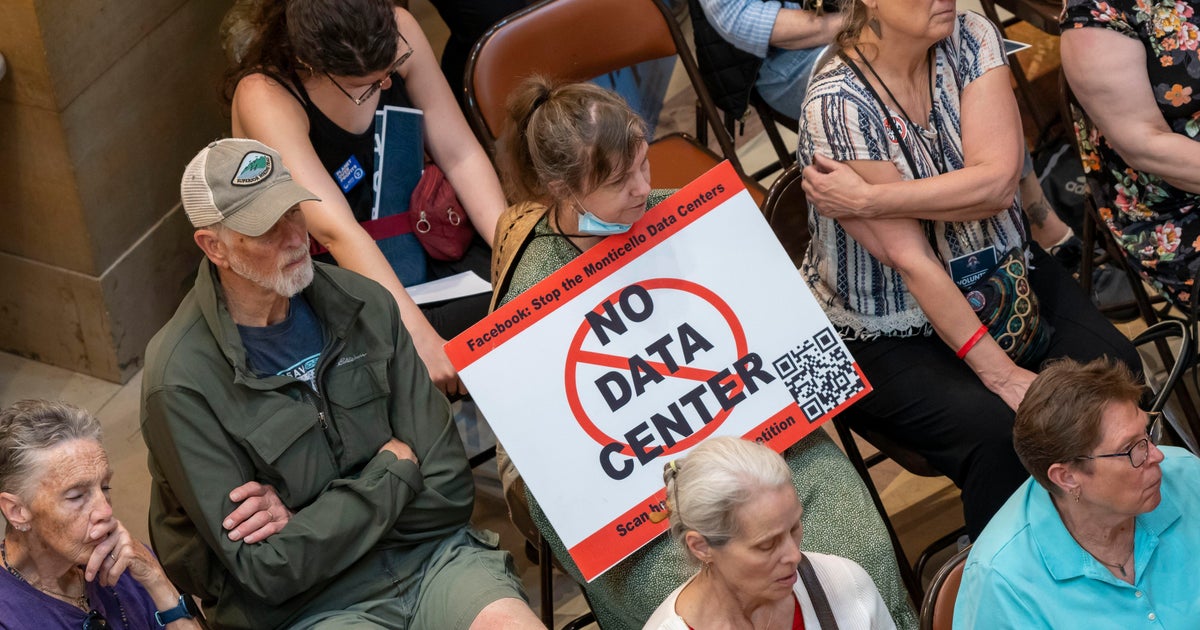
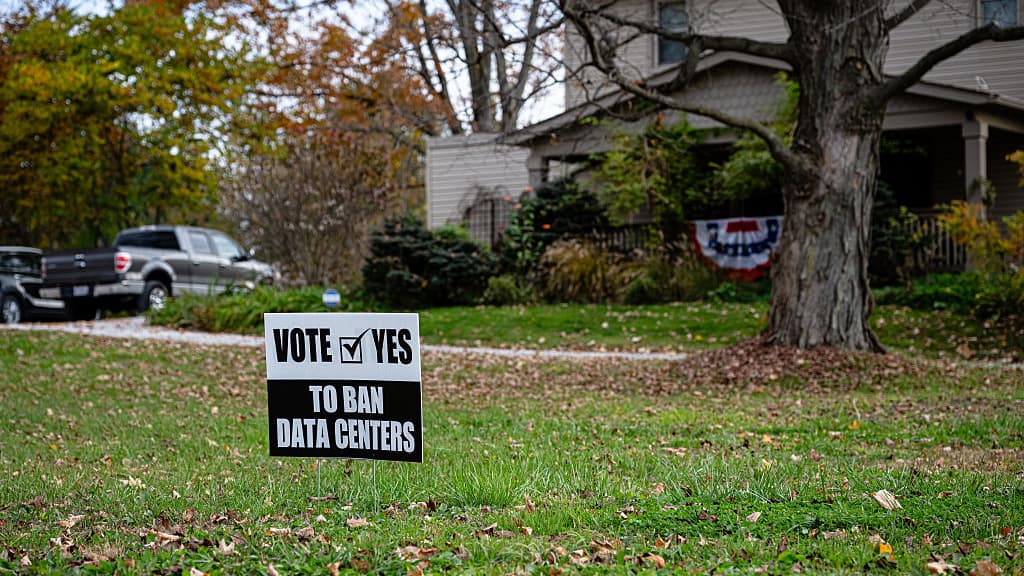
Across the country, there were 40 ballot measures about AI data center projects; voters chose to restrict 39 of them. asserted
voters → be → them
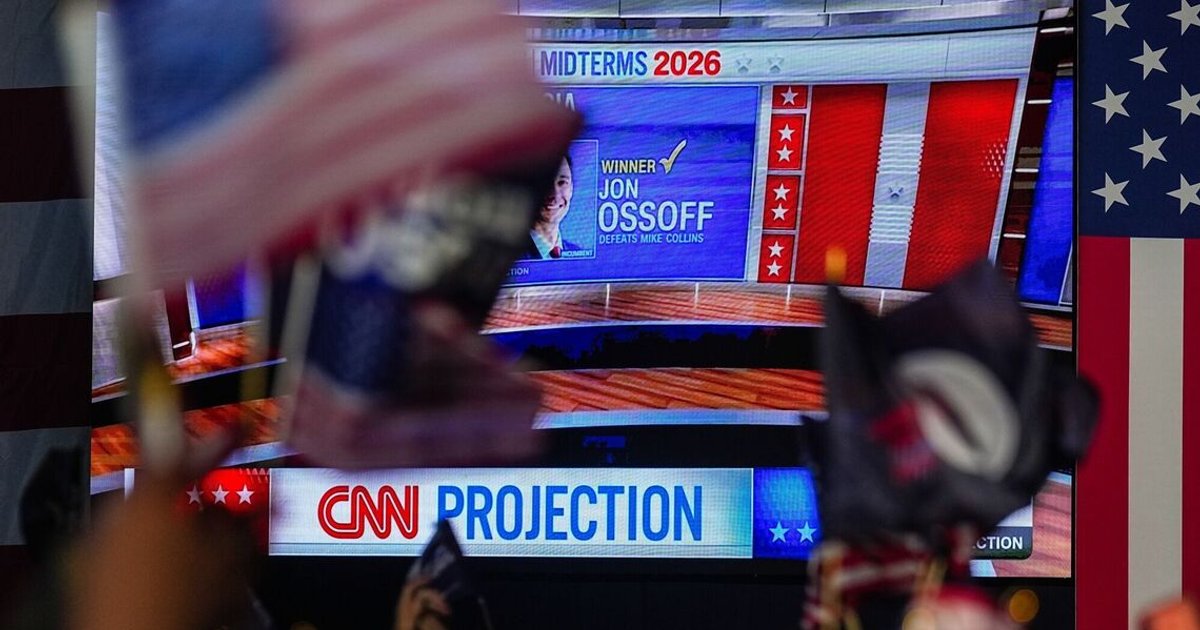
In Ohio—a state that has become extremely Red in recent cycles—Democrat Sherrod Brown cruised to a five-point win running on a campaign to rein in data centers. asserted
Brown → become → centers
Vivek Ramaswamy, a Peter Thiel acolyte and billionaire venture capitalist was absolutely trounced by Amy Acton, a public health official who supports data center moratoriums and vaccines and presented herself to the state’s voters as being a normal person and not a deranged Twitter troll. asserted
who → trounce → voters
In New York State, Governor Kathy Hochul won reelection after enacting the nation’s first statewide moratorium on new hyperscale data centers in July; her opponent Bruce Blakeman called the moratorium “crazy” and vowed to end it if he won. asserted
he → win → it
In Texas, Musk spent $212 million trying to elect the wildly unpopular Ken Paxton (who, as an aside, once threatened to subpoena 404 Media’s reporting); in exchange for lighting this money on fire, Texas has, in James Talarico, its first Democratic Senator in nearly 40 years. asserted
Texas → spend → years
Talarico began his campaign by saying “The people at the top — the Elon Musks, the Rupert Murdochs, the Mark Zuckerbergs of the world — they spend so much time and energy keeping us angry and divided because our unity is a threat to their wealth and their power.” asserted
unity → begin → wealth
Musk barely tweeted Tuesday; once it became clear his preferred candidates had lost and that people do not want AI data centers, he finally suggested “data centers in space looking pretty appealing right now,” presumably because it’s clear people don’t want them here on Earth. uncertain
people → tweet → Earth
Jason Calacanis, the intolerable venture capitalist and host of the unlistenable All In podcast tweeted a bunch of prediction market screenshots of the Talarico race and said he “never expected Texas to turn blue. asserted
Texas → tweet → race
Ugh, I moved here to get away from the left lunacy!” asserted
I → move → lunacy
"Silicon Valley billionaires want us to believe that Al robots will destroy humanity," Alexandria Ocasio-Cortez said recently. asserted
Cortez → want → humanity
Silicon Valley spent wildly on the election and Republicans have spent much of the last decade trying to press structural advantages to gerrymander districts, suppress the vote, and sow doubt on our elections. asserted
Republicans → spend → elections
The sheer anger voters feel was enough to overwhelm these efforts Tuesday, nearly without exception (the one main outlier: A billionaire wealth tax ballot measure in California looks likely to fail after billionaires spent $379 million lobbying to kill it, outspending the opposition 250-to-1, with many billionaires threatening to move their companies and themselves out of the state). asserted
billionaires → feel → state
Given this, it should not be taken for granted that elections can or will always go this way, and Democrats need to show that they are not scared of governing. asserted
they → give → governing
Up and down the ballot, in all states, voters were generally given the choice between largely normal people trying to fight for the working class and sycophantic cartoon supervillains, nepo picks, fumbling buffoons, and Twitter trolls seeking to enable the regime and Big Tech’s vision of the future, where AI CEOs become trillionaires and everyone else loses their job to a robot and breathes methane gas from the data centers in their backyards. asserted
everyone → give → backyards
It turns out that from Michigan to Mississippi (yes, Mississippi), people are done accepting “bad things happening” for the benefits of the richest people in the world. asserted
people → turn → world
There is a vision of the world focused on improving the wellbeing of average people and there is a vision of the world that focused on making a few dozen people in Silicon Valley and Washington, D.C. even richer and more powerful. asserted
people → be → Valley
Newly-elected Texas Democratic Gov (!?!?) Gina Hinojosa recently made this clear to the New York Times, which still doesn’t get it. asserted
which → elect → it
Hinosa crushed three-term incumbent governor Greg Abbott by running as an “economic populist,” a label the media has wrongly given to Trump and MAGA because they villainize immigrants and trans people but govern like oligarchs. asserted
they → crush → oligarchs
…and 3 more, not listed.
Give feedback · no sign-in needed

No sign-in needed for now. Your note is sent without a name, so it cannot be answered.

History Support