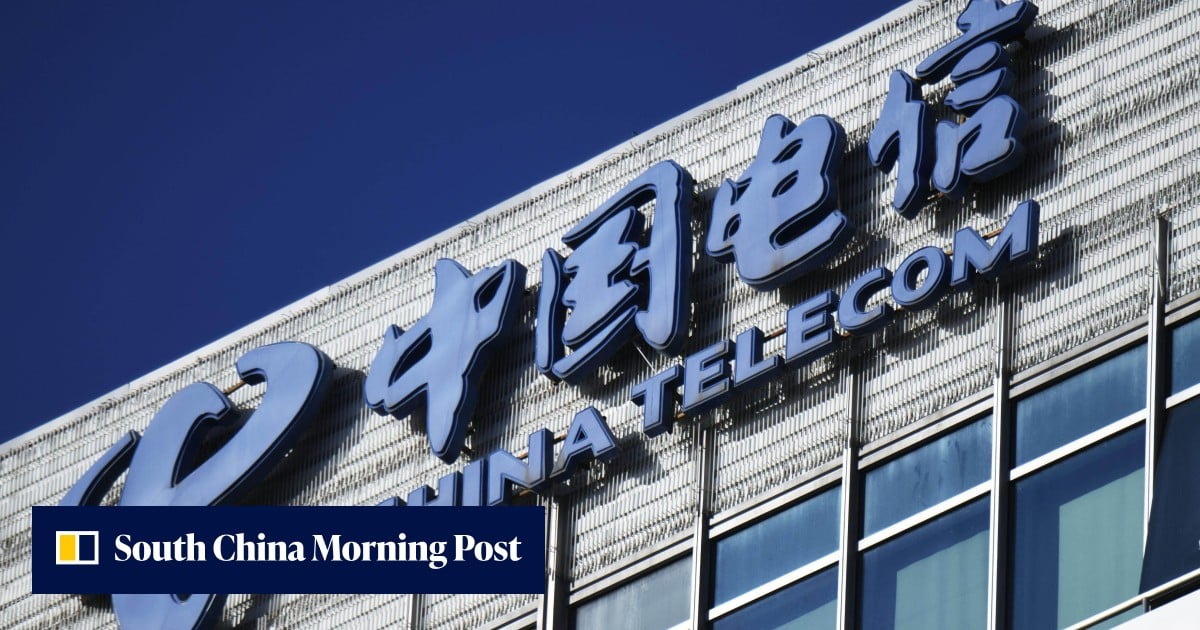
Photo via South China Morning Post

Chinese telecoms giants in Washington’s crosshairs as FCC weighs fresh curbs

Read the original at South China Morning Post ↗
Cite

Nurmamat, M. (2026, October 30). Chinese telecoms giants in Washington’s crosshairs as FCC weighs fresh curbs. South China Morning Post. https://www.scmp.com/economy/global-economy/article/3372709/chinese-telecoms-giants-washingtons-crosshairs-fcc-weighs-fresh-curbs

Dated from the outlet's own feed. Check the original for its byline.

South China Morning Post · collected 2026-10-30 · by Mia Nurmamat

Quick Summary

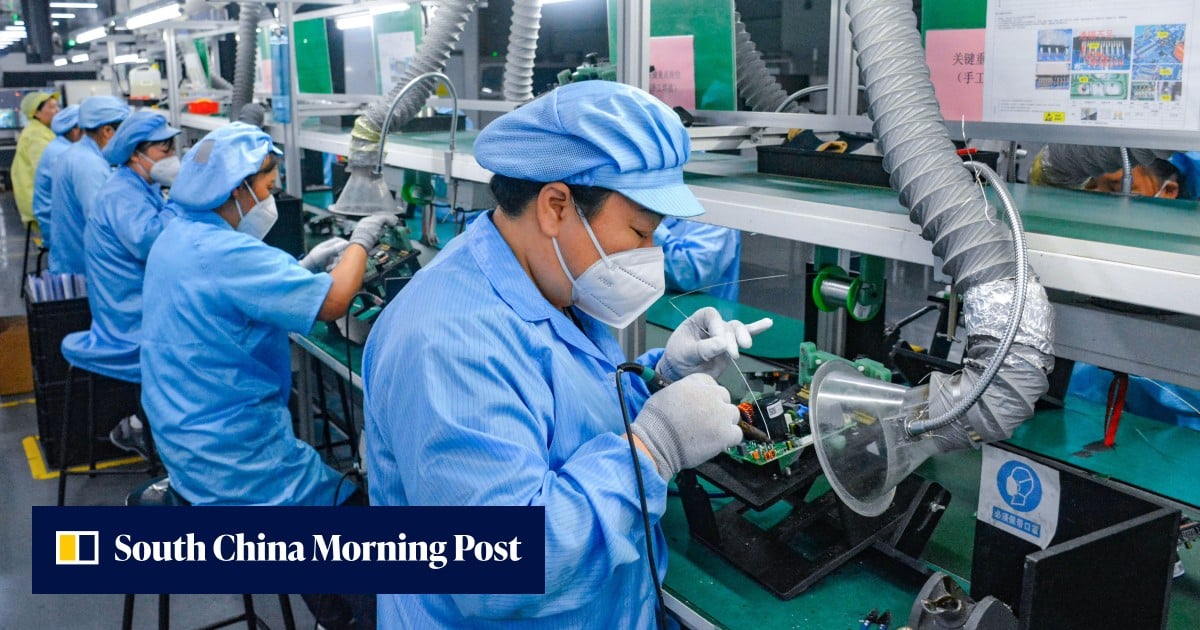
The US Federal Communications Commission (FCC) is considering a ban that would prevent Chinese telecommunications companies like China Mobile, China Telecom, and China Unicom from obtaining American telephone numbers through internet-based voice services due to national security concerns. Additionally, the FCC has already barred Chinese laboratories from testing electronic devices intended for the US market. The proposed rules aim to protect against illegal robocalls and other malicious activities while addressing risks posed by foreign-controlled communications networks; a vote on these measures is scheduled for November 19.
Written by AI on 2026-11-01, from this article's own text only (the story summary below draws on all the coverage).
See how they differ ↓

AI analysis

Story summary

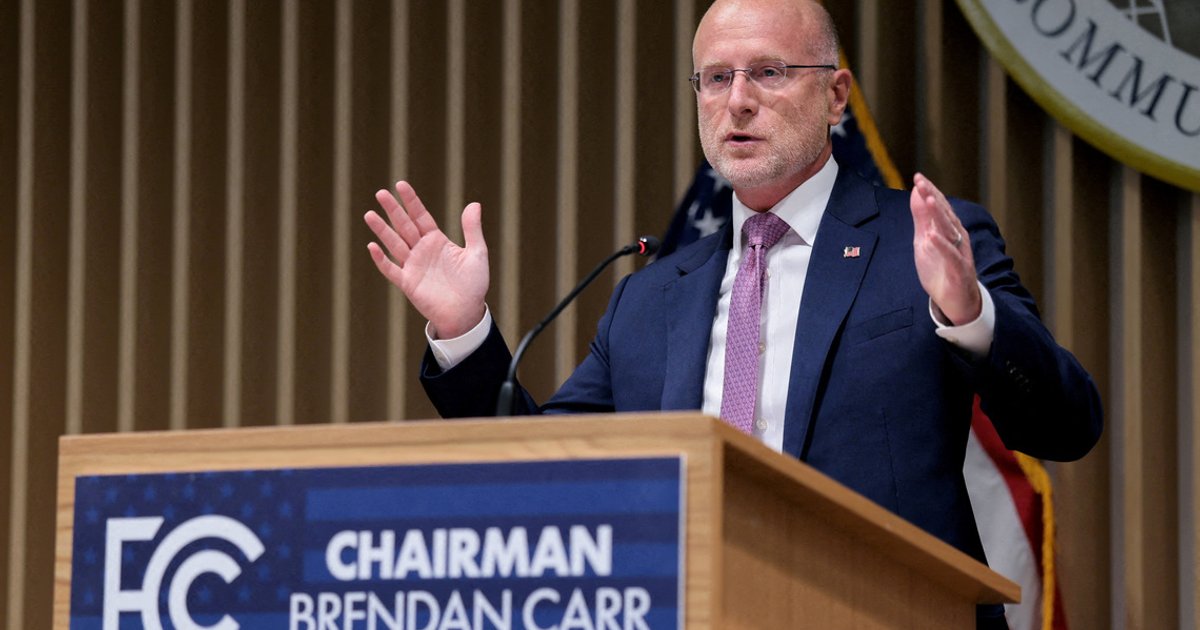
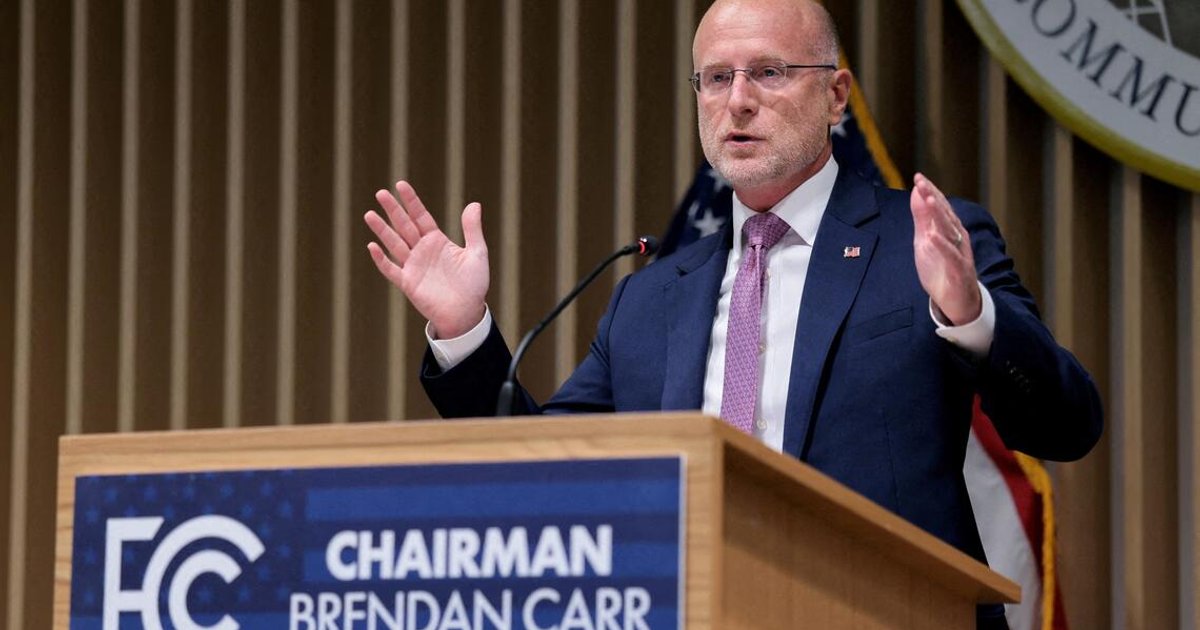
As of October 29, 2026, the US Federal Communications Commission (FCC) announced plans to vote on November 19 to ban China Mobile, China Telecom, and China Unicom from direct access to US phone numbers due to national security concerns. This move aims to prevent scam-related robocalls and protect against malicious activities. The FCC also intends to prohibit Chinese labs from testing electronic devices for the US market, further restricting Chinese telecom firms' operations in America. FCC Chair Brendan Carr stated that this decision would strengthen defenses against "bad actors" and illegal robocallers. The Chinese Embassy did not immediately comment on these proposed restrictions.

Written for “US Plans To Ban Chinese Telecom Firms” on 2026-11-21, grounded in this article and the 1 other(s) covering the same event.

How they differ

2 outlets covered “US Plans To Ban Chinese Telecom Firms”.

What each outlet says

One AI summary per outlet of its latest article on this story, written from that article alone and checked against it. Open the article for the outlet's own words.

South China Morning PostThis outlet30 Oct

The US Federal Communications Commission (FCC) is considering a ban that would prevent Chinese telecommunications companies like China Mobile, China Telecom, and China Unicom from obtaining American telephone numbers through internet-based voice services due to national security concerns. Additionally, the FCC has already barred Chinese laboratories from testing electronic devices intended for the US market. The…

Chinese telecoms giants in Washington’s crosshairs as FCC weighs fresh curbs (this article)

The Straits Times30 Oct

The United States Federal Communications Commission plans to ban Chinese telecom firms such as China Mobile, China Telecom, and China Unicom from direct access to U.S. phone numbers due to national security concerns. The FCC will vote on this proposal on November 19, aiming to prevent scam-related robocalls and protect against potential spying activities. This move follows previous bans by the FCC targeting these…

US plans to ban Chinese telecom firms from direct access to US phone numbers →

Compared with similar articles

This article reads leans right and hedges 20% of its claims. Each row says how that neighbour differs.
The Straits Times
Leans right Hedges 1 of 14 claims Outlet record 64/100
South China Morning Post
Hedges 0 of 1 claims Outlet record 62/100
“The articles describe related actions by US FCC and reactions from China, but they are not reporting on the same specific incident.”
The Straits Times
Leans right Hedges 1 of 18 claims Outlet record 64/100
“Article A discusses FCC's proposal to ban Chinese telecommunications companies from obtaining American telephone numbers, while Article B reports on HKT agreeing to halt US operations under pressure from FCC, which seems like a separate decision and action.”
South China Morning Post
Centre further left than this Hedges 1 of 3 claims Outlet record 62/100
“While both articles discuss regulatory actions against Chinese and Hong Kong telecommunications companies, they describe different phases of events: one about proposed curbs by the FCC, the other about HKT's response to an existing order.”
The Straits Times
Hedges 1 of 15 claims Outlet record 64/100
“Article A reports on the FCC voting to ban Chinese labs from testing US electronics, while Article B focuses on proposed rules against Chinese telecom companies obtaining American telephone numbers.”
South China Morning Post
Hedges 0 of 3 claims Outlet record 62/100
“While both articles discuss FCC actions against Chinese labs testing US-bound electronics, Article B focuses more broadly on additional proposed curbs against Chinese telecom companies, suggesting a different but related event or policy direction.”

Story

US Plans To Ban Chinese Telecom Firms
Politics · 2 article(s) covering the same event. See how they differ ↑
How this article was measured signals, leaning charts, publisher record, byline, topics and claims

Signals How these are calculated →

Claims extracted
5
sentences that state something as happening or true
Uncertain
20%
1 of 5 hedged ("reportedly", "may", "according to")
Leaning
Leans right
of the writing, not the subject · beta estimate
Publisher signals
62/100
South China Morning Post's corrections and hedging, across everything collected from it. Not a measure of accuracy.
Outlets on this story
2
Politics
Same framing elsewhere
1
articles that frame the event the way this one does
Analyzed 2026-11-01 · how these are computed

How this is being covered How these are calculated →

Article leaning vs. publisher reliability
Source leaning vs. consistency

Publisher

South China Morning Post · 4214 article(s) · 8 correction(s) detected
Running correction rate · 8 correction(s)

Who wrote this

Mia Nurmamat
12 article(s) here · 1 carrying a prediction
Google in, but Nvidia out as US lines up Apec CEO Summit delegation: source Boeing and Google already have spots at the Apec CEO Summit confirmed, but Nvidia likely to be absent, source says Representatives from Google and Boeing will be included in the United States’ business delegation at next week’s Apec CEO Summit in Shenzhen, the event organiser has confirmed.
Forecasters warn that proposed project freezes in Texas and federal regulatory pushback could stall up to 30 per cent of planned US facilities The sweeping midterm election victory by US Democrats has triggered warnings from analysts that an impending regulatory clampdown could derail the nation’s multi-trillion-dollar artificial intelligence data centre buildout.
Billionaire may face congressional scrutiny over SpaceX’s government contracts and Tesla’s China links, analysts say Elon Musk bet nearly half a billion dollars that political spending could keep Washington friendly to his sprawling business empire.
The proposed rules could prevent China Mobile, China Telecom and China Unicom and other service providers from obtaining numbers through internet-based voice services, the commission said on Thursday.
EU’s idea that China is caving to pressure is ‘serious misjudgment’: ex-diplomat Brussels has been emboldened by recent hybrid car deal, but China will not back down in the face of trade pressure, former diplomat warns The European Union’s perception that China is yielding to its pressure tactics on trade is a “serious misjudgment”, as Beijing proved during last year’s tariff war with the United States that it will not back down from a confrontation, a former Chinese diplomat has warned.
Kazakhstan is at the centre of US efforts to build a new supply chain for the metal, but analysts say China’s lead will be difficult to overcome The race to loosen China’s grip on tungsten is moving to Kazakhstan, where United States-backed mining projects are attempting to compete in an industry where Chinese investment already has an operating foothold. The supply squeeze has reached US oilfield equipment makers, which are redesigning one of their most important tools as the global shortage raises the cost of making drill bits.
Hangzhou’s initial policy took effect two years ago and was originally set to remain in force through the end of next year.
It will soon be possible to fly direct from Hong Kong to Almaty, but in the meantime a little flexibility is required
Also by Mia Nurmamat
Nothing else under this byline is closely related to this article, so these are simply their most recent.
All 12 articles by Mia Nurmamat →

Topics

American Chinese FCC The US Federal Communications Commission Washington

Subjects

Chinese NORP · 3× FCC ORG · 2× American NORP · 1× China Mobile ORG · 1× China Telecom ORG · 1× China Unicom ORG · 1× The US Federal Communications Commission ORG · 1× Washington GPE · 1×

Narrative

The regulator has also barred Chinese laboratories from testing electronic devices intended for the US market The US Federal Communications Commission (FCC) is proposing a ban on Chinese telecommunications companies obtaining American telephone numbers, citing national security concerns and the need to protect domestic networks.
framing: assertive · carried by 1 article(s) · first seen 2026-11-01
The proposed rules could prevent China Mobile, China Telecom and China Unicom and other service providers from obtaining numbers through internet-based voice services, the commission said on Thursday.
2026-11-01 · South China Morning Post
Chinese telecoms giants in Washington’s crosshairs as FCC weighs fresh curbs · assertive framing

Claims (5 extracted, 1 hedged)

Chinese telecoms giants in Washington’s crosshairs as FCC weighs fresh curbs asserted
FCC → weigh → curbs
The regulator has also barred Chinese laboratories from testing electronic devices intended for the US market The US Federal Communications Commission (FCC) is proposing a ban on Chinese telecommunications companies obtaining American telephone numbers, citing national security concerns and the need to protect domestic networks. asserted
companies → bar → networks
The proposed rules could prevent China Mobile, China Telecom and China Unicom and other service providers from obtaining numbers through internet-based voice services, the commission said on Thursday. uncertain
commission → propose → Thursday
The regulator is scheduled to vote on the proposal at its November 19 meeting. asserted
regulator → schedule → meeting
The measures, it said, were intended to protect against illegal robocalls and other malicious activity while addressing national security risks linked with foreign-controlled communications networks. asserted
it → say → networks
Give feedback · no sign-in needed

No sign-in needed for now. Your note is sent without a name, so it cannot be answered.

History Support