That is 0 articles you have read today.
The Aporia is free and carries no advertising, so readers are the only
thing paying for it. If you are getting this much out of it, a small
donation is what keeps it independent.
You have read 0 articles today.
That is more than the 15 a day The Aporia gives away,
and well past what it can carry on nothing. Your allowance resets at
midnight.
There is no advertising here and nothing about you is sold, so readers
are the only thing paying for it. If the site is worth this much of
your day, it is worth a few dollars.
Everything else stays open: the front page, the
directory and search do
not count against this, and neither does re-opening something you have
already read today.
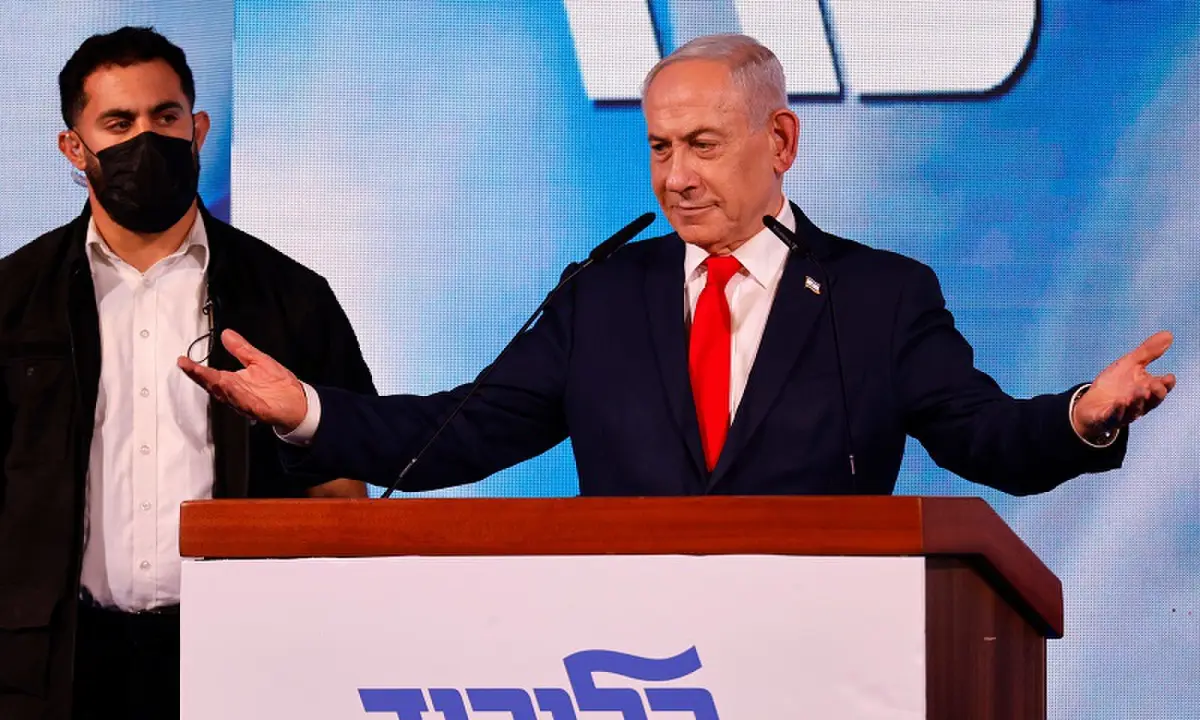
Photo via Al Jazeera
Activists urge Eisenkot to form new Israeli gov’t with Arab parties
Activists urge Eisenkot to form new Israeli gov’t with Arab parties. (2026, October 30). Al Jazeera. https://www.aljazeera.com/video/newsfeed/2026/10/30/activists-urge-eisenkot-to-form-new-israeli-govt-with-arab-parties?traffic_source=rss
“Activists urge Eisenkot to form new Israeli gov’t with Arab parties.” Al Jazeera, 30 Oct. 2026, https://www.aljazeera.com/video/newsfeed/2026/10/30/activists-urge-eisenkot-to-form-new-israeli-govt-with-arab-parties?traffic_source=rss.
“Activists urge Eisenkot to form new Israeli gov’t with Arab parties.” Al Jazeera, October 30, 2026. https://www.aljazeera.com/video/newsfeed/2026/10/30/activists-urge-eisenkot-to-form-new-israeli-govt-with-arab-parties?traffic_source=rss.
Dated from the outlet's own feed. Check the original for its byline.
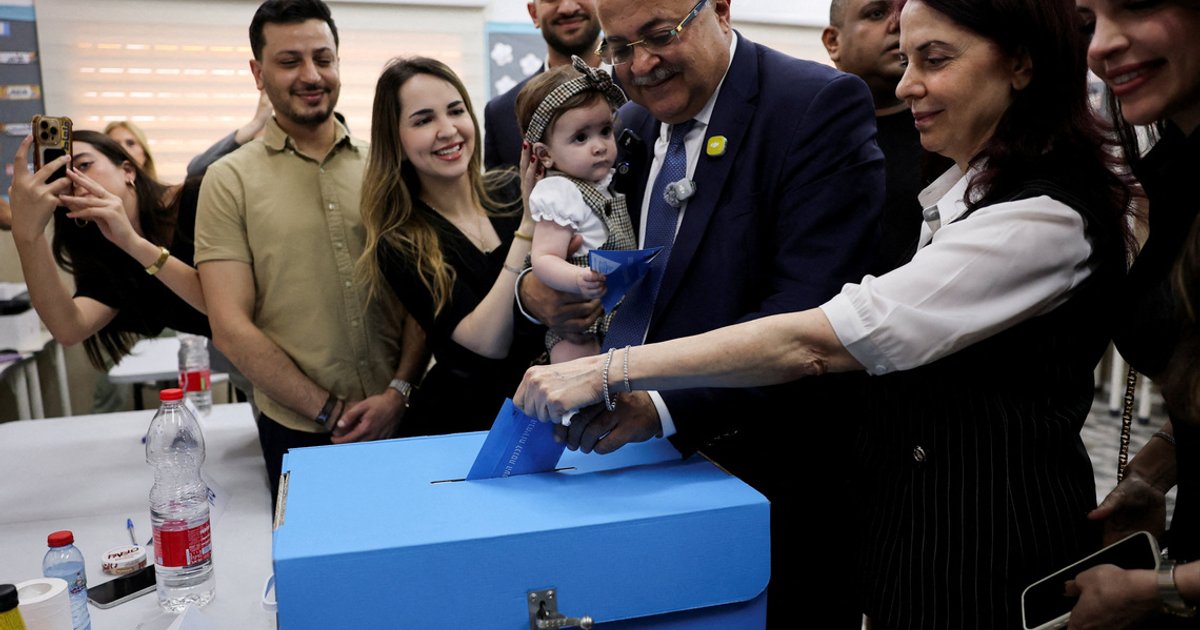
On October 30, 2026, activists are calling on former military chief Gabi Eisenkot to lead the formation of a new Israeli government that includes Arab political parties. The initiative aims to create a more inclusive and representative government in Israel.
Written by AI on 2026-10-30,
from this article's own text only (the story summary below draws on all the coverage).
On November 1, 2026, thousands of Israelis protested in Tel Aviv, urging the main opposition leader Gadi Eisenkot to form a coalition government that includes Arab parties to remove Prime Minister Benjamin Netanyahu from power. The protest followed inconclusive parliamentary elections where neither side achieved a majority; Netanyahu's bloc won 53 seats while Eisenkot’s won 48, and the three Arab-led parties secured 19 seats. Protesters called for real political change, with some describing Netanyahu as a “great manipulator.” Counter-protesters also turned out, opposing any coalition that includes Arab parties, viewing them as aligned with Hamas.
Written for “Protesters Urge Jewish-Arab Coalition Government” on 2026-11-21,
grounded in this article and the 3 other(s) covering the same event.
One AI summary per outlet of its latest article on this story, written from that article alone and checked against it. Open the article for the outlet's own words.
Al JazeeraThis outlet30 Oct
On October 30, 2026, activists are calling on former military chief Gabi Eisenkot to lead the formation of a new Israeli government that includes Arab political parties. The initiative aims to create a more inclusive and representative government in Israel.
Activists urge Eisenkot to form new Israeli gov’t with Arab parties (this article)3 articles from Al Jazeera on this storyThe Hindu1 Nov
On October 31, 2026, hundreds of Israelis protested in Tel Aviv and Jerusalem to urge opposition leaders to form an alliance with Arab-majority parties to oust Prime Minister Benjamin Netanyahu. The previous day’s election saw Arab-majority parties win a combined total of 19 seats out of the 120-seat parliament, which could be pivotal for forming a coalition against Netanyahu if joined by Jewish opposition parties…
Leans left
Hedges 4 of 24 claimsOutlet record 64/100
“While both articles discuss political developments involving Palestinian and Arab parties in Israel, they describe different stages or aspects of a broader situation rather than the same specific incident.”
“The articles describe different aspects of the political situation following an election; Article A reports on Netanyahu and Eisenkot's claims to form a government, while Article B focuses on activists urging Eisenkot to include Arab parties.”
“Article A discusses the rise of Arab-led parties in the recent election, while Article B focuses on activists urging Eisenkot to form a new government including Arab parties. These describe different events occurring at distinct times.”
Leans right
Hedges 3 of 60 claimsOutlet record 60/100
“Article A covers the results of Israel's election on October 25, while Article B discusses activists urging Eisenkot to form a government with Arab parties after the election results are known.”
Leans strongly left
Hedges 3 of 33 claimsOutlet record 60/100
“Article A discusses the results and implications of Israel's parliamentary elections, while Article B reports on activists urging Eisenkot to form a government with Arab parties, which is a subsequent call for action rather than the same specific event.”
“Article A discusses election results, while Article B reports on activists urging a government formation involving Arab parties, which is a different but related development.”
Leans strongly left
Hedges 1 of 30 claimsOutlet record 78/100
“The articles discuss different aspects of political activism and voter turnout related to Arab citizens in Israel but do not describe the same specific incident.”

 The Aporia