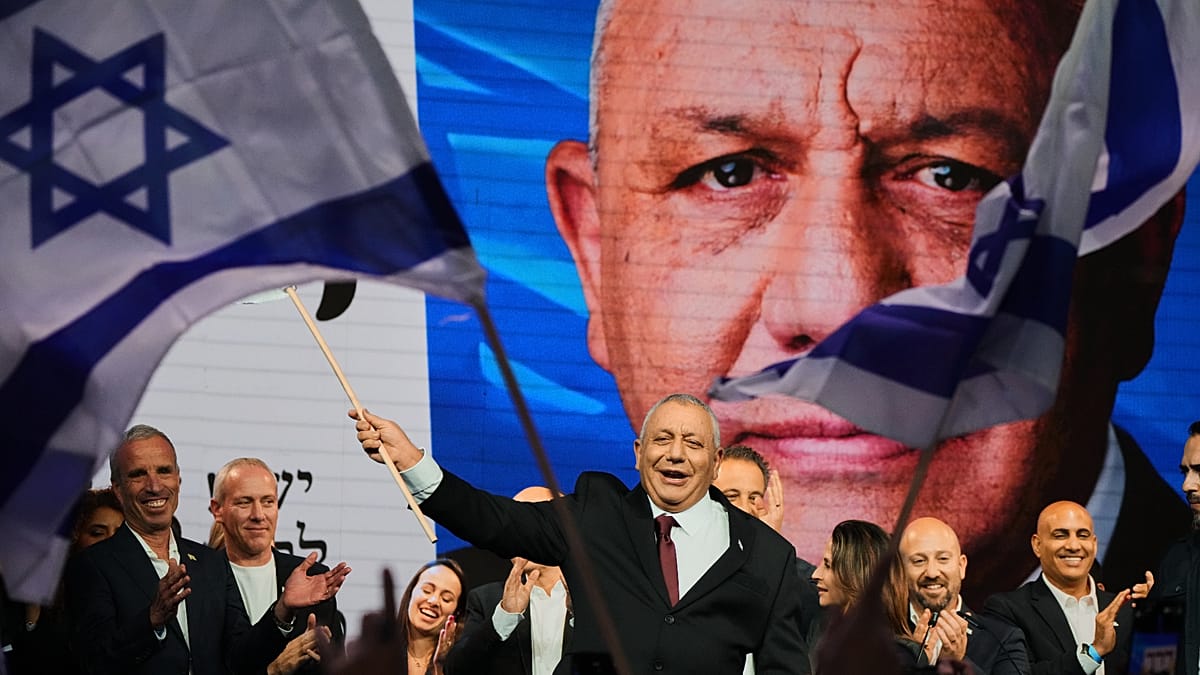
Photo via New York Post

Netanyahu alleges fraud as Arab parties reach record gains in Israeli election

Read the original at New York Post ↗
Cite

Fox News. (2026, October 29). Netanyahu alleges fraud as Arab parties reach record gains in Israeli election. New York Post. https://nypost.com/2026/10/29/world-news/netanyahu-alleges-fraud-as-arab-parties-reach-record-gains-in-israeli-election/

Dated from the outlet's own feed. Check the original for its byline.

New York Post · collected 2026-10-29 · by Fox News

Quick Summary

Prime Minister Benjamin Netanyahu has alleged widespread fraud during Israel’s recent election, claiming that Arab parties used bribery and violence to gain an unfair advantage. With neither his Likud-led right-wing bloc nor opposition leader Gadi Eisenkot’s centrist bloc securing a parliamentary majority of 61 seats, Netanyahu accused Arab parties of supporting terrorism and threatening the Jewish state's existence. He provided specific allegations including cash bribes, voter intimidation, and the use of unauthorized software to influence voting outcomes in Arab areas. In response, Acting Central Elections Committee Director-General Dean Livne stated that there was no evidence of systematic violations of election integrity, noting that the classified information Netanyahu cited had not yet been verified.
Written by AI on 2026-10-31, from this article's own text only (the story summary below draws on all the coverage).
See how they differ ↓

AI analysis

Story summary

Israelis voted on October 27, 2026, in a closely contested election to elect the Knesset. The election was marked by a strong anti-Netanyahu sentiment, with thousands rallying in Tel Aviv against Prime Minister Benjamin Netanyahu. Gadi Eisenkot, a centrist challenger, emerged as Netanyahu's main rival, leading a coalition that could potentially form a government with the support of Arab-Israeli parties. Despite Netanyahu's Likud bloc winning the most seats, they fell short of a majority, securing only 53 out of 120 seats. This political deadlock leaves Netanyahu's future uncertain, as forming a stable government remains a challenge.

Written for “Israeli Election Deadlock” on 2026-11-21, grounded in this article and the 257 other(s) covering the same event.

How they differ

32 outlets covered “Israeli Election Deadlock”.

What each outlet says

One AI summary per outlet of its latest article on this story, written from that article alone and checked against it. Open the article for the outlet's own words.

New York PostThis outlet29 Oct

Prime Minister Benjamin Netanyahu has alleged widespread fraud during Israel’s recent election, claiming that Arab parties used bribery and violence to gain an unfair advantage. With neither his Likud-led right-wing bloc nor opposition leader Gadi Eisenkot’s centrist bloc securing a parliamentary majority of 61 seats, Netanyahu accused Arab parties of supporting terrorism and threatening the Jewish state's…

Netanyahu alleges fraud as Arab parties reach record gains in Israeli election (this article)10 articles from New York Post on this story
Al Jazeera3 Nov

Israeli Prime Minister Benjamin Netanyahu's Likud-led bloc emerged as the winner in the recent general election, securing the most seats. However, forming a governing coalition remains challenging due to the need for broad support across various political factions, including former rivals and far-right parties, each of which demands concessions from Netanyahu.

Netanyahu’s eight-seat problem →35 articles from Al Jazeera on this story
The Hindu2 Nov

The Israeli Knesset elections concluded with an inconclusive outcome that reflects the country's deepening division along nationalist lines and ethnic splits. With only 11 out of 38 parties likely to secure seats in a 120-member legislature, the centrist bloc, the ruling extreme right coalition, and the Israeli-Arab bloc received approximately 48%, 53%, and 19% of the seats respectively. Voter turnout surged to…

An anti-climactic outcome in the Knesset elections →20 articles from The Hindu on this story
The Straits Times30 Oct

The final vote count from Israel’s election on October 30 confirmed that neither Prime Minister Benjamin Netanyahu's hard-right coalition nor the opposition bloc led by Gadi Eisenkot secured an outright majority, with Netanyahu’s alliance winning 53 seats and the opposition securing 48. Two Arab parties gained a record-high 19 seats, adding to the political uncertainty. President Isaac Herzog will decide who has the…

Final vote results in Israel set up weeks of uncertainty about who will govern →18 articles from The Straits Times on this story
The Independent29 Oct

US President Donald Trump said he would "take a look" at helping Israeli Prime Minister Benjamin Netanyahu after Netanyahu claimed that the recent Israeli election was stolen due to alleged voter fraud by Arab citizens. With about 94% of votes counted, Netanyahu’s right-wing bloc had won 53 seats in Israel's parliament but fell short of a clear majority needed to form a government without support from Arab parties…

Trump says he will look at helping Netanyahu after Israeli prime minister claims election ‘stolen’ →15 articles from The Independent on this story
BBC29 Oct

Israeli opposition leaders Gadi Eisenkot and Arab party representatives have criticized Prime Minister Benjamin Netanyahu for accusing foreign entities of interfering in recent elections that his coalition lost its majority. Netanyahu's Likud Party alleged that Israel’s Arab-led parties received illegal funding from Qatar and Turkey, a claim denied by Qatar's foreign ministry as "ridiculous." Final election results…

Israeli opposition accuses Netanyahu of trying to 'delegitimise' election →12 articles from BBC on this story
Show 26 more outlets
Washington Examiner6 Nov

Benjamin Netanyahu's political resilience was on full display in recent Israeli elections despite facing significant challenges. After a devastating terrorist attack on October 7, 2023, which his government failed to prevent and which initially suggested his downfall, Netanyahu surprisingly maintained strong support. Polls had previously indicated that the opposition would defeat him and his Likud party, but the…

The Israeli elections prove Netanyahu’s political prowess →11 articles from Washington Examiner on this story
CBS News30 Oct

Prime Minister Benjamin Netanyahu and his Likud party have accused Arab-majority parties of stealing Israel's recent election through foreign funding, which they claim amounted to vote-buying. The final results show that Netanyahu’s bloc lost its majority in parliament, dropping from 68 seats to 53, while the main opposition won 48 seats. This leaves a potential coalition short on votes and reliant on support from…

Netanyahu's party claims Israel's election was stolen. Now what? →10 articles from CBS News on this story
Dawn30 Oct

Benjamin Netanyahu’s coalition in Israel finished with 53 seats, just short of a majority needed to form a government, following the country's recent general election. The opposition bloc secured 48 seats, while Arab party groupings Raam and the Joint List won a combined 19 seats, positioning them as crucial for forming any potential coalition. Controversy over alleged foreign funding by Qatar to influence votes…

Netanyahu's bloc finishes ahead in Israel election, but well short of majority →10 articles from Dawn on this story
ABC News (AU)31 Oct

In Israel's recent election, Arab parties secured a record 19 seats in the 120-seat Knesset, up from their previous total of 10 seats. This surge was driven by high voter turnout among Arab Israelis and Bedouin communities, who aimed to challenge Benjamin Netanyahu’s government and demand equal citizenship rights. With neither major coalition achieving a majority, these parties now hold significant power in…

Israel's Arab parties emerge from deadlocked election as kingmakers →8 articles from ABC News (AU) on this story
Euronews30 Oct

Israeli legislative election results show Prime Minister Benjamin Netanyahu’s bloc with 53 seats and the opposition led by Gadi Eisenkot securing 48 seats in the 120-seat Knesset. Likud remains the largest single party with 27 seats, while Arab parties collectively gained a record 19 seats. Netanyahu has accused Arab parties of election fraud and alleged foreign funding influence from Qatar, calling for an…

Netanyahu bloc emerges ahead in Israeli election but fails to secure majority →8 articles from Euronews on this story
National Post30 Oct

Jesse Kline discusses how Israel's recent high-stakes election has resulted in an unclear winner, with Prime Minister Benjamin Netanyahu’s Likud party leading but falling short of forming a majority government on its own. With neither side close to the required 61 seats and Arab parties holding key votes, this outcome is deemed unfavorable as it may prolong political instability at a critical time for Israel's…

Jesse Kline: Election could not have turned out worse for Israel →8 articles from National Post on this story
Times of India30 Oct

Yair Lapid, Israel’s opposition leader, has claimed a moral victory despite his bloc falling short of an outright majority in recent elections. With 67 seats out of 120, Lapid argues that while not decisive, this outcome presents a significant challenge to Prime Minister Benjamin Netanyahu's ability to form a government. Despite the difficulty in coalition-building due to ideological divides within the…

'A win is a win': Israel opposition leader Lapid reacts to Netanyahu's poll setback →7 articles from Times of India on this story
Fox News30 Oct

Israel’s final election results show Benjamin Netanyahu's bloc has lost its parliamentary majority, securing only 53 seats in the 120-member Knesset compared to 48 for opposition leader Gadi Eisenkot. The election saw a record 77.9% voter turnout and placed Arab parties with 19 seats in a potentially decisive position. Netanyahu's Likud party holds 27 seats, but neither side has the required 61 seats for a majority…

Netanyahu's bloc falls short as longtime allies reportedly weigh move that could end his rule →6 articles from Fox News on this story
NPR30 Oct

Israel's recent election resulted in a political deadlock, with neither Prime Minister Benjamin Netanyahu nor his main challenger Gadi Eisenkot able to secure enough parliamentary support to form a government. The Knesset lacks a clear majority for either side, as Eisenkot’s bloc cannot achieve one without Arab party support, which he has ruled out due to their stances on issues like Hamas and the Gaza conflict…

Israel is in a political deadlock. What comes next? →6 articles from NPR on this story
Daily Mail30 Oct

Benjamin Netanyahu’s party, Likud, intensified claims that Arab-led parties had "stolen" the election in Israel, alleging foreign interference and warning of “Islamisation.” The election results show Netanyahu's bloc with 53 seats out of 120 in parliament, below the majority needed to form a government. The opposition has accused Netanyahu of attempting to delegitimise the election by demonizing Arab voters after…

Netanyahu's party ramps up claims Arab parties 'stole' the election and warns of 'Israel's Islamisation' after failing to win majority →6 articles from Daily Mail on this story
The Guardian29 Oct

Benjamin Netanyahu has faced accusations of employing smear tactics to retain power after losing his parliamentary majority in Tuesday’s elections. He alleged that foreign-backed Arab Israeli parties manipulated the vote and demanded investigations into supposed irregularities in Palestinian communities. This claim was criticized by opposition leader Gadi Eisenkot, who called it an attempt to delegitimize election…

Israeli leader Netanyahu accused of using ‘ugly’ smear tactics to cling to power →6 articles from The Guardian on this story
Toronto Star30 Oct

Palestinian citizens of Israel participated in record numbers during recent elections, marking a significant political shift as two Arab-led parties secured the largest number of seats ever—19 out of 120. This surge is seen as a response to years of marginalization and rising anti-Arab sentiment under Netanyahu’s right-wing government. Voter turnout increased by over 60% compared to previous elections, with many…

For Palestinian citizens of Israel, a historic vote born of fear and frustration →5 articles from Toronto Star on this story
CBC29 Oct

Israelis are waiting for final election results that could confirm Benjamin Netanyahu’s bloc holding a slight edge over opposition parties, with about 53 seats compared to 48 for the opposition and 19 for Arab-led groups. The counting of roughly half a million absentee ballots is expected to conclude on Thursday evening, potentially affecting coalition negotiations but unlikely to change the overall outcome…

Israelis await final election results as Netanyahu's bloc holds slight edge →5 articles from CBC on this story
Sydney Morning Herald30 Oct

After the Israeli election, Arab parties have gained significant strength with 19 seats, up from 10 in the previous election, due to a dramatic increase in voter turnout among Arab-Israelis to about 80%. This surge was driven by concerns over security issues under Itamar Ben-Gvir's leadership. The opposition bloc, led by Gadi Eisenkot and including these Arab parties with 67 seats total, surpasses Netanyahu’s…

They’re potential kingmakers, but may be excluded from Israel’s government. Here’s why →5 articles from Sydney Morning Herald on this story
South China Morning Post29 Oct

Benjamin Netanyahu’s party has accused Arab-led parties of stealing the Israeli election, suggesting foreign involvement, despite official results showing his bloc with 53 seats while the main opposition holds 48 and Arab-led parties have 19 seats. The opposition claims Netanyahu is trying to delegitimize the election by targeting Arab voters after their strong performance. A potential coalition between the…

Netanyahu’s party claims election ‘stolen’ as results show him losing majority →5 articles from South China Morning Post on this story
NBC News30 Oct

Israel's final election results show Benjamin Netanyahu’s right-wing bloc securing 53 seats and Gadi Eisenkot’s rival bloc winning 48 seats in Israel’s 120-member parliament, falling short of the 61 seats needed to form a government. President Isaac Herzog will next week decide which candidate has the best chance to lead government formation efforts. Notably, parties representing Arab Israelis won a combined 19…

Israel’s final election results show neither Netanyahu nor rival can immediately form government →5 articles from NBC News on this story
Semafor28 Oct

Benjamin Netanyahu's coalition currently leads in Israel's closely contested election but falls short of the majority needed to form a government. Arab parties achieved a record number of seats, potentially positioning them as key players in determining the next prime minister. Critics see this outcome as reflecting voter dissatisfaction with Netanyahu’s leadership, yet both main political blocs are hesitant to…

Netanyahu's coalition draws ahead in Israel's tight election race →5 articles from Semafor on this story
Reason30 Oct

The Israeli Central Elections Committee announced final results showing Benjamin Netanyahu's right-wing bloc securing 53 seats in the Knesset, just short of a majority needed to form a government without coalition negotiations. Despite these political uncertainties, the article asserts that regardless of who leads Israel next, American military aid and funding will continue to support Israel’s defense initiatives…

With or Without Netanyahu, Israel Will Want American Taxpayers To Keep Funding Its Wars →3 articles from Reason on this story
The Dispatch29 Oct

Voters in Israel participated in a nationwide election on Tuesday, with many casting ballots in Tel Aviv’s Hatikva Quarter. A campaign booth nearby played an anthem praising incumbent Prime Minister Benjamin Netanyahu, highlighting his leadership and popularity. The election also featured other prominent figures such as former IDF chief of staff Gadi Eisenkot, as evidenced by electronic billboards displayed around…

Who Will Lead Israel Now? →2 articles from The Dispatch on this story
The Free Press29 Oct

The article discusses the results of Israel's recent parliamentary election where Benjamin Netanyahu’s coalition secured 53 seats in the 120-seat Knesset, while the opposition led by Gadi Eisenkot received 48 seats and two Arab parties gained a combined total of 19. With no single bloc achieving the required 61 seats to form a majority government, Netanyahu may attempt to form a minority government or negotiate with…

Where Does Benjamin Netanyahu Go from Here? →2 articles from The Free Press on this story
The Bulwark30 Oct

Israel’s recent elections were expected to resolve key political issues but instead have left the country in a state of uncertainty and frustration. Despite a majority of voters seeking change, Prime Minister Benjamin Netanyahu's coalition, currently holding around 68 seats, is set to decline to about 53 seats. The opposition, led by former IDF Chief Gadi Eisenkot, has gained significant support but still falls…

Israel’s Democracy—And Its Relationship with America—Remain in Limbo →2 articles from The Bulwark on this story
Global News26 Oct

Prime Minister Benjamin Netanyahu faces a critical election as Israelis vote on Tuesday, nearly six months after Hamas attacked Israel on October 7, 2023. The attack resulted in over 1,200 Israeli deaths and 251 hostages, leading to significant military retaliation that has killed more than 74,000 Palestinians according to local health authorities. Netanyahu’s legacy hangs in the balance as his opponents see this…

Netanyahu’s legacy on the line as Israelis head to elections this week →
Deutsche Welle27 Oct

Israel is holding its first general election since the October 7, 2023 Hamas attack, which plunged the country into one of its most severe security crises. Incumbent Prime Minister Benjamin Netanyahu seeks re-election against Gadi Eisenkot, former IDF chief and leader of the Yashar party. US President Donald Trump has endorsed Netanyahu as a "warrior prime minister," cautioning that any other leadership choice could…

Will elections in Israel change its Iran approach? →
Time27 Oct

On Tuesday, Israeli voters participated in what is likely to be the highest turnout election since 1973, with 66.7% of eligible voters casting ballots by 6 p.m. local time. Prime Minister Benjamin Netanyahu, facing a critical test of his leadership, urged supporters to vote as polls showed a tight race between his pro-Netanyahu coalition and opposition movements led by figures like former IDF chief Gadi Eisenkot…

Record Israeli Election Turnout as Netanyahu Battles to Stay in Power →
Persuasion29 Oct

Israeli election results show a divided nation, with Benjamin Netanyahu's pro-Bibi camp securing 53 Knesset seats and the Jewish anti-Netanyahu bloc obtaining 48, falling short of a majority in parliament. Notably, Arab parties gained significant ground, capturing 19 seats. Voter turnout was high at 78%, reflecting heightened engagement from Arab-Israeli citizens who voted at an unprecedented rate of 80%. The…

Eizenkot’s Choice →
ABC News (US)29 Oct

The final vote count from Israel's parliamentary election shows Benjamin Netanyahu's bloc maintaining its lead with 53 seats, while the opposition bloc has secured 48 seats. No coalition has achieved the required 61-seat majority needed for governance. This situation could potentially require Netanyahu’s or Gadi Eisenkot’s bloc to seek support from Arab Israeli parties, though both leaders have previously rejected…

Israel election results: Netanyahu's bloc maintains lead but does not secure majority →

Compared with similar articles

This article reads unscored and hedges 10% of its claims. Each row says how that neighbour differs.
Fox News
Hedges 6 of 50 claims Outlet record 66/100
Times of India
Hedges 2 of 39 claims Outlet record 59/100
Al Jazeera
Hedges 1 of 3 claims Outlet record 60/100
Al Jazeera
Hedges 3 of 21 claims Outlet record 60/100
The Straits Times
Leans right Hedges 3 of 31 claims Outlet record 64/100
Al Jazeera
Leans right Hedges 0 of 2 claims Outlet record 60/100
The Hindu
Leans strongly right Hedges 6 of 30 claims Outlet record 78/100
Washington Examiner
Leans right Hedges 0 of 5 claims Outlet record 67/100
Euronews
Leans strongly right Hedges 5 of 25 claims Outlet record 60/100
South China Morning Post
Hedges 2 of 3 claims Outlet record 62/100

Story

Israeli Election Deadlock
Politics · 258 article(s) covering the same event. See how they differ ↑
How this article was measured signals, leaning charts, publisher record, byline, topics and claims

Signals How these are calculated →

Claims extracted
52
sentences that state something as happening or true
Uncertain
10%
5 of 52 hedged ("reportedly", "may", "according to")
Leaning
withheld
no quote in the article backed the model's score
Publisher signals
66/100
New York Post's corrections and hedging, across everything collected from it. Not a measure of accuracy.
Outlets on this story
258
Politics
Same framing elsewhere
1
articles that frame the event the way this one does
Analyzed 2026-10-31 · how these are computed

How this is being covered How these are calculated →

Article leaning vs. publisher reliability
Source leaning vs. consistency

Publisher

New York Post · 21764 article(s) · 42 correction(s) detected
Running correction rate · 42 correction(s)

Who wrote this

Fox News
527 article(s) here · 1 carrying a prediction
“I wish I could say that I had more support and help from the governor’s office in Kentucky, but I haven’t really and that’s one of the reasons why I’m very public with our reports
“There’s no greater trauma than having a loved one murdered in a brutal way and thinking it’s been adjudicated in the court, and there’s a certain outcome in finding out in a newspaper, basically, that that’s not happening.” Griffin also said it could be a political move by Newsom. “This should have been handled better,” she said.
Jayapal said in an interview with Talking Points Memo last week that Jeffries would have “a relatively short rope to show that kind of urgency” as speaker.
A second loss would put the Rockets’ knockout hopes in serious trouble.
“Acute kidney injury is a serious condition that can lead to chronic kidney disease, kidney failure and an increased risk of dying early,” lead author Rudolph Schutte, an associate professor of cardiovascular epidemiology at Anglia Ruskin University, said in a university news release. “While alcohol has traditionally been linked with kidney injury through its impact on the liver, our research suggests that spirits and beer may contribute directly to kidney damage through inflammatory pathways.
By Morgan Phillips , Fox News Published Nov. 20, 2026, 9:42 a.m. ET President Trump is set to face reporters Friday after wrapping up a historic visit to China that brought him together with Chinese President Xi Jinping and Russian President Vladimir Putin for unprecedented three-way talks. The leaders struck a warm diplomatic tone despite lingering questions over the war in Ukraine, nuclear arms negotiations and tensions in the Middle East — as well as stalled trade negotiations between the US and China.
‘Will Cain Country' explores culture, sports, and comedy.
Hernandez said she did not know how many attempts were unsuccessful but maintained that the locations ultimately used complied with the state’s execution procedures. She also suggested that Dennes may have exaggerated his discomfort, noting that he complained of pain before the drugs began flowing and in areas where no IV had been placed. Advertisement According to The AP, when asked whether Dennes was faking his pain, she replied, “I think, yeah, there were allegations. …
Advertisement In an online fundraiser, the twins’ mother said Jamari was “being portrayed in a way that could put his life in danger.”
Indianapolis will lean on Taylor to stay in the game.
Wire or desk byline, not an individual reporter.
Also by Fox News
Nothing else under this byline is closely related to this article, so these are simply their most recent.
All 527 articles by Fox News →

Topics

Arab Israel Likud the Central Elections Committee the Shin Bet

Subjects

Arab NORP · 14× Israel GPE · 8× Netanyahu PERSON · 3× Benjamin Netanyahu PERSON · 2× Likud ORG · 2× Scheindlin PERSON · 2× the Central Elections Committee ORG · 2× the Shin Bet ORG · 2× Amelie Botbol PERSON · 1× Israeli NORP · 1×

Narrative

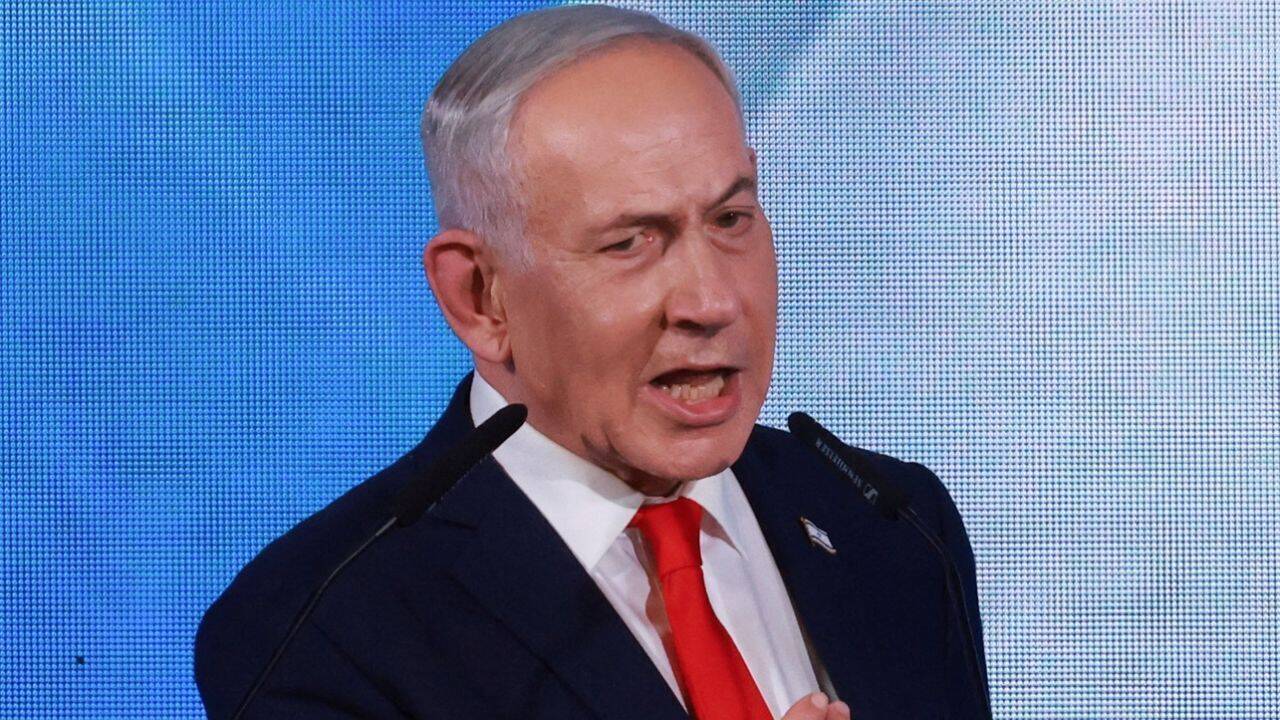
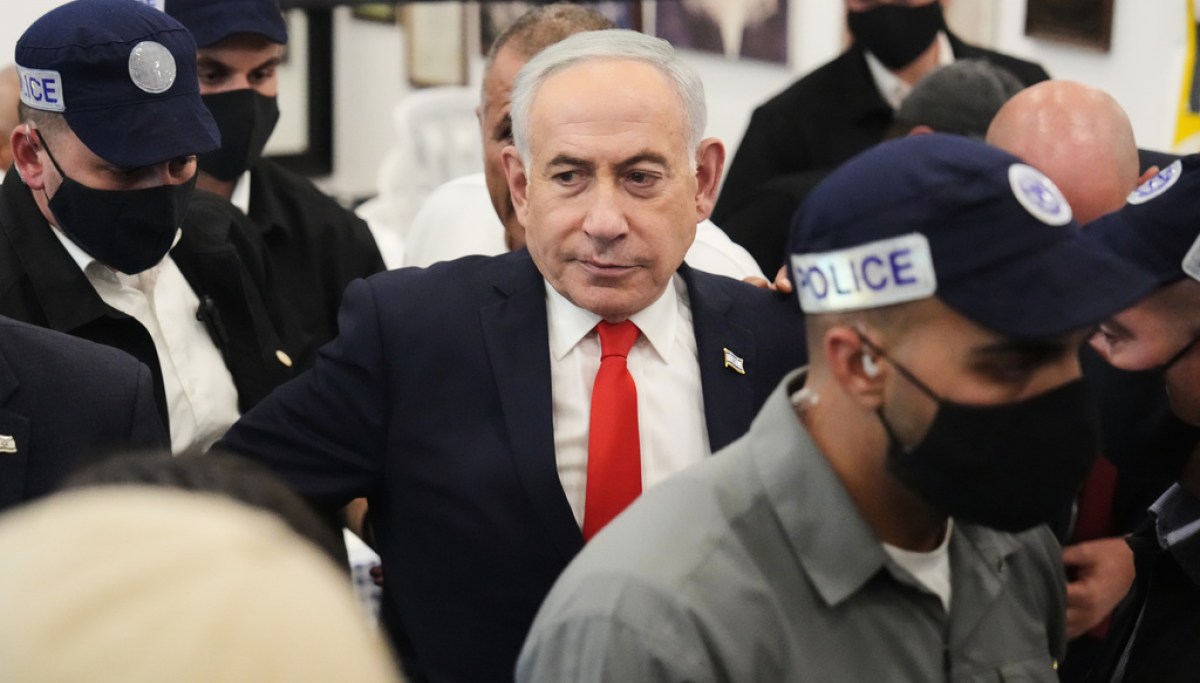
On Wednesday, Prime Minister Netanyahu wrote on X that Israel’s election had been “stolen by Arab parties that support terrorism and the elimination of the Jewish state,” alleging serious criminal offenses, including bribery, threats, violence, forgery and the use of prohibited software to mobilize voters. “The Likud party is transferring to the police, the Shin Bet, and the Central Elections Committee hundreds of testimonies and pieces of evidence regarding election theft in many Arab polling stations,” he wrote.
framing: assertive · carried by 1 article(s) · first seen 2026-10-31
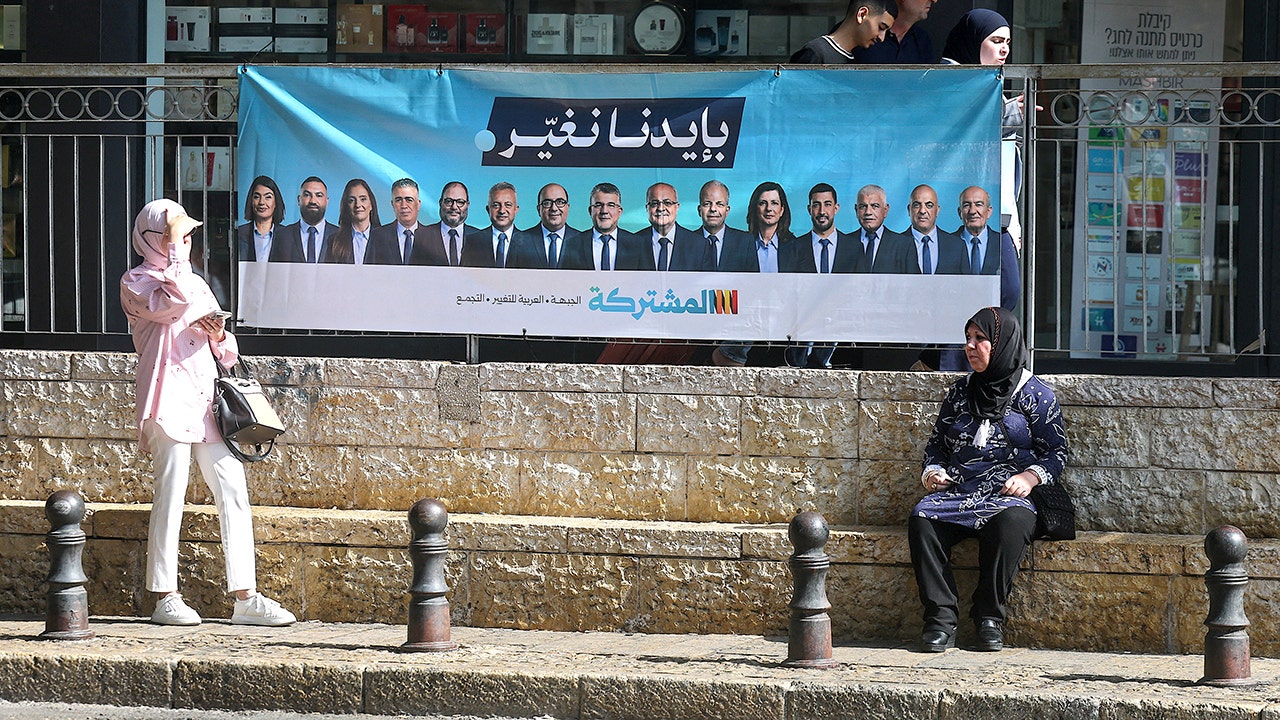
Israel’s two Arab parties are in a position to have a say in who the country’s next prime minister and government will be — but not if Prime Minister Benjamin Netanyahu has anything to do with it, after he alleged serious criminal activities took place during voting in the Arab areas of the nation.

Claims (52 extracted, 5 hedged)

Netanyahu alleges fraud as Arab parties reach record gains in Israeli election By asserted
parties → allege → election
Israel’s two Arab parties are in a position to have a say in who the country’s next prime minister and government will be — but not if Prime Minister Benjamin Netanyahu has anything to do with it, after he alleged serious criminal activities took place during voting in the Arab areas of the nation. asserted
activities → have → nation
Both Prime Minister Benjamin Netanyahu’s Likud-led right-wing bloc and the opposition leader Gadi Eisenkot’s centrist bloc fell short of the 61 seats needed for a parliamentary majority. asserted
leader → lead → majority
On Wednesday, Prime Minister Netanyahu wrote on X that Israel’s election had been “stolen by Arab parties that support terrorism and the elimination of the Jewish state,” alleging serious criminal offenses, including bribery, threats, violence, forgery and the use of prohibited software to mobilize voters. “The Likud party is transferring to the police, the Shin Bet, and the Central Elections Committee hundreds of testimonies and pieces of evidence regarding election theft in many Arab polling stations,” he wrote. asserted
he → write → stations
He cited allegations of thousands of envelopes containing cash and Ra’am ballot slips, threats and violence against polling station staff, multiple votes cast behind the voting curtain, voting under multiple identities, discrepancies between the number of ballot envelopes and the number of voters, the use of prohibited voter-mobilization software and other offenses. asserted
He → cite → software
“We demand from the police and the Shin Bet a thorough investigation into the election theft by the Arab parties and the full prosecution of the criminals. asserted
We → demand → criminals
We demand from the Central Elections Committee an immediate response to investigate these criminal offenses that have severely damaged the integrity of the elections in Israel and the election results,” he added. asserted
he → demand → Israel
In a letter addressed to Yesh Atid lawmaker Vladimir Beliak, Acting Central Elections Committee Director-General Dean Livne wrote that the elections “were conducted lawfully” and that, “to the best of my knowledge, there is no basis for allegations of systematic violations of election integrity,” the Times of Israel reported. asserted
Times → address → Israel
He also acknowledged that the request for an investigation concerned classified information whose veracity had not yet been determined. asserted
veracity → acknowledge → information
The political make-up of the Arab parties includes the Joint List, which brings together three parties: Hadash, a predominantly Arab-Jewish left-wing party rooted in Israel’s communist movement, and the Arab nationalist parties Ta’al and Balad. asserted
which → include → movement
With over 90% of ballots counted, the alliance was projected to win 12 seats. asserted
alliance → count → seats
The other Arab party, the United Arab List (Ra’am), led by Mansour Abbas and affiliated with the Southern Branch of the Islamic Movement in Israel, was projected to win seven seats. asserted
party → lead → seats
Here’s the latest on the 2026 Israel Legislative Elections — the first since the Oct. 7 attacks Arab citizens make up approximately 21% of Israel’s population. asserted
make → ’ → population
Turnout in this election reached a near record high between 75% to 80%. asserted
Turnout → reach → %
“They are a political force to be reckoned with,” Dahlia Scheindlin, a former policy fellow at the Mitvim Institute and a senior analyst at Haaretz, told Fox News Digital. asserted
Scheindlin → reckon → Digital
Scheindlin said that Netanyahu framed his campaign around the claim that the opposition is prepared to form a government dependent on Arab parties’ support, which he argues would lead to the establishment of a Palestinian state that would become a terror state and ultimately bring about Israel’s destruction. uncertain
that → say → destruction
“This is the most consistent message, and he never stopped saying it, including on election day,” she said. asserted
she → stop → day
Scheindlin said that the issue had become politically sensitive, prompting leading Zionist opposition parties to pledge not to cooperate with the Arab parties. asserted
issue → say → parties
“They have sworn they would not build a coalition that depends on Arab votes, either from within the coalition or from outside it. asserted
that → swear → it
If they receive any help, they will have to break that promise,” she added. asserted
she → receive → promise
It is not inconceivable, though highly unlikely, that Netanyahu could reach out to one of the Arab parties to explore the possibility of cooperation, Scheindlin said. uncertain
Scheindlin → reach → cooperation
Dr. Arik Rudnitzky, a researcher in the Israel Democracy Institute’s Arab Society in Israel Program, said that Arab parties had historically remained in the opposition and had not joined governing coalitions. asserted
parties → say → coalitions
During the governments of Yitzhak Rabin and, later, Shimon Peres in the 1990s, Arab parties provided a parliamentary safety net from outside the coalition. asserted
parties → provide → coalition
Start your day with all you need to know Morning Report delivers the latest news, videos, photos and more. asserted
Report → start → news
This enabled the government to remain in office and complete its term even after it effectively became a minority government amid opposition to the Oslo Accords, as the Haredi Shas party left the government. “Historically, Arab parties were always in the opposition for many reasons. asserted
parties → enable → reasons
It was quite uncommon to believe Arab parties could [support] the government. uncertain
parties → believe → government
It’s a novelty of recent years, plus the fact that their political strength in terms of the number of seats was not as significant as it is today,” Rudnitzky said. asserted
Rudnitzky → ’ → seats
Demographic changes alone do not explain the Arab parties’ growing political strength, Rudnitzky said; shifting voting patterns have also played a role. asserted
patterns → explain → role
“In the past, Arab voters supported both Arab and Jewish parties. asserted
voters → support → parties
In the 1980s and 1990s, approximately half voted for Jewish parties,” he continued. asserted
he → vote → parties
Rudnitzky said historical developments, the impact of the Oslo Accords and the entry of new Arab representatives into the Knesset contributed to a gradual shift away from Jewish parties, with more Arab voters turning to Arab parties. asserted
voters → say → parties
“Today, we can say that between 85% and 90% of Arab voters support Arab parties. asserted
85 → say → parties
This is the main reason for their increased political strength,” he added. asserted
he → increase → strength
Any support Arab parties might provide to a prospective coalition would come in exchange for political concessions, Rudnitzky said. uncertain
Rudnitzky → provide → concessions
Their demands would likely include a government decision and a plan to combat crime in Arab communities, as well as a new socioeconomic development plan for the Arab sector involving budget allocations. asserted
demands → include → allocations
Ultimately, he said, such arrangements would involve allocating public goods and resources in exchange for political support. asserted
arrangements → say → support
Every collaboration, either within a coalition or from the outside, has its political price.” asserted
collaboration → have → price
Scheindlin noted that while the Joint List would not be invited to join a governing coalition — and its members would not want to do so anyway — Mansour Abbas and his United Arab List have pursued a different, more controversial approach. asserted
Abbas → note → approach
The party has accepted Israel as a Jewish state and seeks to improve the lives of Arab citizens within that framework, she said. asserted
she → accept → framework
“They are expecting equality as citizens. asserted
They → expect → citizens
…and 12 more, not listed.
Give feedback · no sign-in needed

No sign-in needed for now. Your note is sent without a name, so it cannot be answered.

History Support