That is 0 articles you have read today.
The Aporia is free and carries no advertising, so readers are the only
thing paying for it. If you are getting this much out of it, a small
donation is what keeps it independent.
You have read 0 articles today.
That is more than the 15 a day The Aporia gives away,
and well past what it can carry on nothing. Your allowance resets at
midnight.
There is no advertising here and nothing about you is sold, so readers
are the only thing paying for it. If the site is worth this much of
your day, it is worth a few dollars.
Everything else stays open: the front page, the
directory and search do
not count against this, and neither does re-opening something you have
already read today.
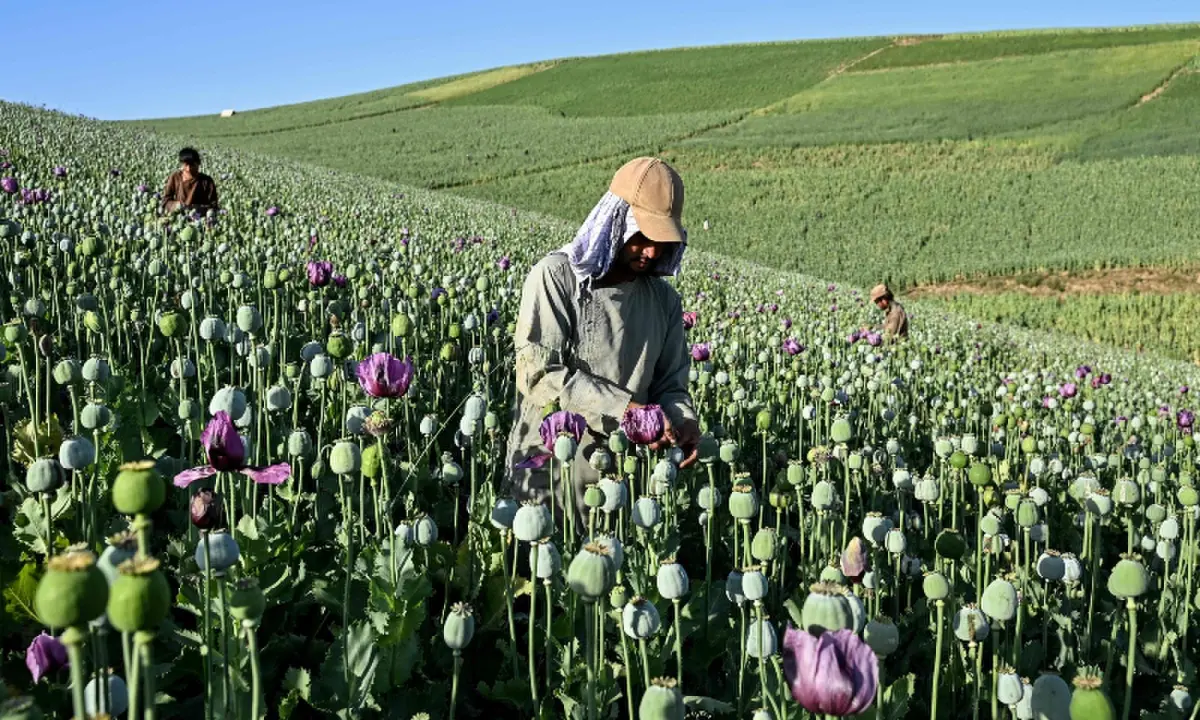
Photo via Al Jazeera
Afghan farmers pushed to opium farming to make a living
Afghan farmers pushed to opium farming to make a living. (2026, October 29). Al Jazeera. https://www.aljazeera.com/video/newsfeed/2026/10/29/title-afghan-farmers-pushed-to-opium-farming-to-make-a-living?traffic_source=rss
“Afghan farmers pushed to opium farming to make a living.” Al Jazeera, 29 Oct. 2026, https://www.aljazeera.com/video/newsfeed/2026/10/29/title-afghan-farmers-pushed-to-opium-farming-to-make-a-living?traffic_source=rss.
“Afghan farmers pushed to opium farming to make a living.” Al Jazeera, October 29, 2026. https://www.aljazeera.com/video/newsfeed/2026/10/29/title-afghan-farmers-pushed-to-opium-farming-to-make-a-living?traffic_source=rss.
Dated from the outlet's own feed. Check the original for its byline.
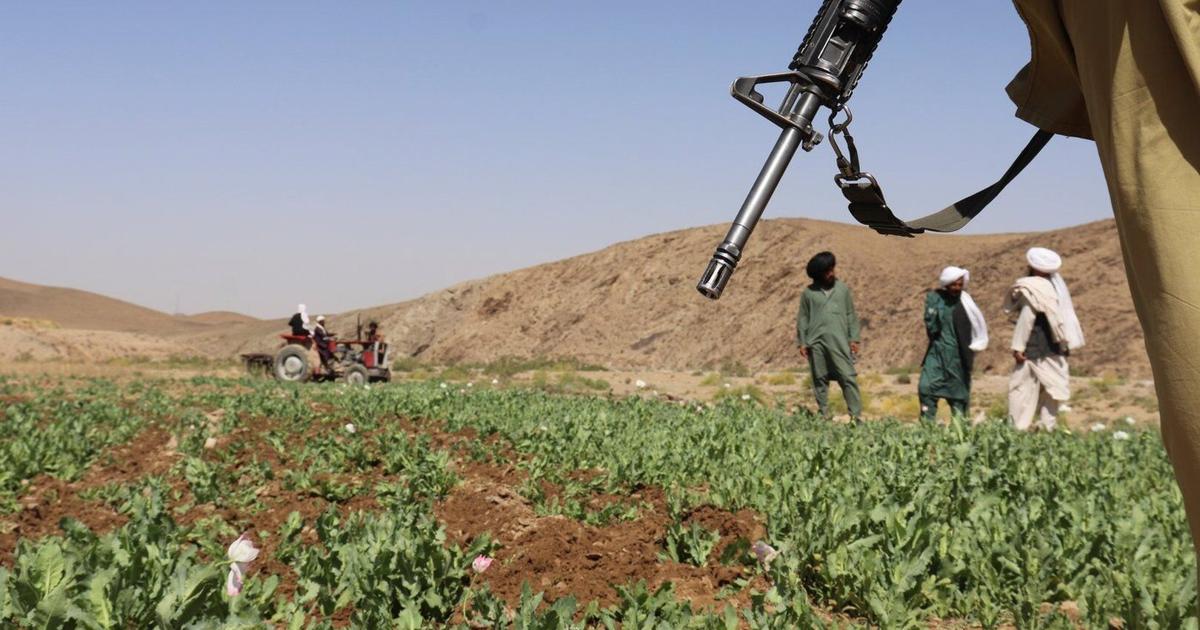
Farmers in Afghanistan are turning to illegal opium farming due to economic hardship and worsening conditions such as drought. They claim that growing legal crops like cotton cannot sustain their families financially, forcing them to violate the government’s ban on opium cultivation.
Written by AI on 2026-10-29,
from this article's own text only (the story summary below draws on all the coverage).
The United Nations Office on Drugs and Crime (UNODC) reported on October 29, 2026, that opium poppy cultivation in Afghanistan more than quadrupled from 10,000 hectares in 2025 to 43,000 hectares in 2026 despite a ban imposed by the Taliban government. Estimated opium production also jumped fivefold from 300 tonnes to 1,500 tonnes over the same period. This surge marks the first significant increase since the Taliban banned narcotics in 2022, which previously reduced cultivation areas from more than 200,000 hectares.
Deepening poverty has driven some farmers back into cultivating opium poppy clandestinely because it is a lucrative crop compared to other less profitable alternatives. Mohammad, a 22-year-old farmer in Afghanistan’s northeast, told AFP that without opium farming, his family cannot even afford basic food. The Taliban authorities claim to have destroyed more than 22,000 hectares of poppy fields but UNODC notes many plots are concealed among cereal crops or behind walls, making them hard to detect.
Written for “Afghanistan Opium Cultivation Surges” on 2026-11-22,
grounded in this article and the 3 other(s) covering the same event.
One AI summary per outlet of its latest article on this story, written from that article alone and checked against it. Open the article for the outlet's own words.
Al JazeeraThis outlet29 Oct
Farmers in Afghanistan are turning to illegal opium farming due to economic hardship and worsening conditions such as drought. They claim that growing legal crops like cotton cannot sustain their families financially, forcing them to violate the government’s ban on opium cultivation.
Afghan farmers pushed to opium farming to make a living (this article)Dawn29 Oct
The United Nations reported a significant increase in opium poppy cultivation in Afghanistan in 2026, with cultivated areas expanding from 10,000 hectares in 2025 to 43,000 hectares. This surge followed the Taliban government's ban on opium production and saw estimated opium production rise fivefold from 300 tonnes to 1,500 tonnes. Despite efforts by the Taliban authorities to destroy poppy fields, many farmers…
On October 29, 2026, the United Nations reported that opium poppy cultivation in Afghanistan surged to 43,000 hectares and production reached 1,500 tonnes in 2026, marking a significant increase from 2025 levels. This growth occurred despite a Taliban government ban aimed at curbing the illicit trade. The UN Office on Drugs and Crime highlighted that impoverished farmers, driven by economic necessity, continue to…
The United Nations Office on Drugs and Crime reported a significant increase in poppy cultivation and opium production in Afghanistan this year, despite the Taliban's ban implemented in 2022. The agency attributes this rise to growing poverty among farmers who are turning to illicit crops as an economic necessity. The UN called for increased international support to assist Afghan farmers in reducing their dependence…
“While both articles discuss opium poppy cultivation in Afghanistan, Article A reports on a UN report about the surge of opium cultivation despite a government ban, while Article B focuses on the reasons Afghan farmers are turning to opium farming for economic survival.”
Afghan farmers pushed to opium farming to make a living
Farmers in Afghanistan say they’re being pushed into poppy seed cultivation to make a living despite a ban, as the economic situation and drought worsens.
asserted
situation → push → ban
Families say that harvesting other crops like cotton does not make enough to feed their children.
asserted
harvesting → say → children
Give feedback · no sign-in needed
No sign-in needed for now. Your note is sent without a name, so it cannot be answered.

 The Aporia